 EN
EN


The packaging industry has witnessed a significant shift toward flexible packaging solutions, with stand up pouches emerging as a dominant alternative to traditional rigid boxes. This transformation is driven by multiple factors including cost efficiency, consumer convenience, and environmental considerations. Manufacturing companies across various sectors are increasingly evaluating the economic implications of switching from conventional box packaging to stand up pouches, seeking to optimize their production costs while maintaining product quality and brand appeal.
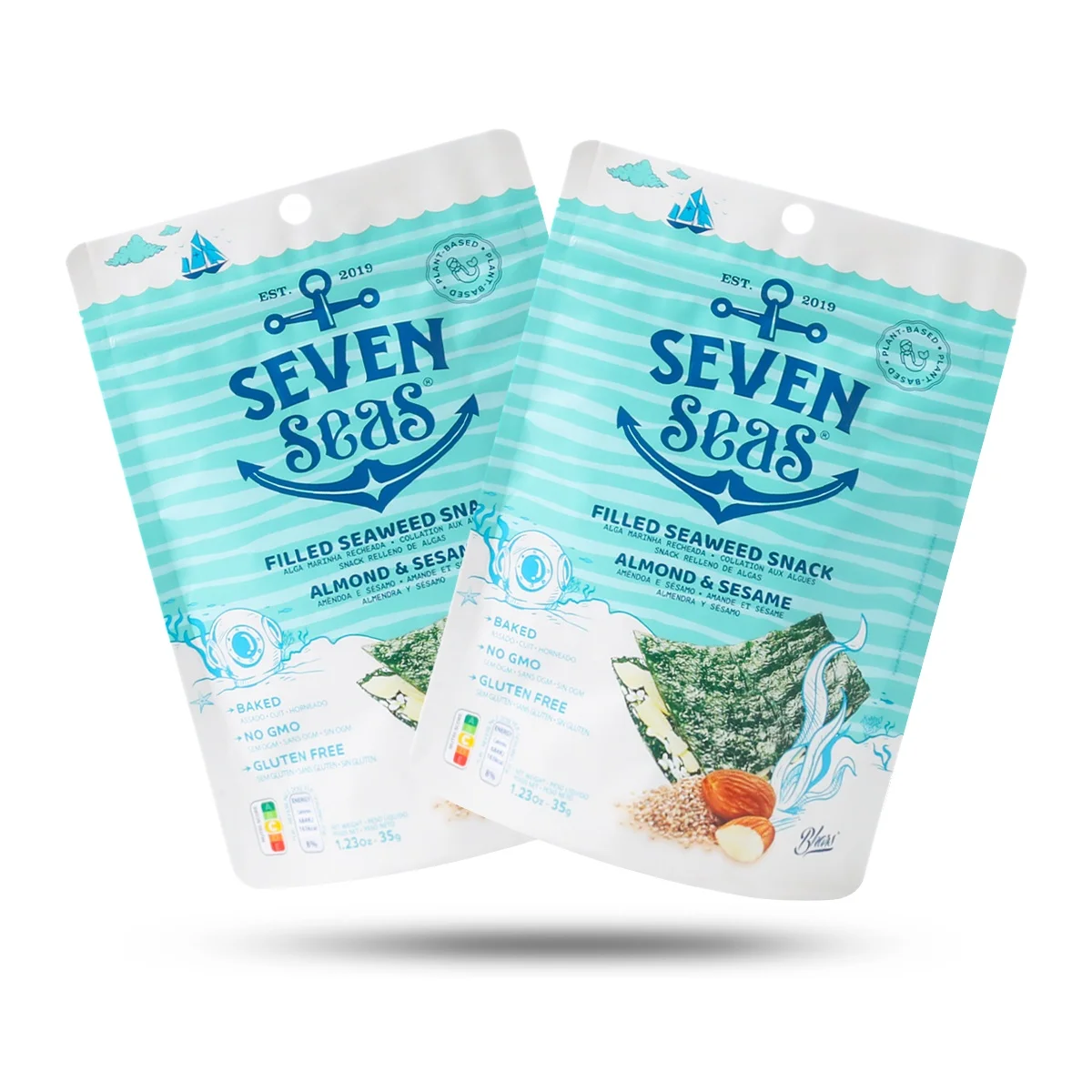
The decision between stand up pouches and traditional boxes involves complex cost considerations that extend beyond initial material expenses. Manufacturers must analyze various cost components including raw materials, production processes, storage requirements, transportation costs, and end-of-life disposal expenses. Stand up pouches typically require fewer raw materials per unit compared to rigid boxes, as they utilize thin flexible films rather than thick cardboard or plastic materials. This fundamental difference in material usage creates substantial cost savings that compound across large production volumes.
Production efficiency represents another crucial factor in cost analysis, as stand up pouches can be manufactured using high-speed filling and sealing equipment that operates significantly faster than traditional box assembly lines. The streamlined production process for flexible packaging reduces labor costs and increases throughput, enabling manufacturers to achieve higher production volumes with lower operational overhead. Additionally, the reduced weight and compact nature of stand up pouches before filling allows for more efficient inventory management and reduced storage costs compared to bulky pre-formed boxes.
Material Cost Comparison Analysis
Raw Material Expenses
The material cost differential between stand up pouches and traditional boxes varies significantly depending on the specific application and quality requirements. Stand up pouches typically utilize multi-layer films combining materials such as polyethylene, polypropylene, aluminum foil, and various barrier coatings to achieve desired protection properties. The total material cost per unit for stand up pouches generally ranges from 30% to 60% lower than equivalent rigid boxes, primarily due to the reduced material thickness and weight requirements.
Traditional boxes require substantially more raw materials, including cardboard substrates, adhesives, coatings, and printing inks applied across larger surface areas. The structural requirements for maintaining box integrity during shipping and handling necessitate thicker materials and additional reinforcement elements. These requirements translate to higher per-unit material costs that become increasingly significant as production volumes scale upward. Furthermore, the sourcing and procurement of box materials often involves longer lead times and higher minimum order quantities compared to flexible packaging films.
Quality specifications also impact material costs, as premium stand up pouches may incorporate advanced barrier films or specialized functional coatings that increase material expenses. However, even high-end flexible packaging solutions typically maintain cost advantages over equivalent premium box packaging due to the fundamental efficiency of material utilization in flexible formats. The ability to achieve equivalent or superior protection properties using less material represents a core economic advantage of stand up pouches in most applications.
Manufacturing Process Costs
The manufacturing process for stand up pouches involves fewer steps and requires less complex equipment compared to traditional box production. Flexible packaging can be produced using rotogravure or flexographic printing followed by lamination and converting processes that operate at high speeds with minimal waste generation. The continuous roll-to-roll production process eliminates many of the handling and assembly steps required for box manufacturing, resulting in lower labor costs and reduced production time per unit.
Traditional box manufacturing involves multiple stages including sheet cutting, printing, die-cutting, folding, and gluing processes that require precise coordination and quality control at each step. The discrete nature of box production creates natural bottlenecks and requires more sophisticated inventory management systems to coordinate component availability. Additionally, box manufacturing typically generates higher waste percentages due to trimming requirements and setup waste during printing and die-cutting operations.
Energy consumption during manufacturing also favors stand up pouches, as flexible packaging production requires less energy for material processing and forming compared to rigid box manufacturing. The lower temperature requirements for sealing flexible materials and the reduced mechanical energy needed for forming processes contribute to lower overall manufacturing costs. These energy savings become particularly significant in high-volume production environments where utility costs represent a substantial portion of total manufacturing expenses.
Storage and Transportation Economics
Warehouse Storage Efficiency
Storage costs represent a significant ongoing expense that strongly favors stand up pouches over traditional boxes in most applications. Unfilled flexible packaging requires minimal storage space as pouches can be stored flat and stacked efficiently, typically occupying less than 10% of the space required for equivalent empty boxes. This space efficiency translates to reduced warehouse rental costs, lower inventory carrying costs, and improved cash flow management through reduced working capital requirements.
The compact storage characteristics of stand up pouches enable manufacturers to maintain larger inventory buffers without proportional increases in storage costs. This inventory flexibility provides strategic advantages in managing supply chain disruptions and seasonal demand fluctuations while minimizing associated carrying costs. Additionally, the reduced handling requirements for flexible packaging storage decrease labor costs and minimize damage risks during warehouse operations.
Climate control requirements may also differ between storage options, as some stand up pouches require controlled temperature and humidity conditions to maintain seal integrity and barrier properties. However, these environmental control costs are typically offset by the dramatic space savings achieved through efficient stacking and storage density. The overall storage cost advantage of flexible packaging becomes more pronounced as storage duration increases and facility costs escalate.
Transportation Cost Benefits
Transportation represents another area where stand up pouches demonstrate clear cost advantages over traditional boxes. The lighter weight of flexible packaging materials reduces shipping costs across all transportation modes, with weight savings typically ranging from 40% to 80% compared to equivalent rigid packaging. These weight reductions translate directly to lower freight costs, particularly important for long-distance shipping and international transportation where costs are calculated based on weight and dimensional factors.
The improved packaging density achieved with stand up pouches allows for more efficient utilization of shipping container and truck trailer space. Products packaged in flexible formats can often achieve 20% to 40% better space utilization compared to boxed products, reducing the number of shipments required and associated transportation costs. This efficiency improvement becomes particularly valuable for lightweight products where shipping costs represent a significant portion of total product costs.
Damage rates during transportation also tend to be lower for products packaged in stand up pouches due to the inherent flexibility and impact resistance of the packaging format. Reduced damage rates decrease replacement costs, insurance premiums, and customer satisfaction issues that can impact long-term profitability. The combination of lower shipping costs and reduced damage rates creates compound savings that improve overall supply chain economics.
Production Volume Considerations
Economies of Scale Effects
The cost advantages of stand up pouches become more pronounced as production volumes increase due to favorable economies of scale in flexible packaging manufacturing. High-volume production runs enable manufacturers to optimize setup costs across larger quantities, reducing per-unit overhead expenses. The continuous production processes used for flexible packaging are particularly well-suited to high-volume manufacturing, as they maintain consistent quality and efficiency levels across extended production runs.
Minimum order quantities for stand up pouches are typically lower than those required for custom box manufacturing, providing greater flexibility for companies managing diverse product lines or seasonal demand patterns. This flexibility enables manufacturers to optimize inventory levels and reduce obsolescence risks while maintaining cost-effective production economics. The ability to produce smaller batch sizes economically also supports product line diversification and market testing initiatives that might be cost-prohibitive with traditional packaging formats.
Investment requirements for flexible packaging equipment are often lower than those needed for comprehensive box manufacturing capabilities, particularly when considering the full range of equipment needed for printing, die-cutting, folding, and gluing operations. The modular nature of flexible packaging equipment also enables incremental capacity expansion that aligns with business growth patterns, reducing capital investment risks and improving return on investment metrics.
Break-Even Analysis Factors
Determining the break-even point for switching from traditional boxes to stand up pouches requires careful analysis of both fixed and variable cost components. Initial conversion costs may include equipment modifications, employee training, supplier qualification, and inventory transition expenses that must be amortized over projected production volumes. However, the ongoing operational savings from flexible packaging typically enable relatively short payback periods for most applications.
Variable cost savings from stand up pouches compound over time, as the per-unit advantages in materials, labor, and transportation accumulate across production volumes. Companies with annual packaging volumes exceeding several million units typically achieve break-even within 12 to 18 months of conversion, while higher-volume manufacturers may realize returns in as little as 6 to 12 months. These payback periods assume stable raw material pricing and consistent production volumes throughout the analysis period.
Market factors such as consumer preferences, retail requirements, and competitive positioning also influence break-even calculations, as packaging format changes may impact sales volumes and pricing strategies. Companies must consider potential revenue impacts alongside cost savings to develop comprehensive economic models that accurately reflect the total business impact of packaging format decisions. The increasing consumer preference for convenient and sustainable packaging formats generally supports positive revenue impacts from conversion to stand up pouches.
Environmental Cost Implications
Sustainability Economics
Environmental considerations increasingly influence packaging cost analysis as companies face growing pressure to reduce their carbon footprint and demonstrate sustainable business practices. Stand up pouches typically require 70% to 90% less material by weight compared to equivalent rigid boxes, resulting in significantly lower environmental impact across the entire lifecycle. This material efficiency translates to reduced raw material extraction, lower manufacturing energy consumption, and decreased transportation-related emissions.
The carbon footprint analysis for stand up pouches consistently demonstrates advantages over traditional boxes across most impact categories including greenhouse gas emissions, water usage, and waste generation. These environmental benefits are becoming increasingly valuable as companies face carbon pricing mechanisms, sustainability reporting requirements, and consumer demand for environmentally responsible packaging solutions. The quantifiable environmental advantages of flexible packaging support corporate sustainability goals while providing measurable cost benefits.
Waste disposal costs also favor stand up pouches due to their reduced volume and weight compared to rigid packaging waste. Many flexible packaging materials are compatible with existing recycling infrastructure, and emerging chemical recycling technologies are expanding end-of-life options for multi-layer flexible materials. The reduced waste stream volume decreases disposal costs and may qualify companies for waste reduction incentives or credits in some jurisdictions.
Regulatory Compliance Costs
Regulatory compliance requirements vary significantly between packaging formats and geographic markets, with potential cost implications for both material selection and operational procedures. Stand up pouches may require specific barrier properties or migration testing to meet food safety regulations, while traditional boxes might face restrictions on certain adhesives or printing inks. Understanding and budgeting for regulatory compliance costs is essential for accurate economic comparison between packaging options.
Extended producer responsibility programs in various markets are increasingly requiring packaging manufacturers to contribute to recycling and waste management costs based on the volume and type of packaging materials used. These regulatory costs typically favor lighter-weight packaging formats like stand up pouches, as contribution requirements are often calculated based on material weight or volume metrics. Companies operating in multiple markets must consider varying regulatory frameworks when evaluating packaging cost implications.
Future regulatory trends suggest increasing focus on packaging sustainability and waste reduction, potentially creating additional cost advantages for flexible packaging formats. Proposed regulations targeting single-use packaging and waste reduction goals are likely to favor packaging formats that minimize material usage and environmental impact. Companies investing in stand up pouches may benefit from regulatory alignment that supports long-term cost competitiveness and market acceptance.
Quality and Performance Cost Factors
Barrier Property Economics
The barrier properties required for product protection significantly influence the relative costs between stand up pouches and traditional boxes. Advanced barrier films used in flexible packaging can provide superior protection against moisture, oxygen, light, and other environmental factors compared to basic cardboard boxes. However, achieving equivalent barrier performance may require specialized film constructions that increase material costs compared to standard flexible packaging options.
Traditional boxes often require additional barrier treatments such as interior linings, moisture barriers, or specialized coatings to achieve adequate product protection. These additional components increase material costs and manufacturing complexity while potentially compromising recyclability. Stand up pouches can integrate multiple barrier functions within a single laminated structure, often achieving superior protection at lower total material costs.
The performance requirements for specific applications may favor one packaging format over another, with cost implications that extend beyond basic material expenses. Products requiring exceptional barrier protection may justify premium costs for either packaging format, while applications with minimal protection requirements can utilize basic materials that emphasize cost efficiency over advanced performance characteristics.
Shelf Life and Product Quality Impacts
Packaging format selection directly impacts product shelf life and quality retention, with economic implications that extend throughout the supply chain and affect total cost of ownership. Stand up pouches with appropriate barrier properties often provide superior product protection compared to traditional boxes, potentially extending shelf life and reducing product losses due to spoilage or quality degradation. These quality benefits translate to reduced inventory losses, fewer customer complaints, and improved brand reputation.
The hermetic sealing capabilities of flexible packaging can eliminate or reduce the need for additional preservation methods such as desiccants, oxygen absorbers, or modified atmosphere packaging that add costs to traditional box packaging. Stand up pouches can incorporate these protective features directly into the package structure, simplifying the packaging process while potentially improving product protection and reducing total packaging costs.
Quality consistency across production runs may also differ between packaging formats, with implications for waste rates and customer satisfaction. The automated sealing processes used for stand up pouches typically provide more consistent seal quality compared to manual or semi-automated box assembly processes, reducing the risk of package failures and associated product losses. Improved quality consistency supports better inventory management and reduces costs associated with quality control and customer returns.
FAQ
What are the typical cost savings when switching from boxes to stand up pouches
Cost savings typically range from 15% to 45% of total packaging costs when switching from traditional boxes to stand up pouches, depending on the specific application and production volumes. The primary savings come from reduced material usage, lower transportation costs due to weight reduction, and improved storage efficiency. Higher-volume manufacturers generally achieve greater percentage savings due to economies of scale in flexible packaging production.
How do minimum order quantities compare between the two packaging formats
Stand up pouches typically have lower minimum order quantities compared to custom boxes, often requiring 10,000 to 50,000 units for custom printing versus 25,000 to 100,000 units for custom box designs. This difference provides greater flexibility for product line management and seasonal demand patterns. The lower minimums also reduce inventory carrying costs and enable more frequent design updates or product variations without excessive inventory commitments.
What factors should be considered when calculating the total cost of ownership
Total cost of ownership analysis should include material costs, manufacturing expenses, storage and handling costs, transportation expenses, waste disposal fees, and potential product loss rates. Additional considerations include equipment investment requirements, labor costs, quality control expenses, and regulatory compliance costs. Environmental impact costs and future regulatory trends should also be factored into long-term economic projections for comprehensive decision-making.
How do setup and changeover costs differ between packaging formats
Setup costs for stand up pouches are typically lower and changeovers can be completed faster compared to traditional box packaging lines. Flexible packaging equipment can often accommodate multiple pouch sizes and styles with minimal mechanical adjustments, while box packaging may require different tooling, dies, or equipment configurations for each package size or style. This flexibility reduces downtime costs and enables more responsive production scheduling to meet changing market demands.