candy zipper bags
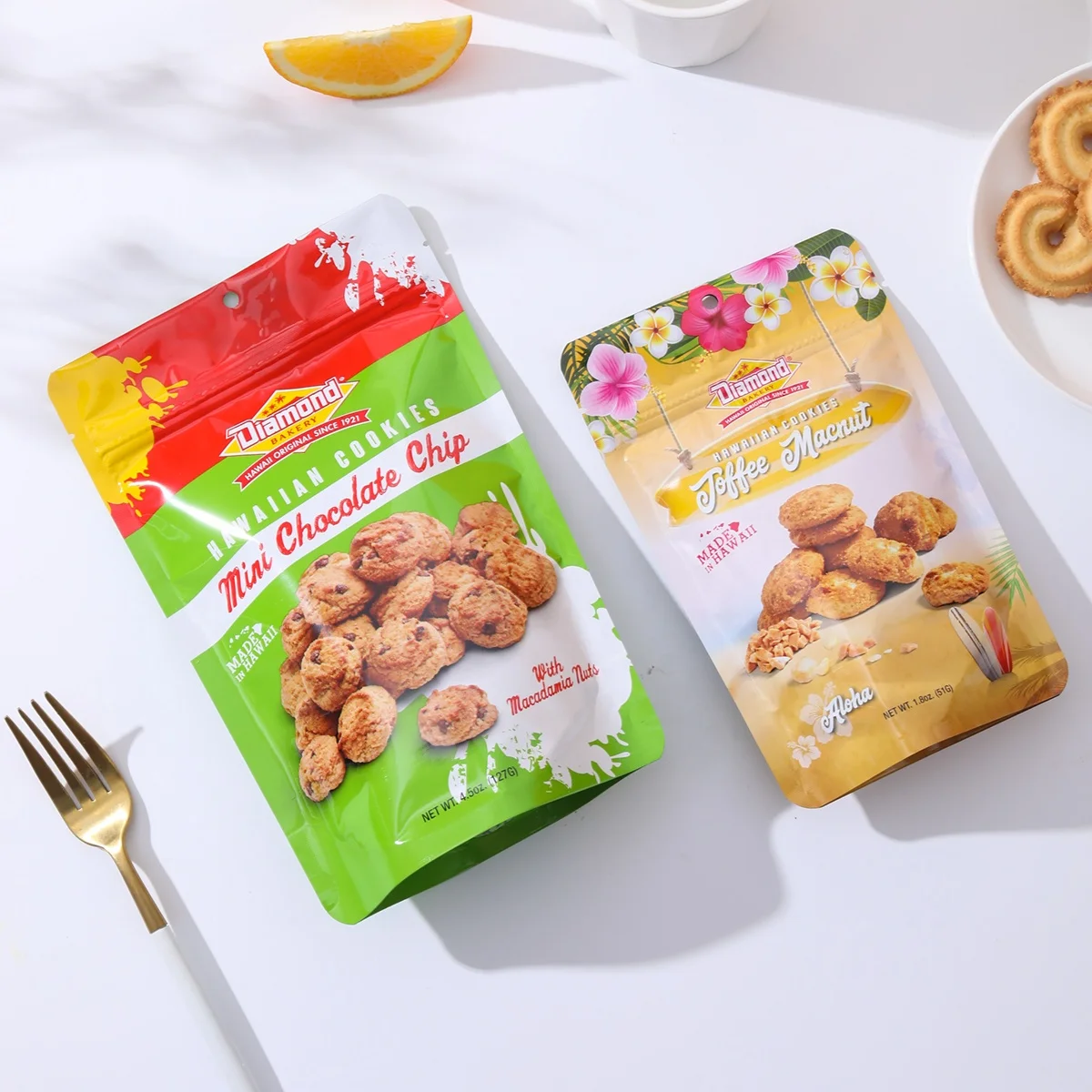
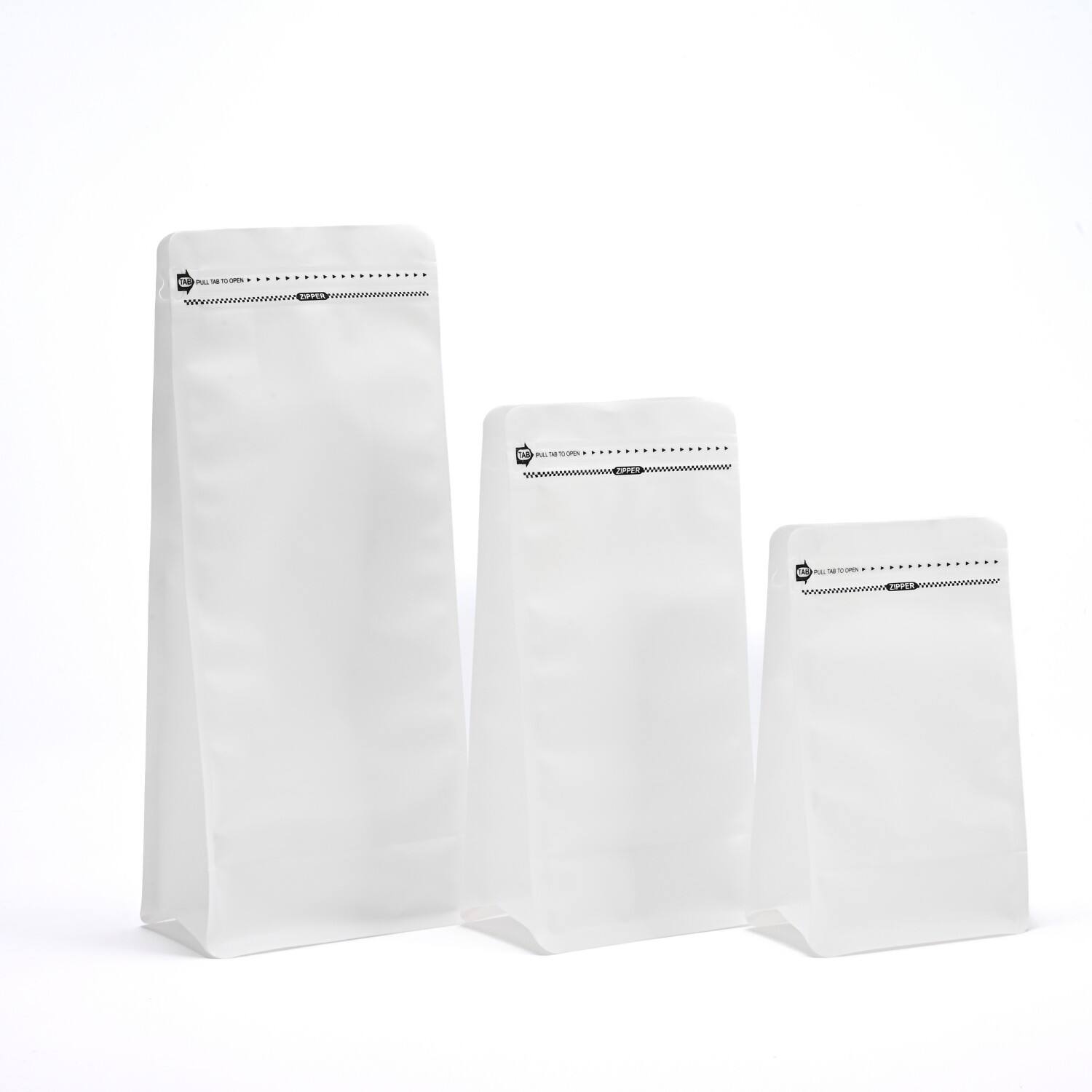
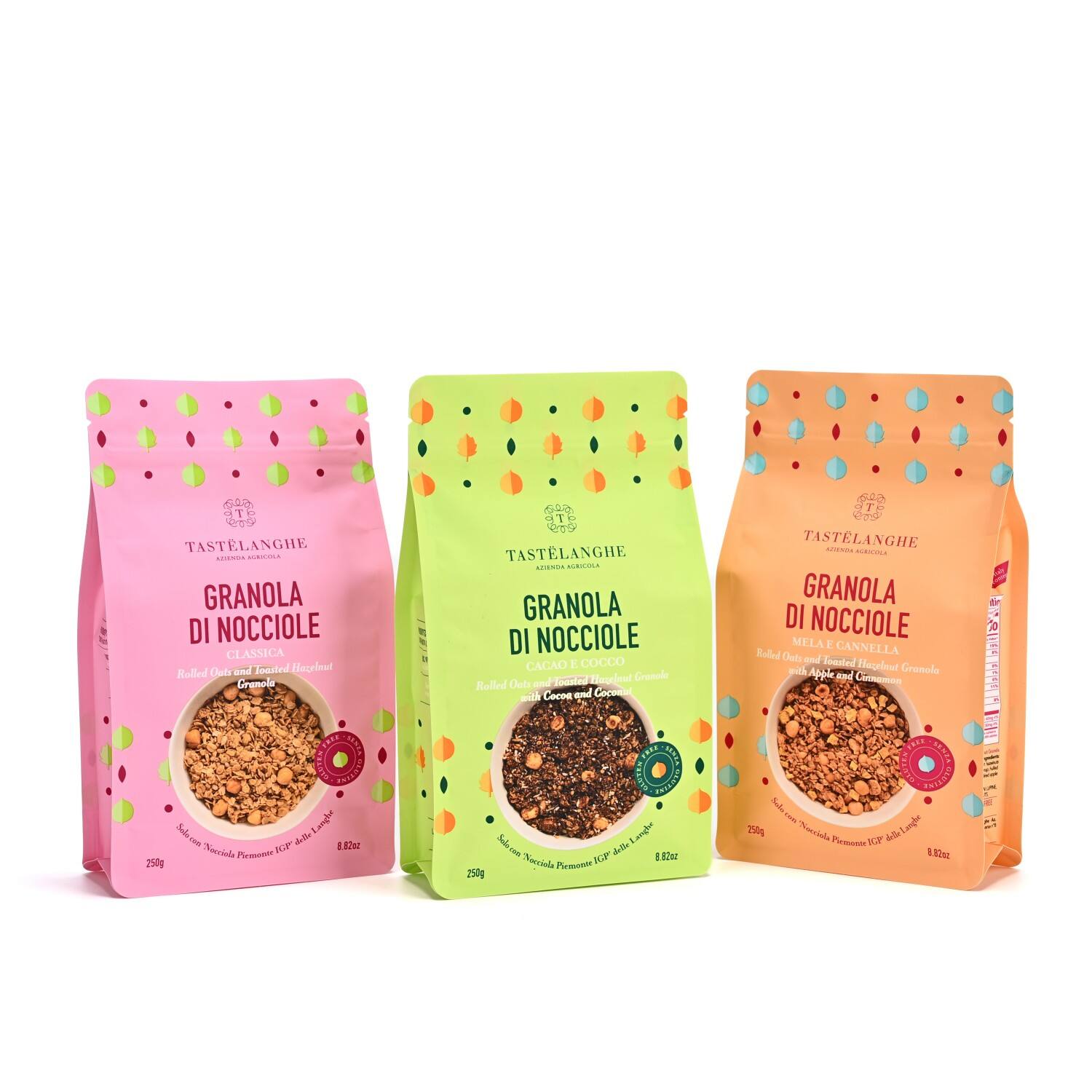
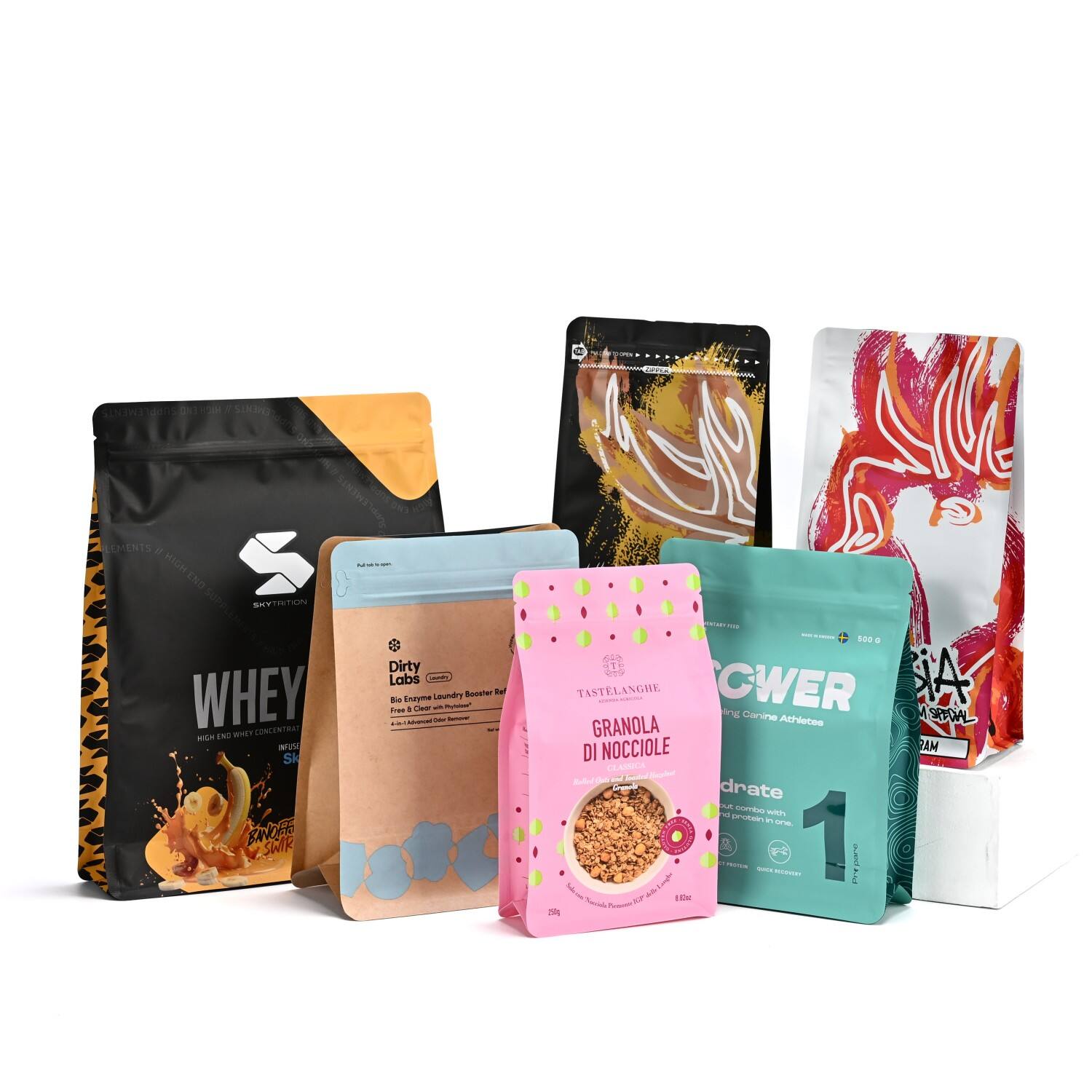
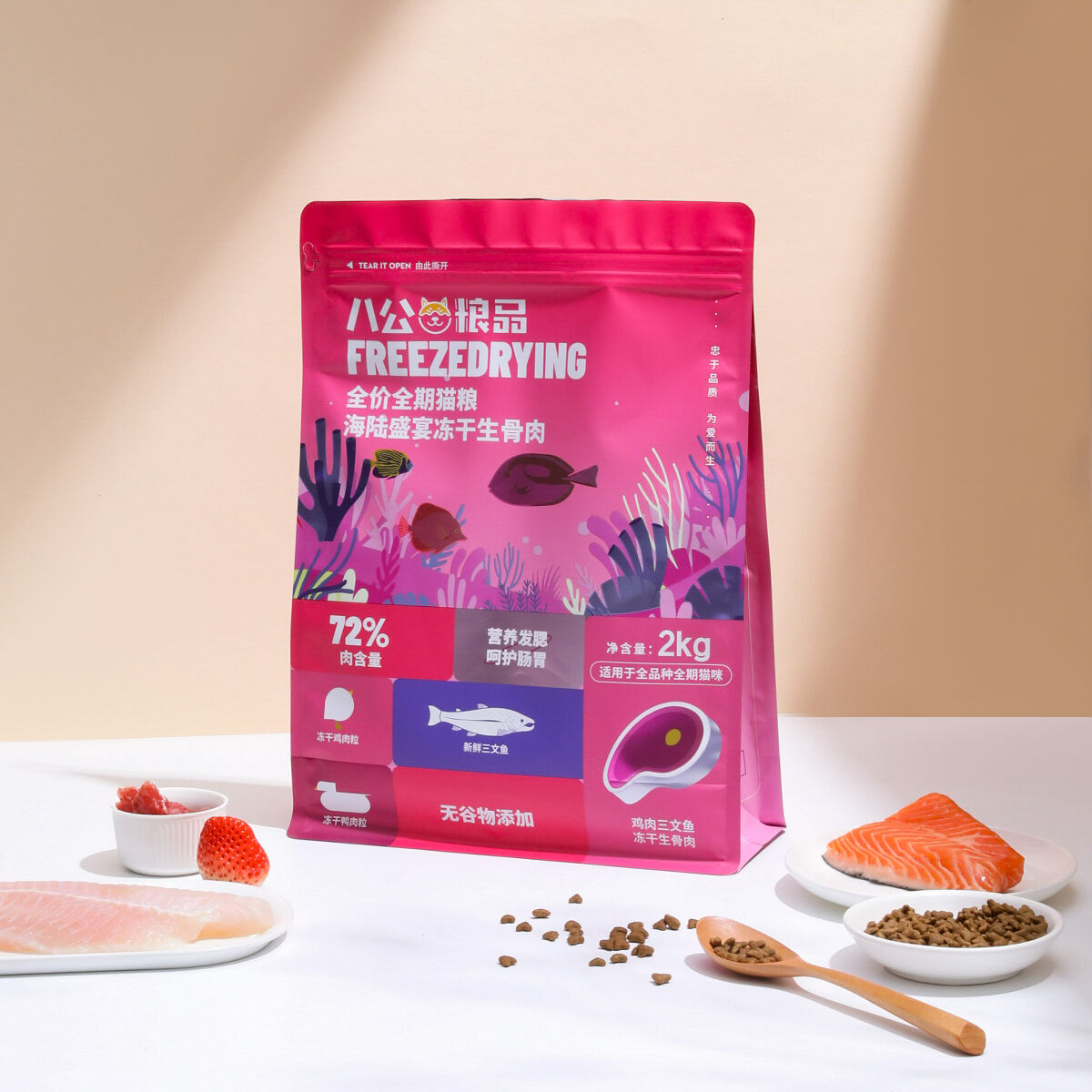
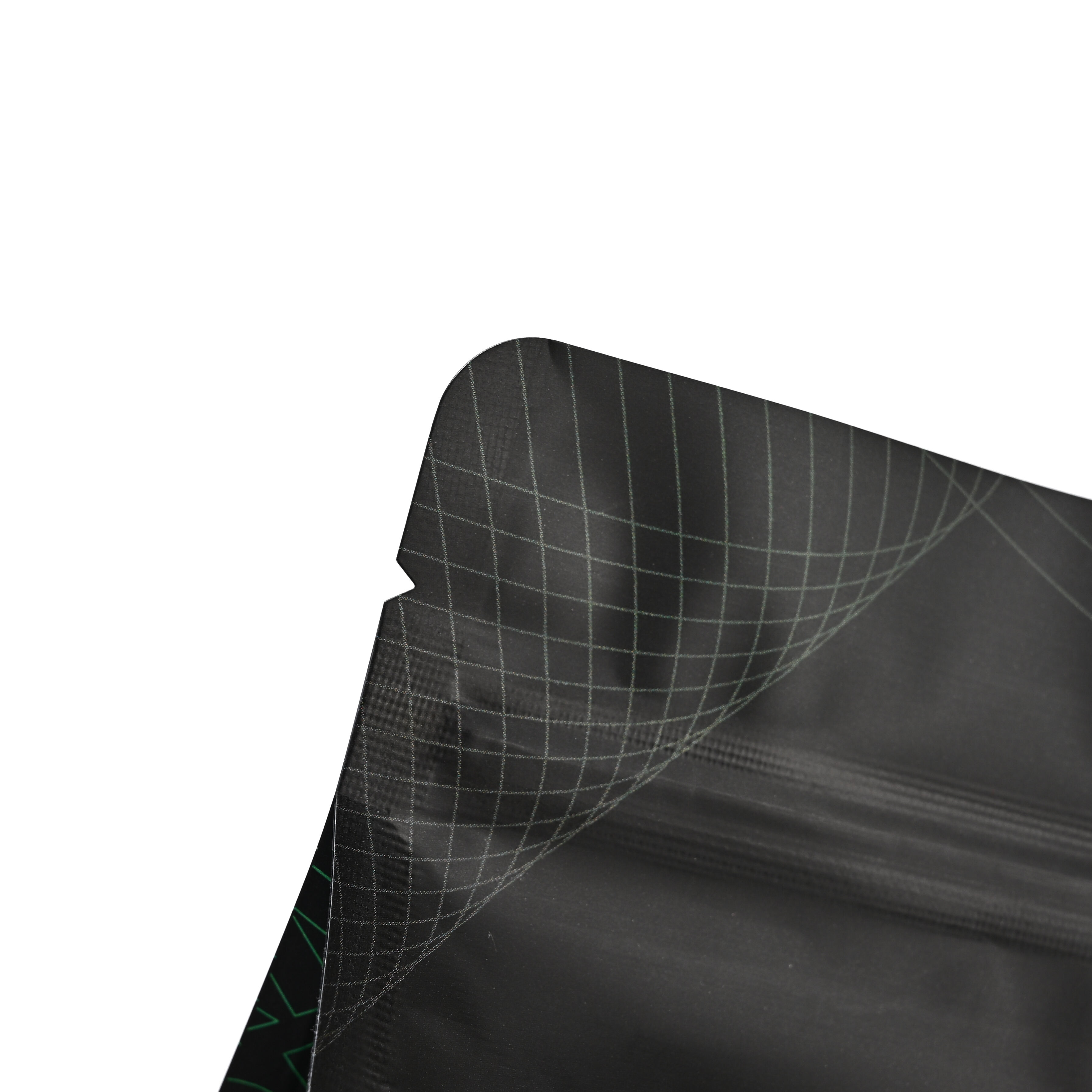
Candy zipper bags represent a revolutionary packaging solution designed specifically for confectionery products, combining functionality with visual appeal to create an optimal storage and display system. These specialized bags feature a robust zipper closure mechanism that ensures airtight sealing, preventing moisture infiltration and maintaining the freshness of candy contents for extended periods. The primary function of candy zipper bags centers on preserving product quality while providing convenient access for consumers and retailers alike. The technological framework incorporates multi-layer barrier films that resist puncturing and tearing, ensuring durability throughout the supply chain process. Advanced sealing technology creates hermetic closures that protect against environmental factors such as humidity, oxygen exposure, and temperature fluctuations that could compromise candy integrity. The application scope of candy zipper bags extends across various confectionery categories, including gummies, hard candies, chocolates, and specialty treats. Manufacturers utilize these bags for both bulk distribution and individual consumer packaging, adapting sizes and specifications to meet diverse market requirements. The transparent nature of most candy zipper bags allows for excellent product visibility, enabling customers to examine contents before purchase while maintaining protective barriers. Printing capabilities on these bags accommodate branding requirements, nutritional information, and regulatory compliance details. The resealable feature distinguishes candy zipper bags from traditional packaging methods, offering consumers the ability to portion control consumption while preserving remaining product freshness. Industrial applications include wholesale distribution where candy zipper bags serve as secondary packaging within larger shipping containers. Retail environments benefit from the stackable design that maximizes shelf space utilization. The lightweight construction reduces shipping costs compared to rigid packaging alternatives while maintaining structural integrity during transport and handling.

 EN
EN