food package supplier
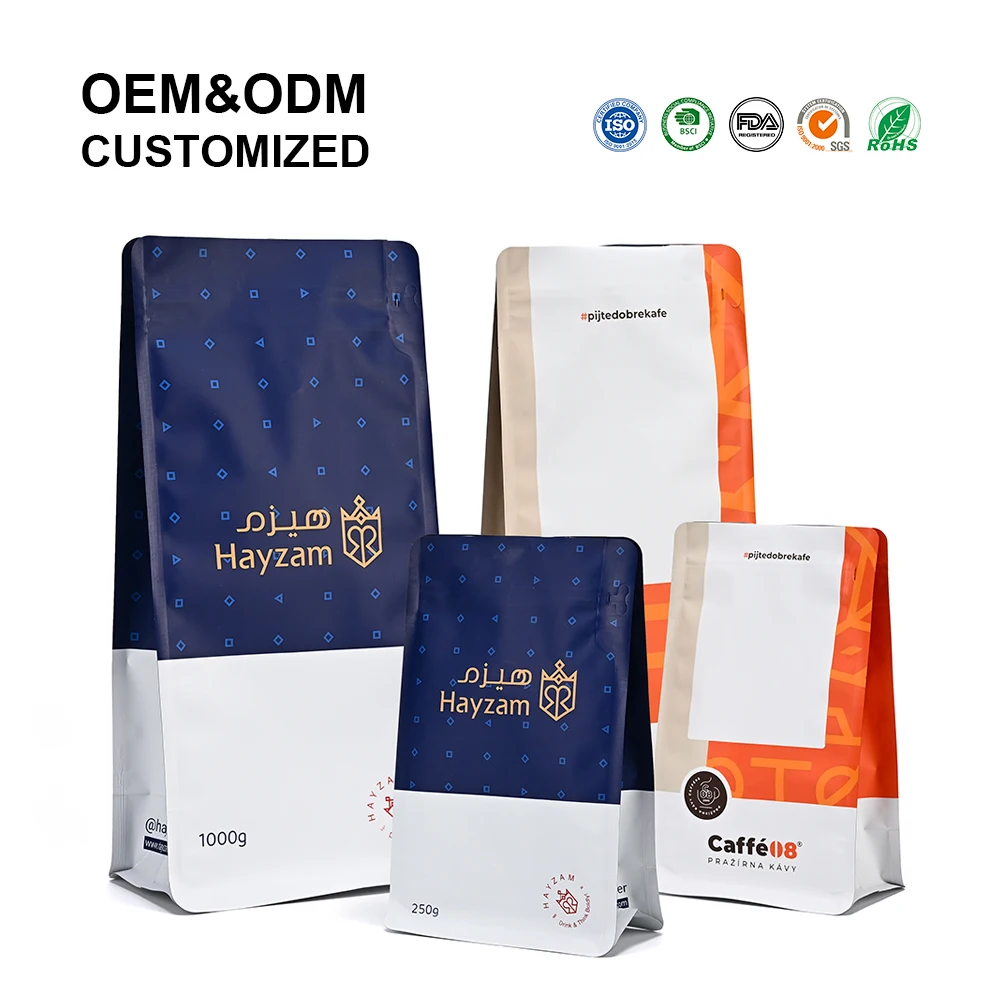
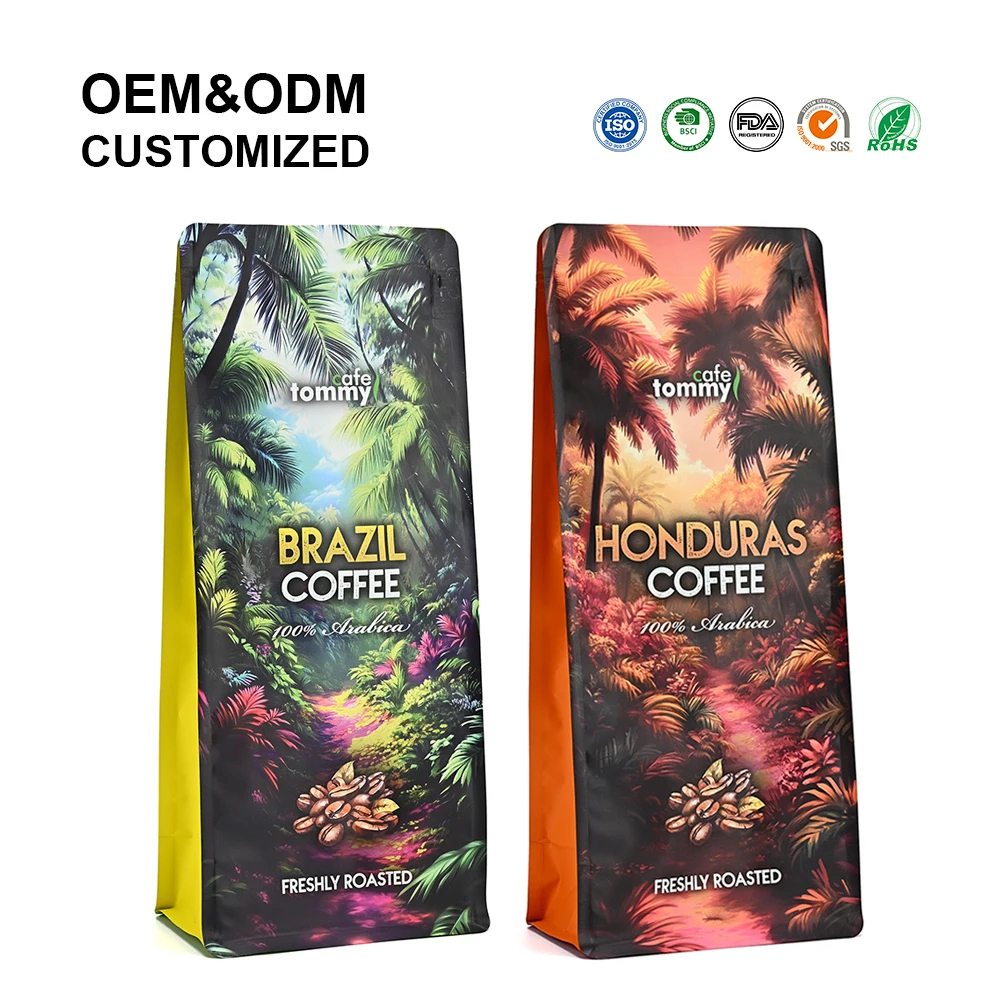
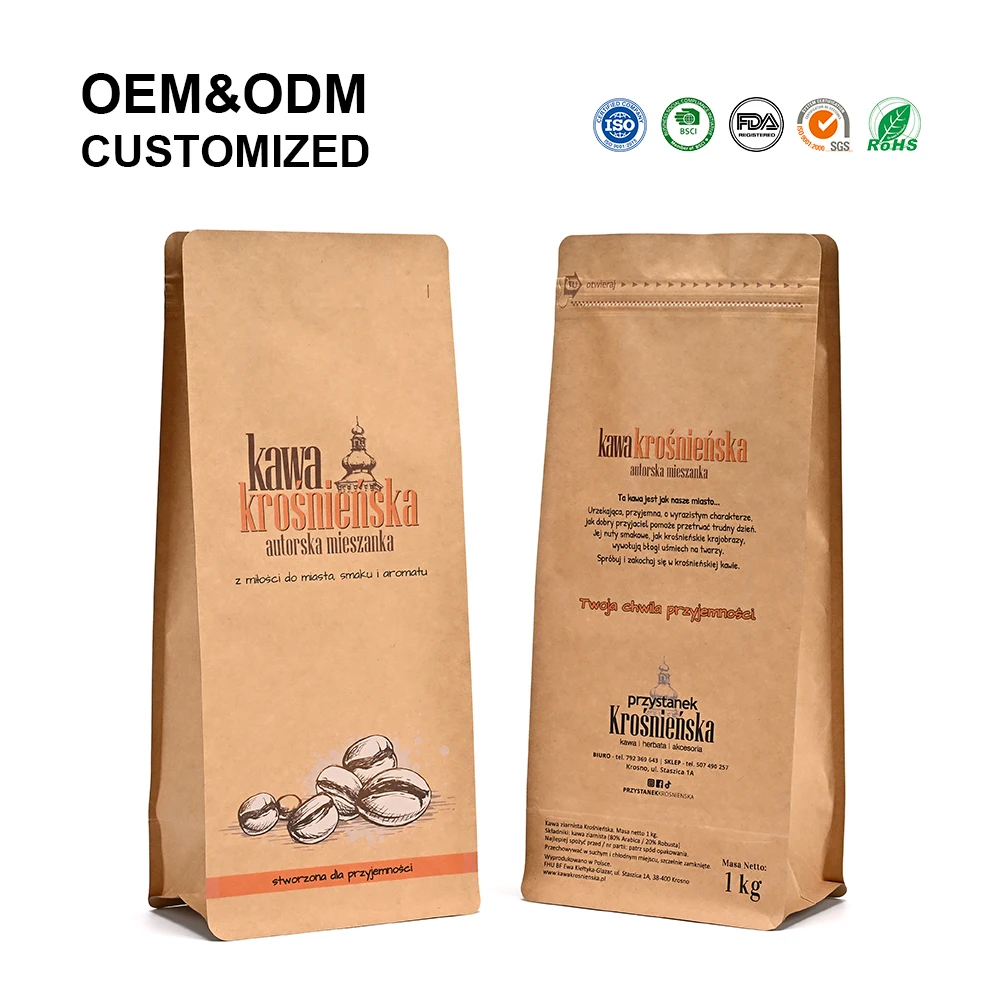
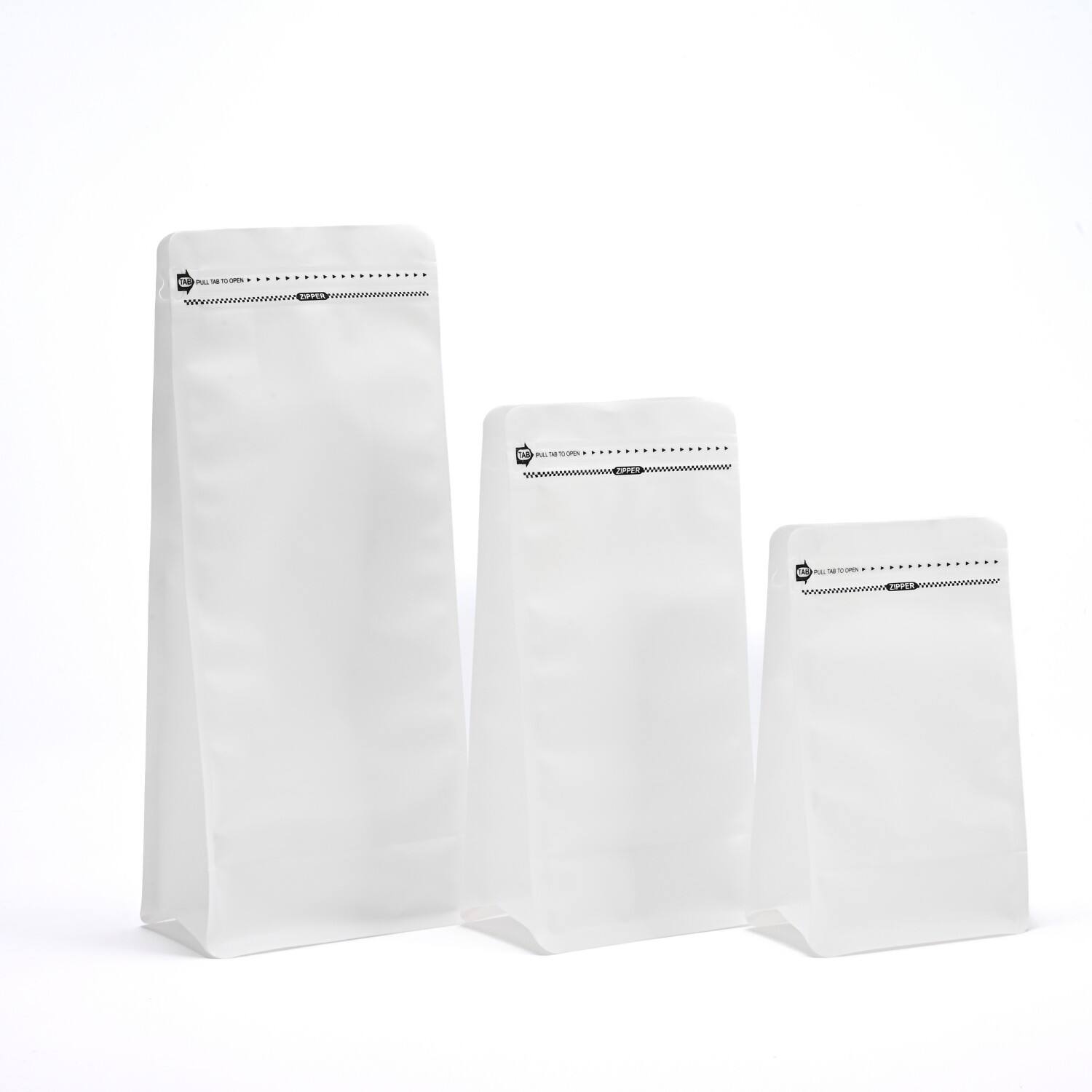
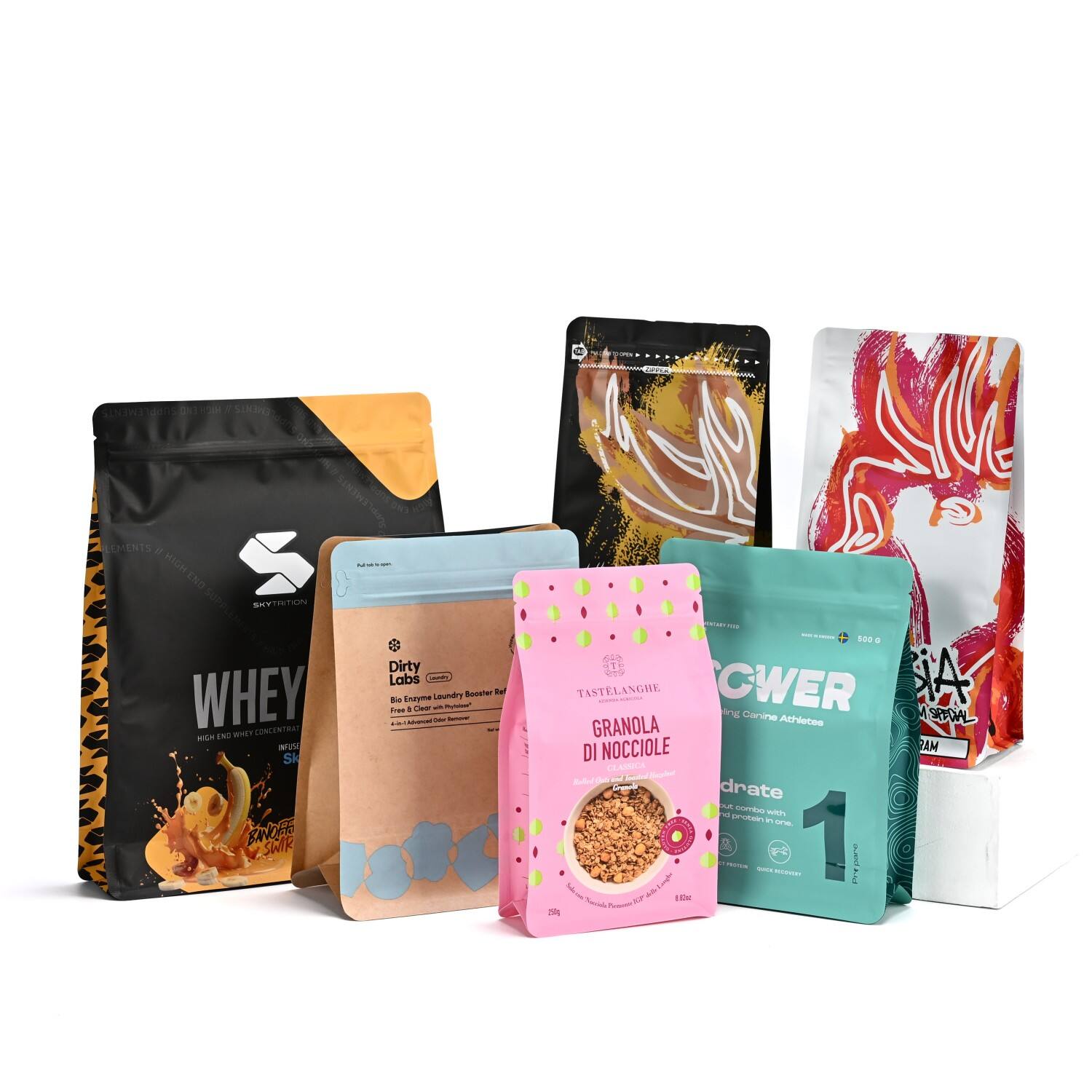
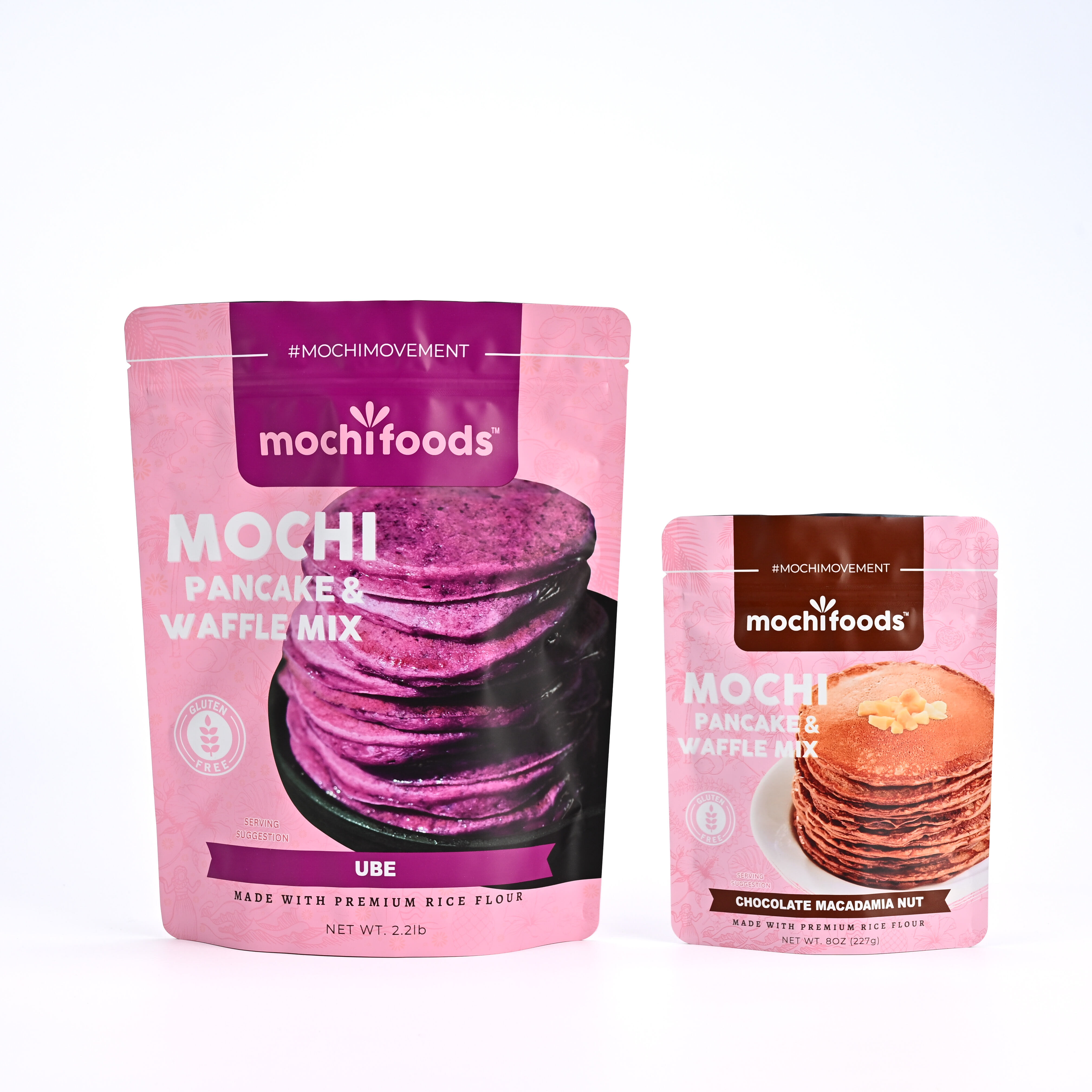
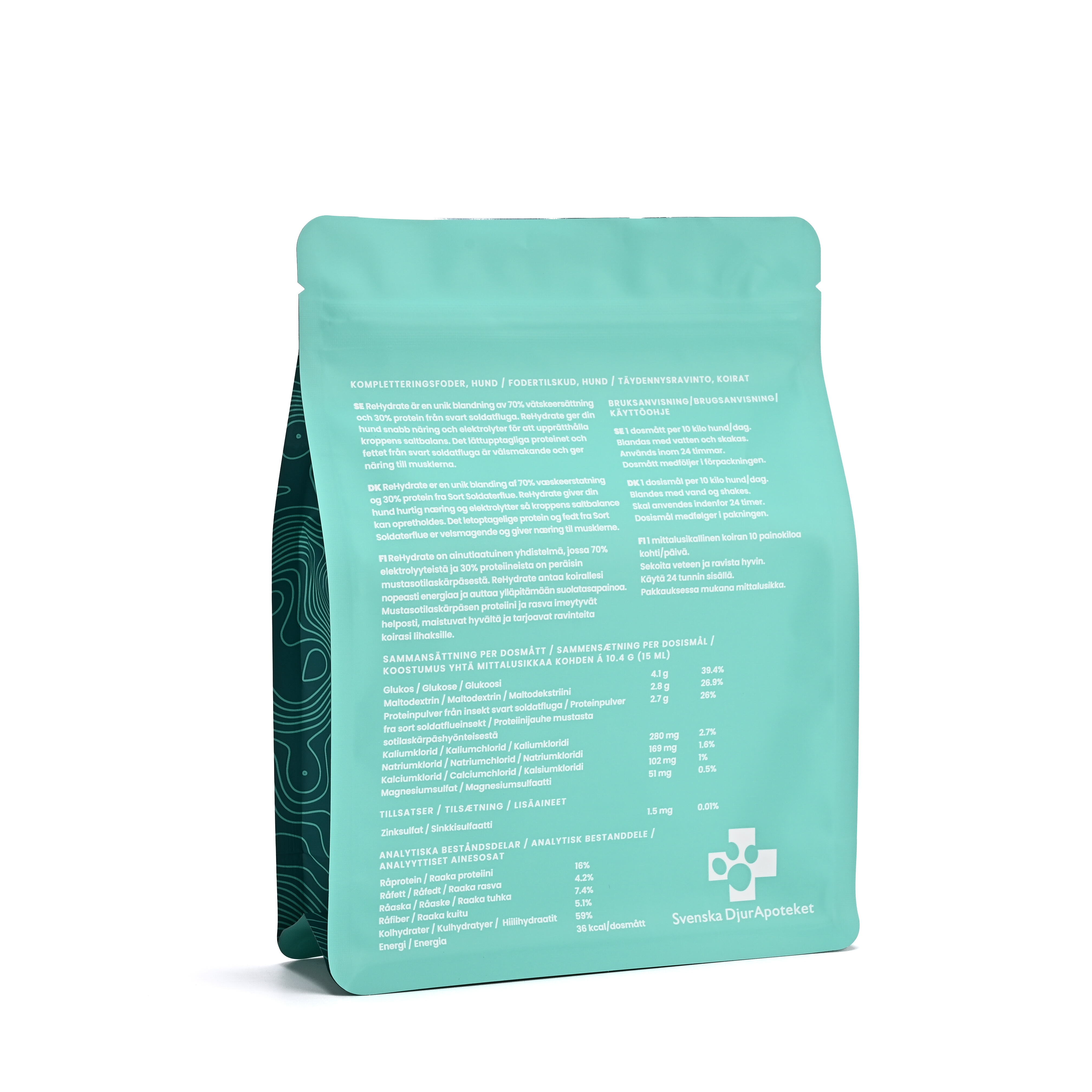
A food package supplier serves as the essential backbone of the modern food industry, providing comprehensive packaging solutions that protect, preserve, and present food products throughout the entire supply chain. These specialized companies manufacture and distribute a vast array of packaging materials, containers, and systems designed specifically for food applications. The primary function of a food package supplier involves creating packaging that maintains product freshness, extends shelf life, and ensures food safety while meeting stringent regulatory requirements. Their role extends beyond simple containment to include brand enhancement, consumer convenience, and environmental sustainability. Modern food package suppliers utilize advanced manufacturing technologies, including blow molding, injection molding, thermoforming, and flexible packaging production. These processes enable the creation of containers ranging from rigid plastic bottles and jars to flexible pouches and films. Technological features include barrier properties that prevent oxygen and moisture infiltration, temperature resistance for hot-fill applications, and tamper-evident closures for consumer protection. Many suppliers incorporate smart packaging technologies such as freshness indicators, QR codes, and RFID tags that enhance product traceability and consumer engagement. Applications span across multiple food categories including beverages, dairy products, ready-to-eat meals, frozen foods, snacks, and fresh produce. The food package supplier industry serves various market segments from small artisanal producers to large multinational corporations, providing customized solutions that meet specific product requirements. Sustainability initiatives have become increasingly important, with suppliers developing recyclable materials, biodegradable options, and lightweight designs that reduce environmental impact. Quality assurance systems ensure compliance with FDA, USDA, and international food safety standards. The integration of automation and Industry 4.0 technologies enables efficient production, real-time monitoring, and predictive maintenance capabilities.


 EN
EN