Advanced Snack Food Package Solutions: Enhanced Protection, Convenience & Sustainability

Contact me immediately if you encounter problems!

All Categories

Get a Free Quote

Our representative will contact you soon.
Email
Name
Company Name
Message
0/1000

snack food package

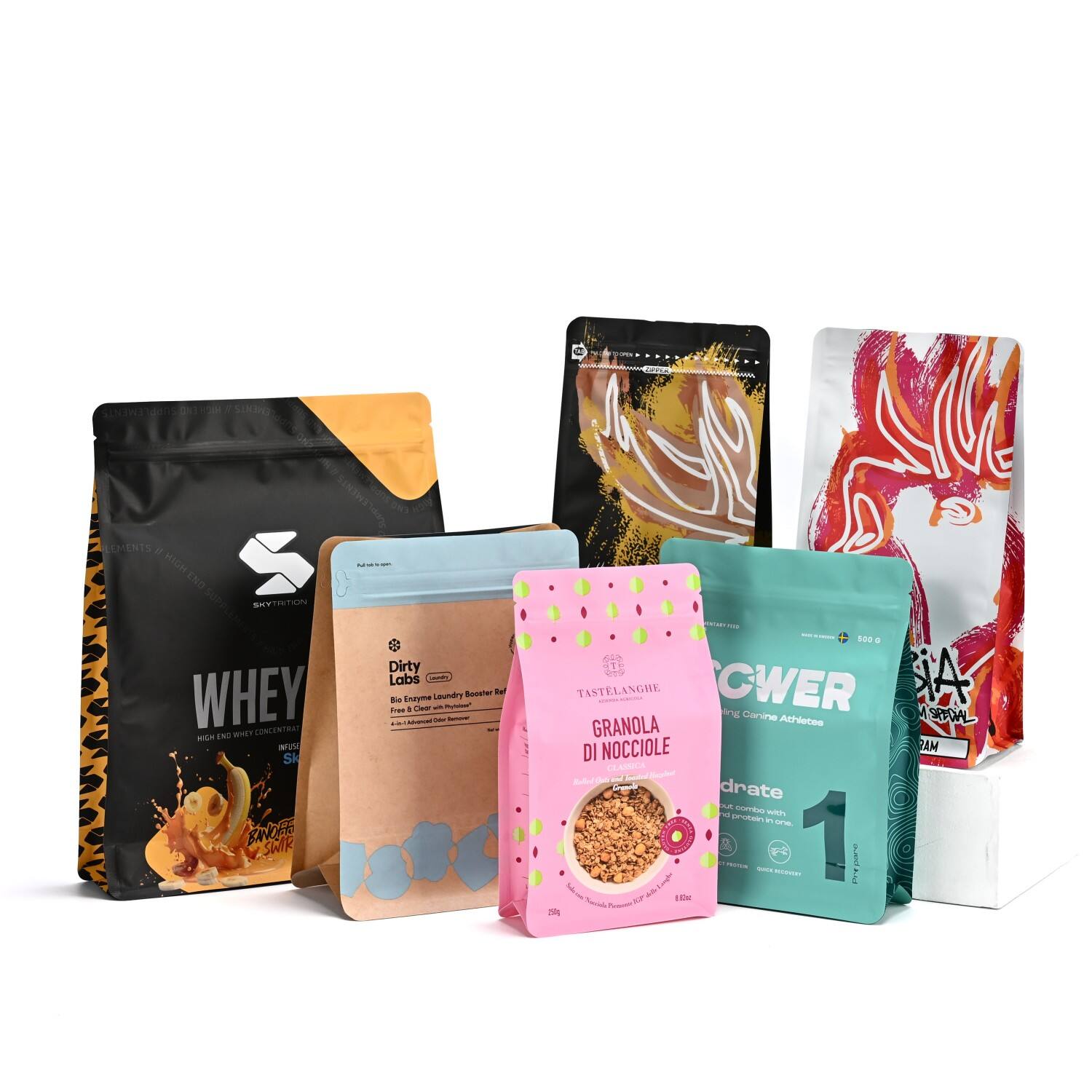
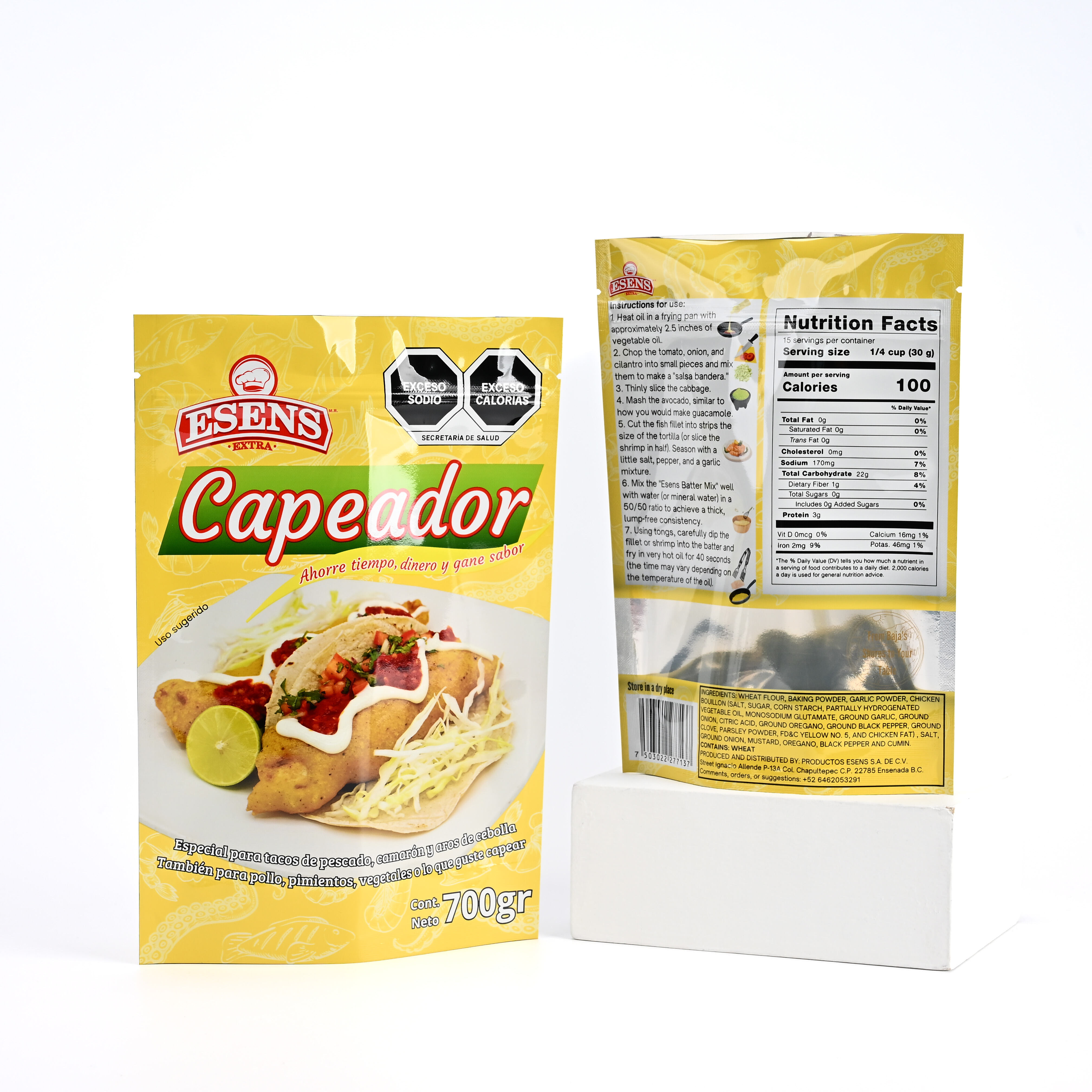
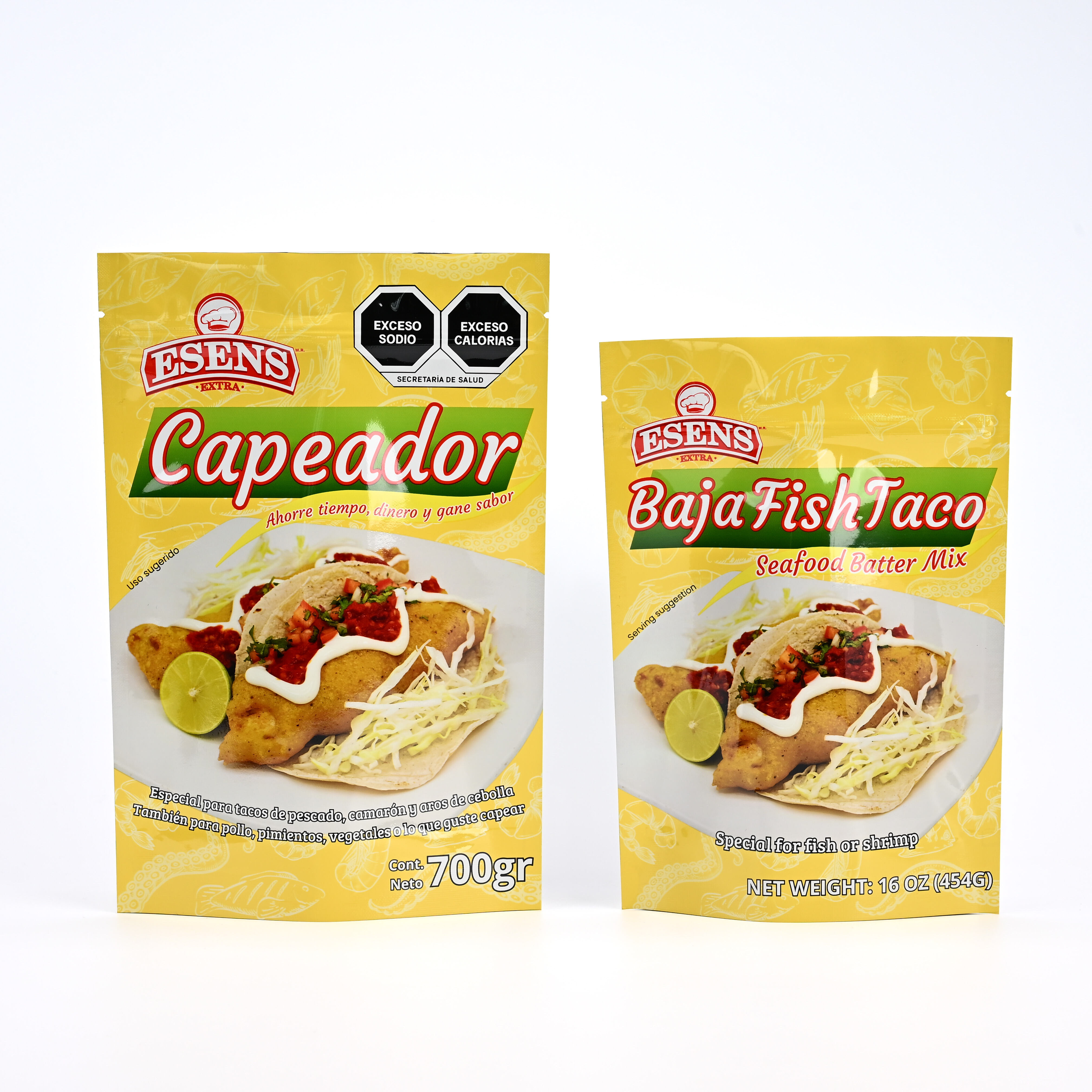
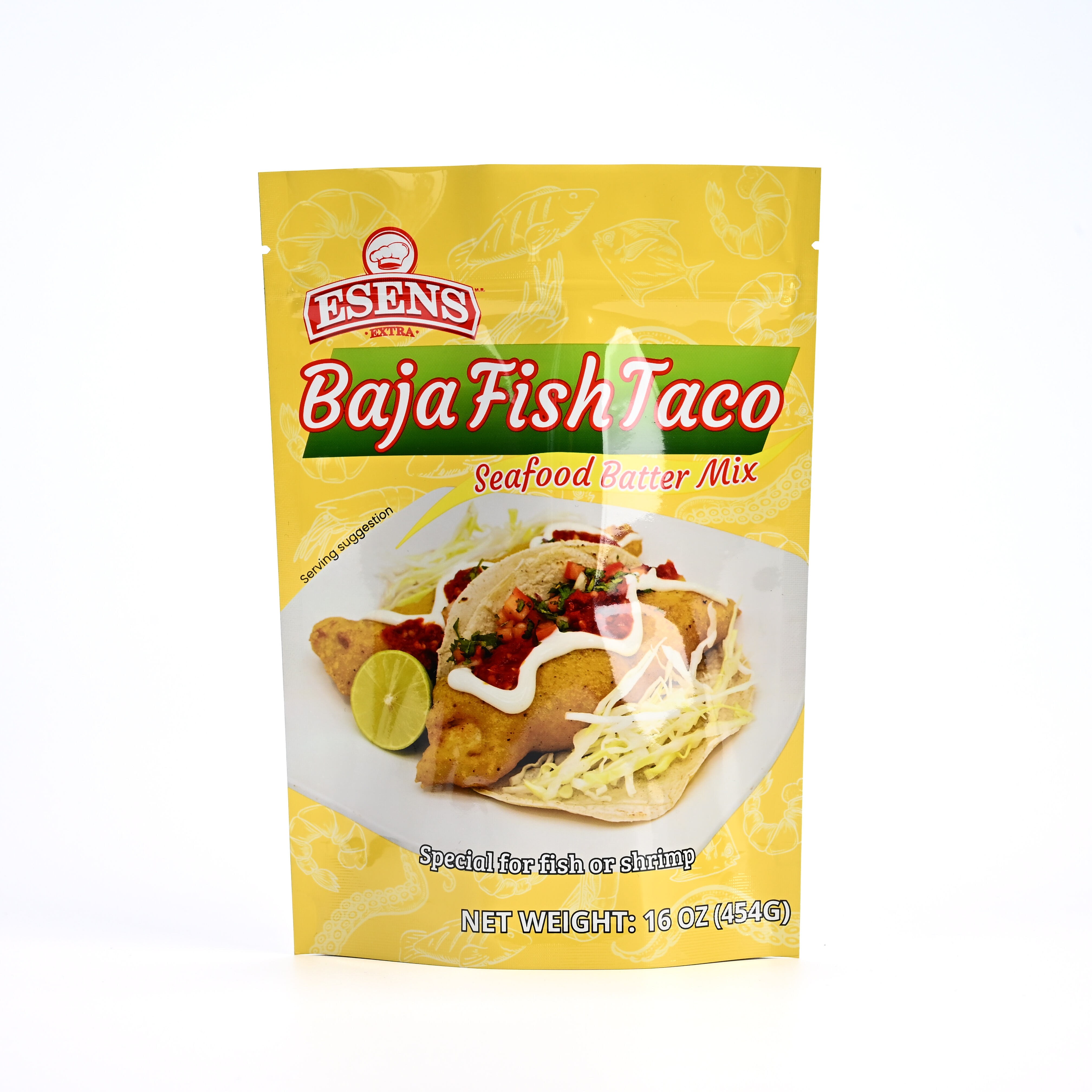
The snack food package represents a critical component in the modern food industry, serving as the primary barrier between consumable products and external environmental factors. This essential packaging system encompasses multiple layers of protection designed specifically for maintaining product integrity, extending shelf life, and enhancing consumer appeal. Snack food package technology incorporates advanced materials science, utilizing multilayer films, barrier coatings, and specialized sealing techniques to create optimal storage conditions for various snack products including chips, crackers, nuts, and confectionery items. The primary functions of a snack food package include moisture protection, oxygen barrier properties, light resistance, and contamination prevention. These packages employ sophisticated polymer structures that regulate gas exchange while preventing moisture infiltration, ensuring that products maintain their intended texture, flavor, and nutritional value throughout the distribution cycle. Technological features of modern snack food package designs include modified atmosphere packaging capabilities, which replace internal air with nitrogen or other inert gases to slow oxidation processes. Heat-sealing technologies create hermetic closures that prevent tampering and maintain sterile internal environments. Advanced printing capabilities enable vibrant graphics and essential product information display, supporting brand recognition and consumer communication. Applications for snack food package solutions span across retail environments, vending machine operations, institutional food service, and direct-to-consumer shipping scenarios. Each application requires specific performance characteristics tailored to storage duration, temperature fluctuations, handling requirements, and display considerations. The packaging must accommodate various product sizes, shapes, and densities while maintaining cost-effectiveness for manufacturers and convenience for end users. Modern snack food package development also incorporates sustainability considerations, utilizing recyclable materials and reduced material thickness without compromising protective performance.
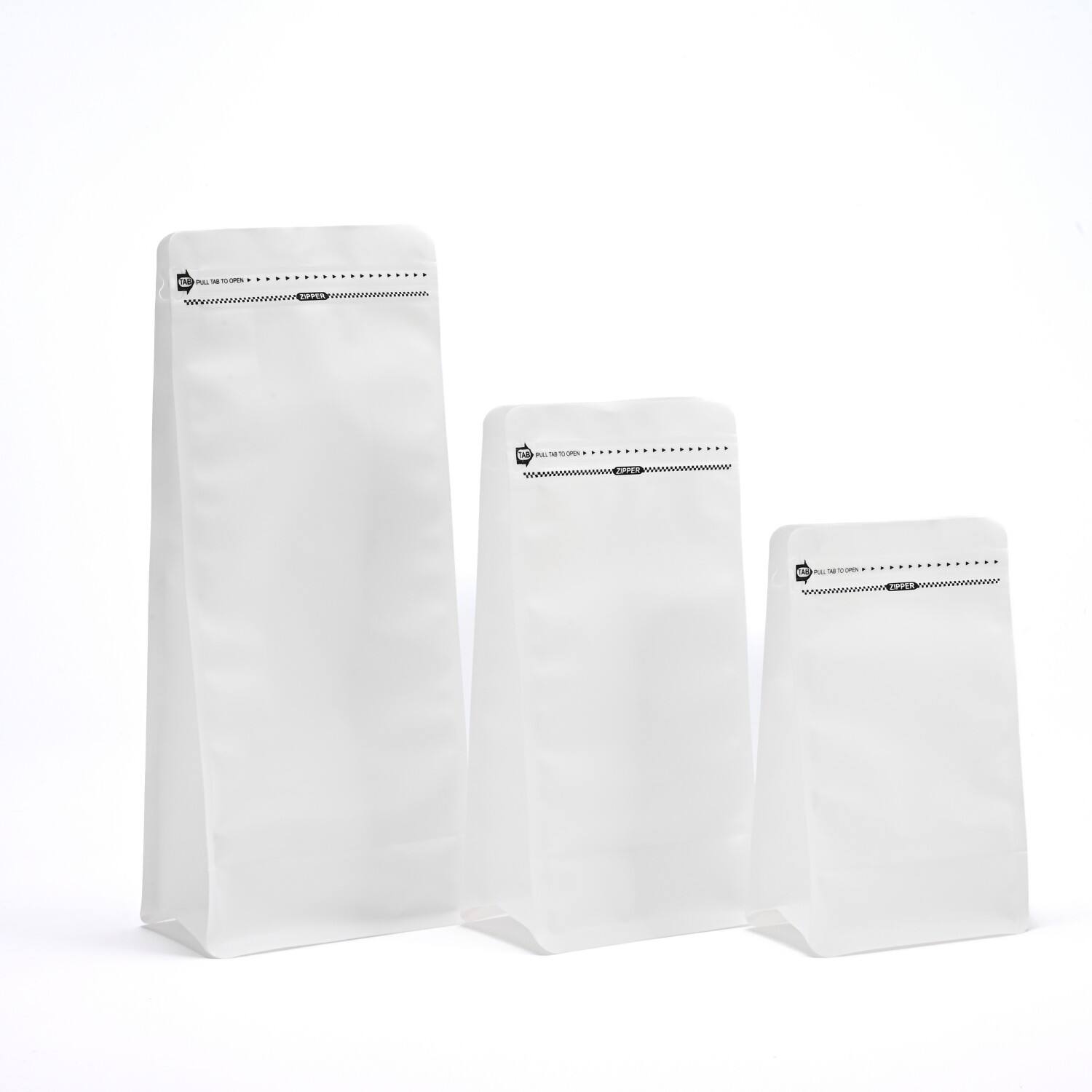
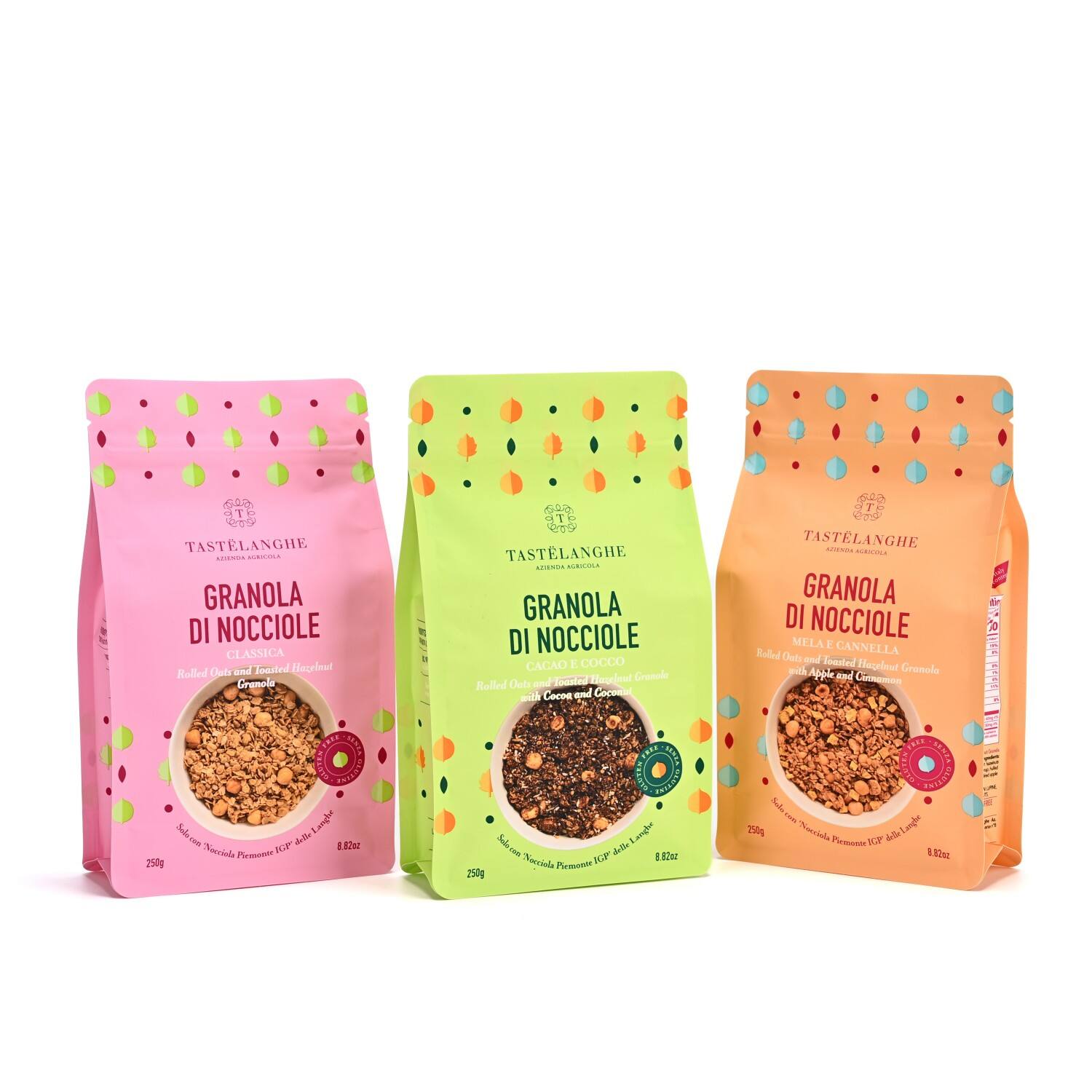
Popular Products

The snack food package delivers exceptional value through enhanced product preservation capabilities that significantly extend shelf life compared to unprotected products. This preservation advantage translates directly into reduced waste for both retailers and consumers, as products maintain peak quality for longer periods. The protective barrier properties prevent moisture absorption that causes texture degradation, ensuring that crispy snacks remain fresh and appealing until consumption. Additionally, the snack food package provides superior convenience features that improve the overall consumer experience. Resealable closures allow partial consumption while maintaining remaining product freshness, accommodating modern consumption patterns where portability and portion control are increasingly important. The lightweight construction of contemporary snack food package designs reduces shipping costs and environmental impact while maintaining robust protection standards. These packages offer excellent display properties that enhance product visibility and brand communication at point-of-sale locations. Clear window panels or transparent materials allow consumers to inspect product quality before purchase, building confidence and reducing return rates. The tamper-evident features of professional snack food package systems provide security assurance that protects both manufacturers and consumers from product contamination or adulteration. This security benefit has become increasingly valuable in today's marketplace where food safety concerns drive purchasing decisions. Manufacturing efficiency represents another significant advantage of modern snack food package technology. Automated filling and sealing equipment can process thousands of packages per hour, reducing labor costs and improving consistency. The standardized dimensions of snack food package formats optimize warehouse storage density and transportation efficiency, creating cost savings throughout the supply chain. Furthermore, the excellent printability of package surfaces enables sophisticated marketing communications, ingredient listings, nutritional information, and regulatory compliance messaging without requiring separate labeling operations. The durability of snack food package construction withstands normal handling stresses during distribution, preventing package failures that could result in product loss and customer dissatisfaction. Temperature stability ensures package integrity across various climate conditions, from warehouse storage to retail display environments.

Tips And Tricks

Bridging Performance and Sustainability: The Dual Role of PE/EVOH/PE in Modern Food Packaging

26

Dec

Bridging Performance and Sustainability: The Dual Role of PE/EVOH/PE in Modern Food Packaging

View More
Smart Packaging: From Passive Containers to Active Food Preservation Partners

11

Dec

Smart Packaging: From Passive Containers to Active Food Preservation Partners

View More
The Silent Salesman: How Packaging Design Psychology Drives Consumer Choice in the Digital Age

11

Dec

The Silent Salesman: How Packaging Design Psychology Drives Consumer Choice in the Digital Age

View More

Get a Free Quote

Our representative will contact you soon.
Email
Name
Company Name
Message
0/1000

snack food package

Advanced Barrier Protection Technology

Advanced Barrier Protection Technology

The sophisticated barrier protection technology integrated into modern snack food package systems represents a revolutionary advancement in food preservation science. This technology employs multiple protective layers that work synergistically to create an impermeable shield against environmental factors that threaten product quality. The outer layer typically consists of oriented polypropylene or polyethylene terephthalate films that provide mechanical strength and puncture resistance, while inner metallized or aluminum oxide coated layers deliver exceptional moisture and oxygen barrier properties. This multi-layer construction effectively blocks light transmission that can cause flavor degradation and nutrient loss in sensitive products. The barrier technology maintains internal atmospheric conditions at optimal levels, preventing staleness and rancidity that commonly affect unprotected snack products. Gas permeation rates are precisely controlled through molecular engineering of polymer structures, ensuring that oxygen levels remain below critical thresholds that trigger oxidative reactions. Moisture vapor transmission rates are similarly regulated to prevent textural changes that compromise consumer acceptance. The snack food package barrier system also incorporates antimicrobial properties that inhibit bacterial growth and extend microbiological shelf life. These protective characteristics work continuously throughout the product lifecycle, from initial packaging through retail distribution to final consumption. The technology adapts to various product requirements, with barrier specifications customized for different snack categories based on their specific vulnerability profiles. Oil and fat-containing products receive enhanced grease resistance treatments, while sugar-based products benefit from specialized humidity control features. This comprehensive protection approach ensures that the snack food package delivers consistent performance across diverse storage conditions and extended time periods, maintaining product integrity that meets consumer expectations while supporting manufacturer quality standards.
User-Friendly Design and Convenience Features

User-Friendly Design and Convenience Features

The user-friendly design philosophy driving modern snack food package development prioritizes consumer convenience without sacrificing protective performance or aesthetic appeal. Contemporary packages incorporate intuitive opening mechanisms that accommodate users of all ages and physical capabilities, featuring easy-tear notches, zipper closures, and ergonomic grip areas that facilitate smooth package handling. The snack food package design process considers human factors engineering principles to optimize package dimensions for comfortable handling while maximizing product capacity efficiency. Resealable closure systems represent a cornerstone of convenience-focused design, enabling consumers to access portions of product while preserving remaining contents in optimal condition. These closure mechanisms maintain hermetic sealing properties through repeated opening and closing cycles, ensuring that product freshness persists throughout extended consumption periods. Portion control features built into snack food package designs support health-conscious consumers by providing clear serving size guidance and facilitating measured consumption practices. Transparent viewing windows allow product inspection prior to purchase, reducing uncertainty and building consumer confidence in product quality. The package structure accommodates stacking and storage in pantries, cabinets, and refrigerators through space-efficient shapes that maximize storage density in consumer homes. Ergonomic considerations extend to package opening forces, ensuring that required effort levels remain accessible to elderly users and individuals with limited hand strength. Child-resistant features can be incorporated when necessary while maintaining adult accessibility for appropriate products. The snack food package surface design includes tactile elements that improve grip security during handling, reducing accidental drops that could damage products or create safety hazards. Clear labeling hierarchies guide consumers to essential information including ingredients, nutritional data, and usage instructions, supporting informed purchasing decisions and proper product utilization throughout the consumption experience.
Environmental Sustainability and Cost Effectiveness

Environmental Sustainability and Cost Effectiveness

Environmental sustainability integration within snack food package development reflects growing consumer awareness and regulatory requirements for responsible packaging solutions. Modern packages utilize recyclable materials wherever possible, incorporating post-consumer recycled content while maintaining performance standards required for effective product protection. The material selection process prioritizes renewable resources and bio-based polymers that reduce dependence on petroleum-derived components, supporting circular economy principles. Lightweighting initiatives minimize material usage without compromising barrier properties or structural integrity, reducing raw material consumption and transportation-related carbon emissions. The snack food package manufacturing process incorporates energy-efficient production technologies that lower environmental impact while improving cost effectiveness for manufacturers. Water-based inks and adhesives replace solvent-based alternatives, eliminating volatile organic compound emissions during printing and laminating operations. Packaging design optimization reduces waste generation through precise material utilization and trim minimization strategies. End-of-life considerations guide material selection toward options that support existing recycling infrastructure and waste management systems. Compostable alternatives are developed for appropriate applications where industrial composting facilities are available, providing complete biodegradation pathways for organic waste streams. The cost effectiveness of sustainable snack food package solutions extends beyond material costs to encompass total lifecycle expenses including disposal fees, regulatory compliance costs, and brand reputation benefits. Efficient manufacturing processes reduce production time and energy consumption, lowering operational expenses while supporting sustainability objectives. Standardized packaging formats enable economies of scale in production and procurement, reducing per-unit costs for manufacturers while simplifying inventory management. The durability of well-designed packages reduces product loss rates during distribution, improving overall supply chain efficiency and reducing food waste. Long-term cost benefits include reduced regulatory compliance expenses as environmental regulations continue evolving toward stricter sustainability requirements.

Get a Free Quote

Our representative will contact you soon.
Email
Name
Company Name
Message
0/1000