Premium Frozen Food Package Solutions: Advanced Barrier Technology & Sustainable Food Preservation

Contact me immediately if you encounter problems!

All Categories

Get a Free Quote

Our representative will contact you soon.
Email
Name
Company Name
Message
0/1000

frozen food package

The frozen food package represents a revolutionary approach to food preservation and distribution, serving as the cornerstone of modern food storage technology. These sophisticated packaging solutions combine advanced materials science with innovative design principles to maintain optimal food quality while extending shelf life dramatically. A frozen food package typically consists of multiple barrier layers that work synergistically to protect contents from moisture, oxygen, and temperature fluctuations. The primary function of any frozen food package centers on creating an impermeable barrier that prevents freezer burn, maintains nutritional integrity, and preserves original taste profiles. These packages utilize specialized polymer films, often incorporating metallized layers or aluminum foil barriers that reflect heat and block light penetration. The technological features embedded within each frozen food package include moisture vapor transmission rates carefully calibrated for specific food types, oxygen barrier properties that prevent oxidation, and puncture resistance designed to withstand the rigors of commercial freezing and transportation. Modern frozen food package designs incorporate easy-open features, resealable closures, and microwave-safe materials that enhance consumer convenience. Applications span across diverse sectors including ready meals, vegetables, fruits, meat products, seafood, and dairy items. The versatility of frozen food package technology enables manufacturers to customize barrier properties, package sizes, and structural integrity based on specific product requirements. Advanced frozen food package systems may include intelligent features such as time-temperature indicators, freshness sensors, and color-changing elements that communicate product status to consumers. These packages must withstand extreme temperature variations, from production facilities through distribution networks to consumer freezers, while maintaining structural integrity and protective properties throughout the entire cold chain journey.
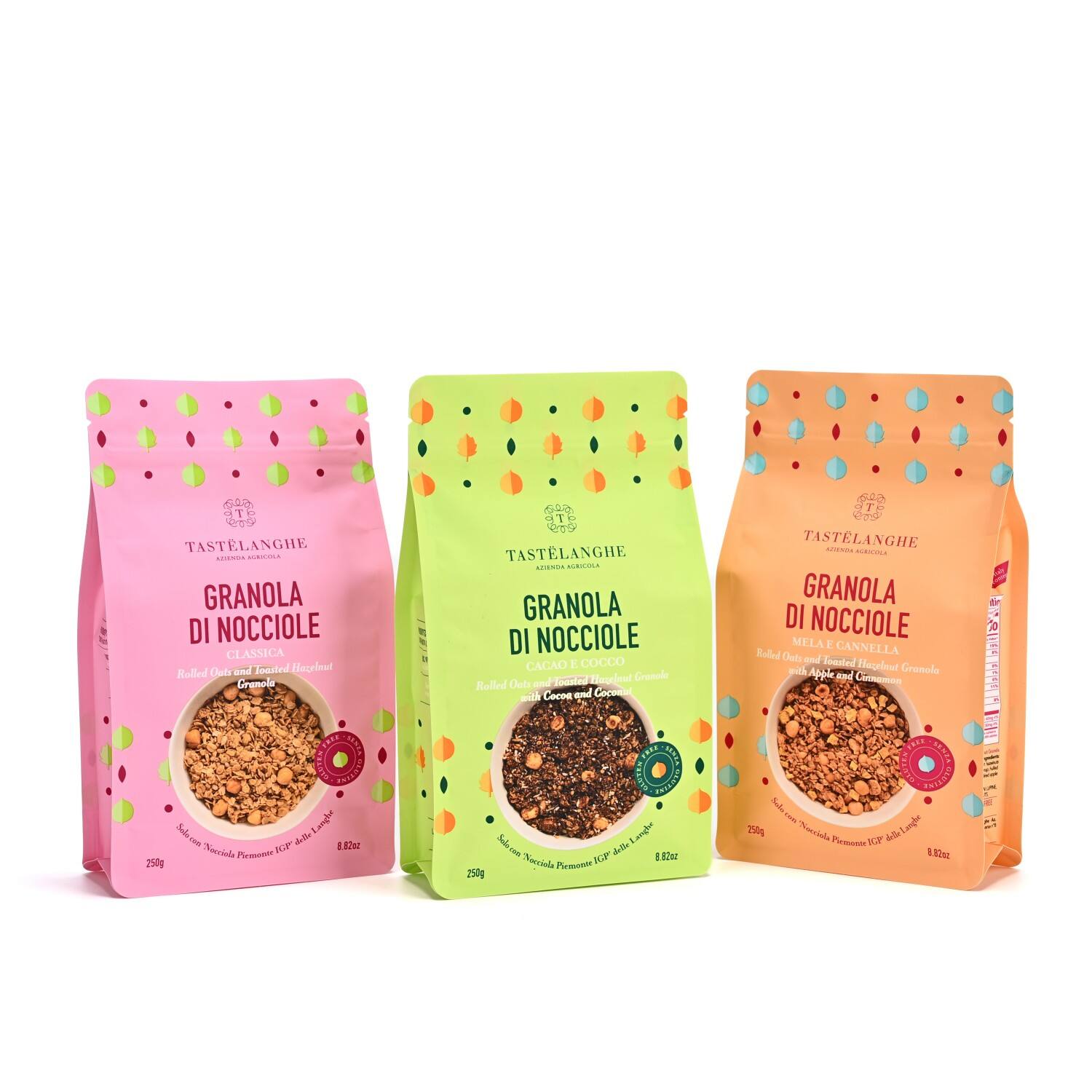
New Product Releases

The frozen food package delivers exceptional value through numerous practical benefits that directly impact both manufacturers and consumers. Cost efficiency represents a primary advantage, as these packages significantly reduce food waste by extending product shelf life from days to months or even years. This extended preservation capability translates into substantial savings for households and businesses alike, eliminating the frequent replacement costs associated with fresh products that spoil quickly. The convenience factor cannot be overstated, as frozen food package technology enables consumers to store nutritious meals and ingredients for extended periods without compromising quality. This convenience supports busy lifestyles by providing quick meal solutions that require minimal preparation time while delivering consistent taste and nutritional value. Safety improvements constitute another crucial benefit, as the frozen food package creates a controlled environment that inhibits bacterial growth and prevents contamination. The sealed barrier protection ensures that harmful microorganisms cannot penetrate the package, maintaining food safety standards from production to consumption. Nutritional preservation stands as a significant advantage, with modern frozen food package technology actually retaining more vitamins and minerals compared to fresh products that deteriorate during transportation and storage. The rapid freezing process combined with effective packaging locks in nutrients at their peak levels, delivering superior nutritional content to consumers. Environmental benefits emerge through reduced food spoilage and waste, contributing to more sustainable consumption patterns. These packages support efficient distribution networks by enabling longer transportation distances without quality degradation, reducing the carbon footprint associated with frequent restocking. Quality consistency represents another key advantage, as frozen food package systems maintain uniform taste, texture, and appearance across all units. This reliability builds consumer confidence and brand loyalty while supporting predictable inventory management for retailers. The versatility of frozen food package applications allows manufacturers to diversify product offerings and enter new market segments with confidence. Storage optimization becomes achievable through stackable designs and space-efficient shapes that maximize freezer capacity utilization.

Latest News

Bridging Performance and Sustainability: The Dual Role of PE/EVOH/PE in Modern Food Packaging

26

Dec

Bridging Performance and Sustainability: The Dual Role of PE/EVOH/PE in Modern Food Packaging

View More
Smart Packaging: From Passive Containers to Active Food Preservation Partners

11

Dec

Smart Packaging: From Passive Containers to Active Food Preservation Partners

View More
The Silent Salesman: How Packaging Design Psychology Drives Consumer Choice in the Digital Age

11

Dec

The Silent Salesman: How Packaging Design Psychology Drives Consumer Choice in the Digital Age

View More

Get a Free Quote

Our representative will contact you soon.
Email
Name
Company Name
Message
0/1000

frozen food package

Advanced Barrier Technology for Maximum Protection

Advanced Barrier Technology for Maximum Protection

The sophisticated barrier technology integrated into every frozen food package represents the pinnacle of food preservation innovation, utilizing multi-layered construction that creates an impenetrable shield against environmental factors that compromise food quality. This advanced barrier system typically incorporates specialized polymer films, metallized layers, and strategically positioned oxygen scavengers that work collectively to maintain optimal storage conditions. The moisture barrier component prevents water vapor transmission, eliminating the formation of ice crystals that cause freezer burn and texture degradation. These barriers are engineered with precise moisture vapor transmission rates calibrated specifically for different food categories, ensuring vegetables retain their crispness while meat products maintain their natural juices. The oxygen barrier properties utilize advanced materials such as ethylene vinyl alcohol copolymers and specialized nanocomposites that create molecular-level protection against oxidation reactions that destroy flavor compounds and essential nutrients. This technology extends far beyond simple plastic wrapping, incorporating intelligent design elements that respond to temperature variations and maintain consistent barrier performance throughout the frozen storage period. The thermal barrier characteristics help maintain stable internal temperatures even during brief exposure to ambient conditions, protecting against temperature abuse during transportation and handling. Additionally, the light barrier properties incorporated into many frozen food package designs prevent photodegradation of sensitive compounds, preserving natural colors and preventing the development of off-flavors. The puncture resistance and seal integrity features ensure that the protective barrier remains intact throughout the distribution chain, from manufacturing facilities through retail environments to consumer freezers. This comprehensive barrier technology represents a significant investment in food quality preservation, delivering tangible benefits through extended shelf life, maintained nutritional value, and consistent product performance that meets consumer expectations for taste, texture, and appearance.
Enhanced Consumer Convenience and Usability Features

Enhanced Consumer Convenience and Usability Features

Modern frozen food package design prioritizes consumer convenience through innovative features that transform the entire user experience from storage to preparation and consumption. Easy-open mechanisms eliminate the frustration traditionally associated with frozen food packaging, incorporating perforated edges, tear strips, and ergonomic grip areas that function effectively even when packages are frozen solid. These user-friendly features consider the physical challenges of handling cold, potentially slippery packages while wearing gloves or dealing with reduced manual dexterity due to cold temperatures. Resealable closure systems represent a significant advancement in frozen food package technology, enabling consumers to use portions of the contents while maintaining optimal storage conditions for remaining product. These closures utilize specialized adhesive systems and mechanical fastening mechanisms that maintain their effectiveness through multiple freeze-thaw cycles, ensuring long-term usability and preventing freezer burn on partially consumed products. Microwave-safe materials and steam venting systems integrated into the frozen food package design enable direct cooking without transferring contents to separate containers, significantly reducing preparation time and cleanup requirements. The portion control features built into many frozen food package designs help consumers manage serving sizes and reduce waste while supporting dietary management goals. Clear visibility windows or transparent sections allow consumers to assess product condition and quantity without opening the package, supporting informed purchasing decisions and inventory management. Stackable designs and space-efficient shapes maximize freezer storage capacity, particularly important for consumers with limited freezer space who want to maintain diverse frozen food inventories. The integration of cooking instructions and nutritional information directly onto the frozen food package surface eliminates the need for separate documentation and ensures critical information remains accessible throughout the product lifecycle. These convenience features collectively transform frozen food from a basic preservation method into a comprehensive meal solution system that supports modern lifestyle demands while maintaining the highest standards of food quality and safety.
Sustainability and Environmental Responsibility Benefits

Sustainability and Environmental Responsibility Benefits

The environmental advantages of frozen food package technology extend far beyond simple food preservation, creating a comprehensive sustainability framework that addresses multiple environmental challenges facing modern food systems. Food waste reduction represents the most significant environmental benefit, as effective frozen food package systems prevent billions of pounds of food from entering landfills annually by extending usable product life from days to months or years. This waste reduction directly translates into reduced greenhouse gas emissions, as decomposing food waste in landfills generates methane, a potent greenhouse gas with significantly higher warming potential than carbon dioxide. The resource conservation benefits achieved through frozen food package technology include reduced water usage, lower energy consumption in food production, and decreased agricultural land requirements, as the extended preservation capability enables more efficient utilization of harvested crops and manufactured food products. Transportation efficiency improvements emerge from the ability to ship frozen products over longer distances without quality degradation, enabling centralized production facilities that achieve economies of scale while reducing the overall carbon footprint of food distribution networks. Many modern frozen food package materials incorporate recycled content and are designed for recyclability, supporting circular economy principles that minimize virgin material consumption and reduce packaging waste streams. The energy efficiency aspects of frozen food package systems contribute to overall sustainability through optimized thermal properties that reduce freezer energy consumption and maintain product quality with lower energy inputs. Seasonal availability extension achieved through effective frozen food package technology reduces the need for energy-intensive greenhouse production and long-distance transportation of out-of-season fresh products, supporting more sustainable consumption patterns. The concentration and space efficiency of frozen products enabled by advanced packaging technology reduces transportation fuel consumption per unit of nutrition delivered to consumers. Additionally, the standardization and automation possibilities created by consistent frozen food package dimensions and handling characteristics improve distribution efficiency and reduce packaging material waste throughout the supply chain. These sustainability benefits position frozen food package technology as a crucial component of environmentally responsible food systems that balance consumer convenience with ecological stewardship responsibilities.

Get a Free Quote

Our representative will contact you soon.
Email
Name
Company Name
Message
0/1000