Leading Food Package Manufacturer - Advanced Packaging Solutions for Food Industry Success

Contact me immediately if you encounter problems!

All Categories

Get a Free Quote

Our representative will contact you soon.
Email
Name
Company Name
Message
0/1000

food package manufacturer

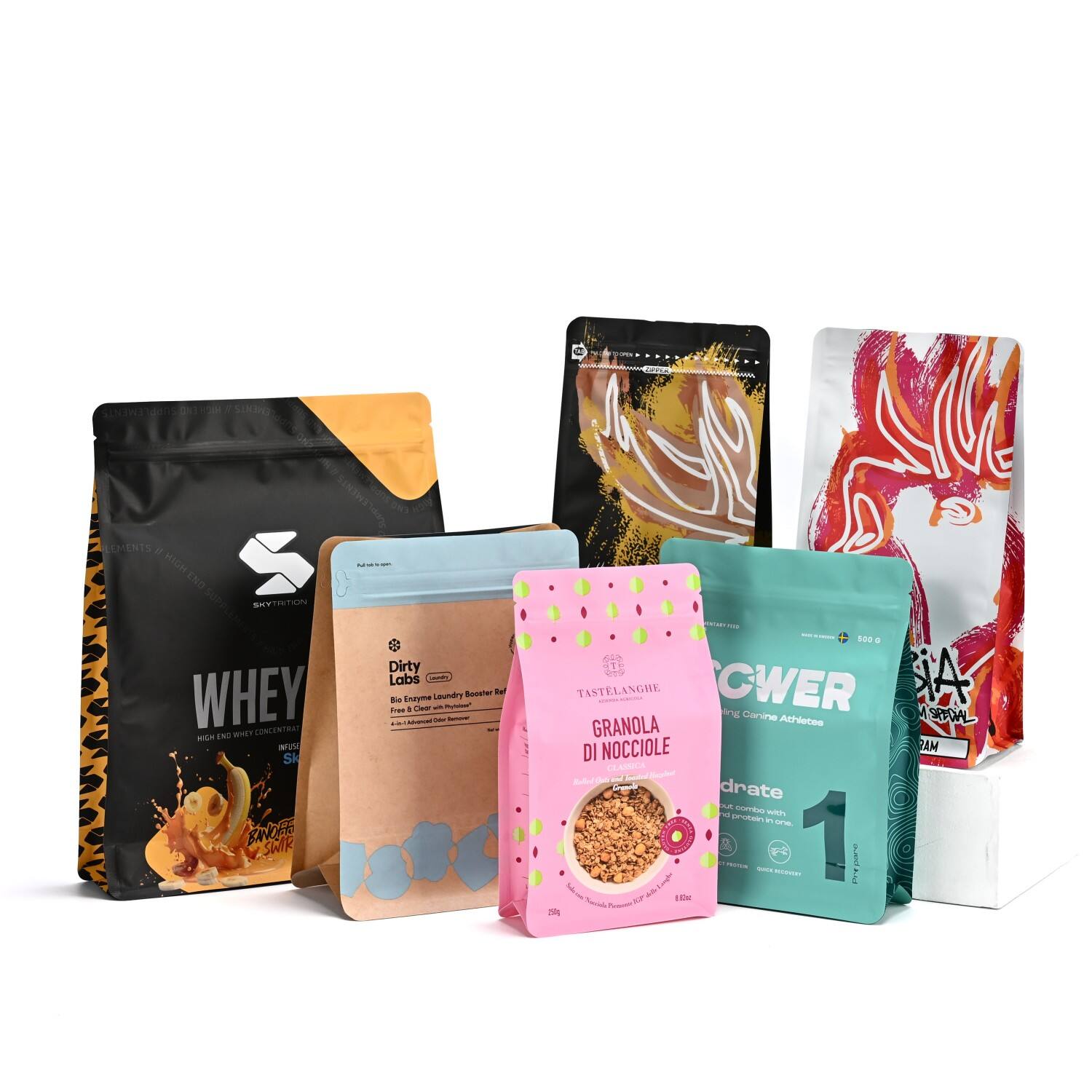
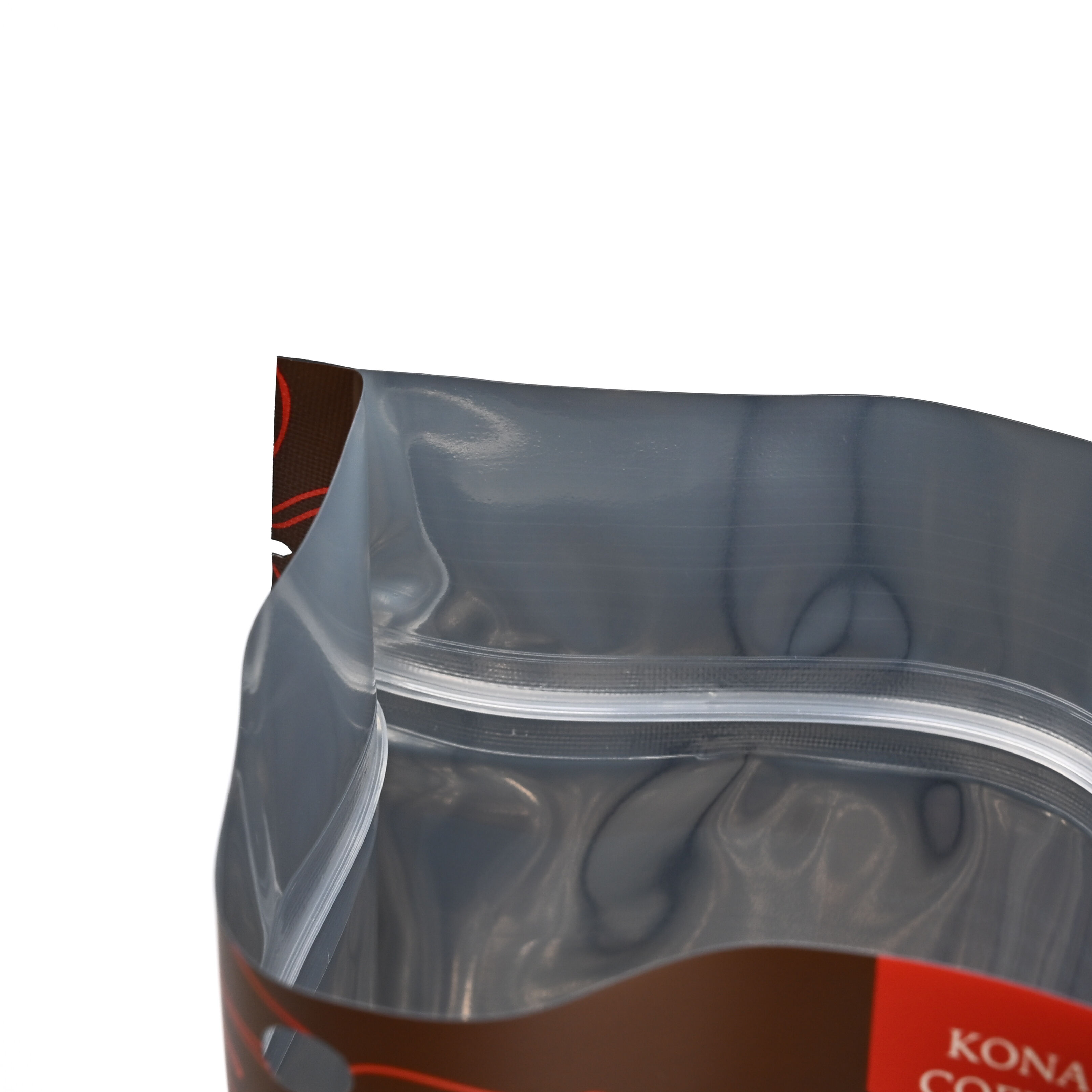
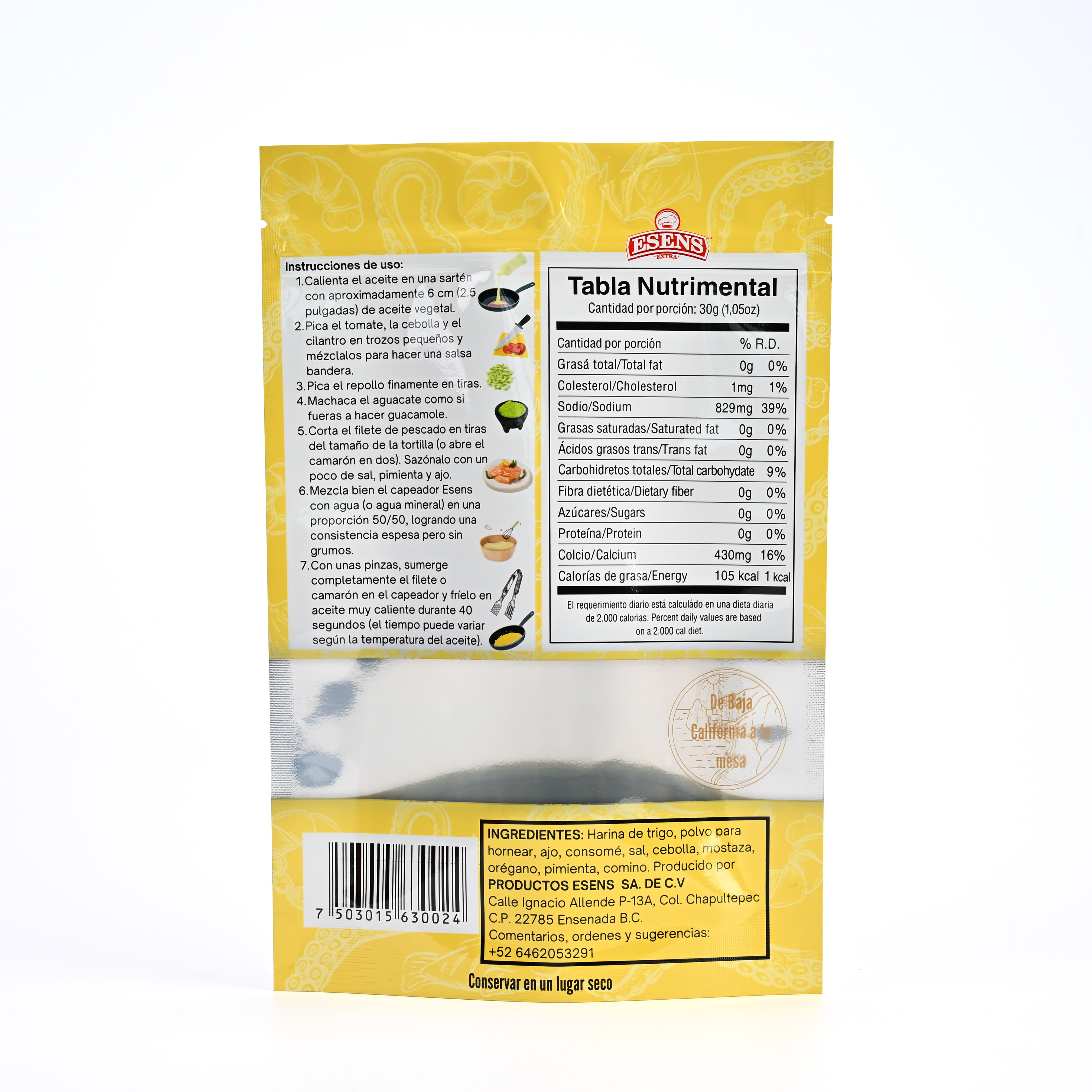
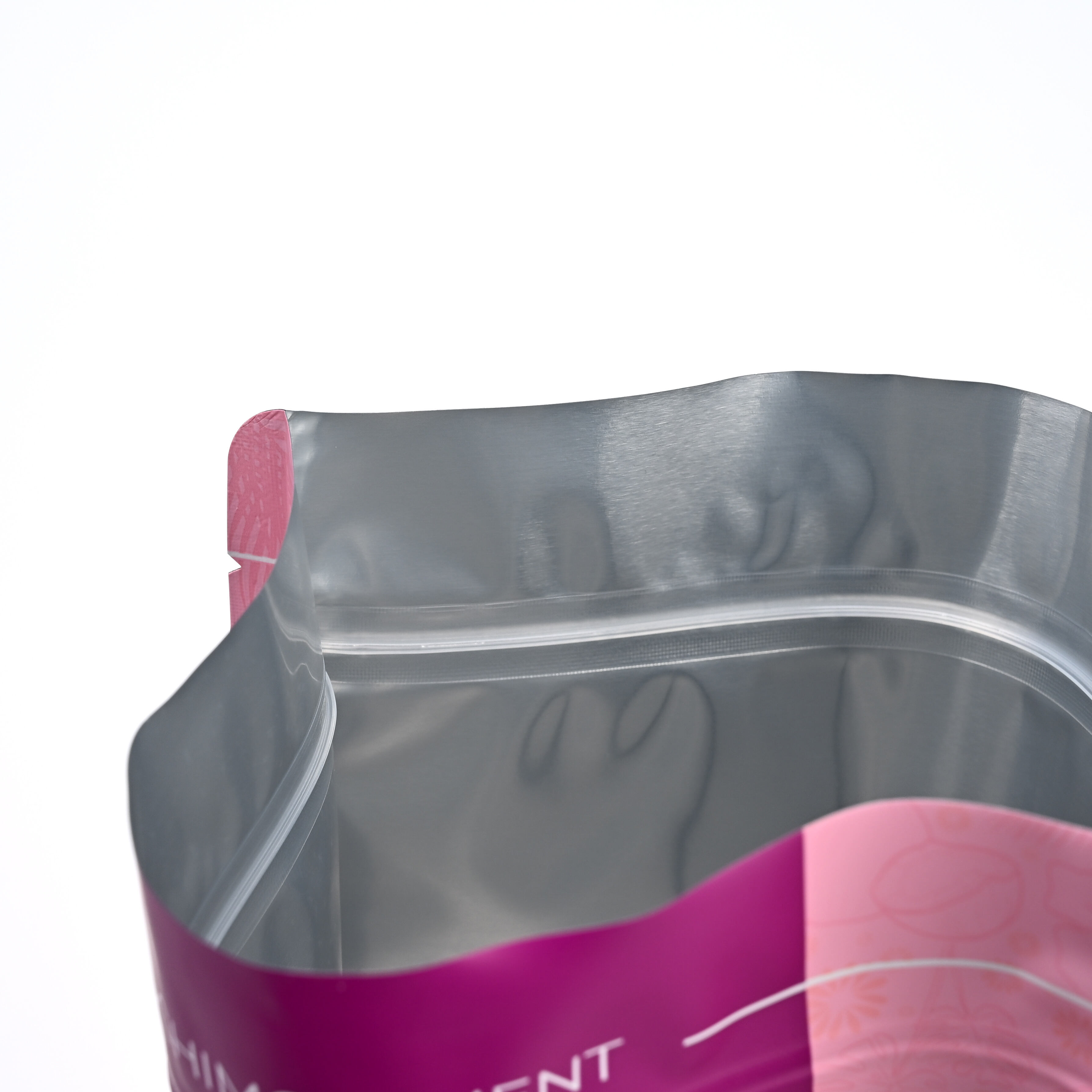
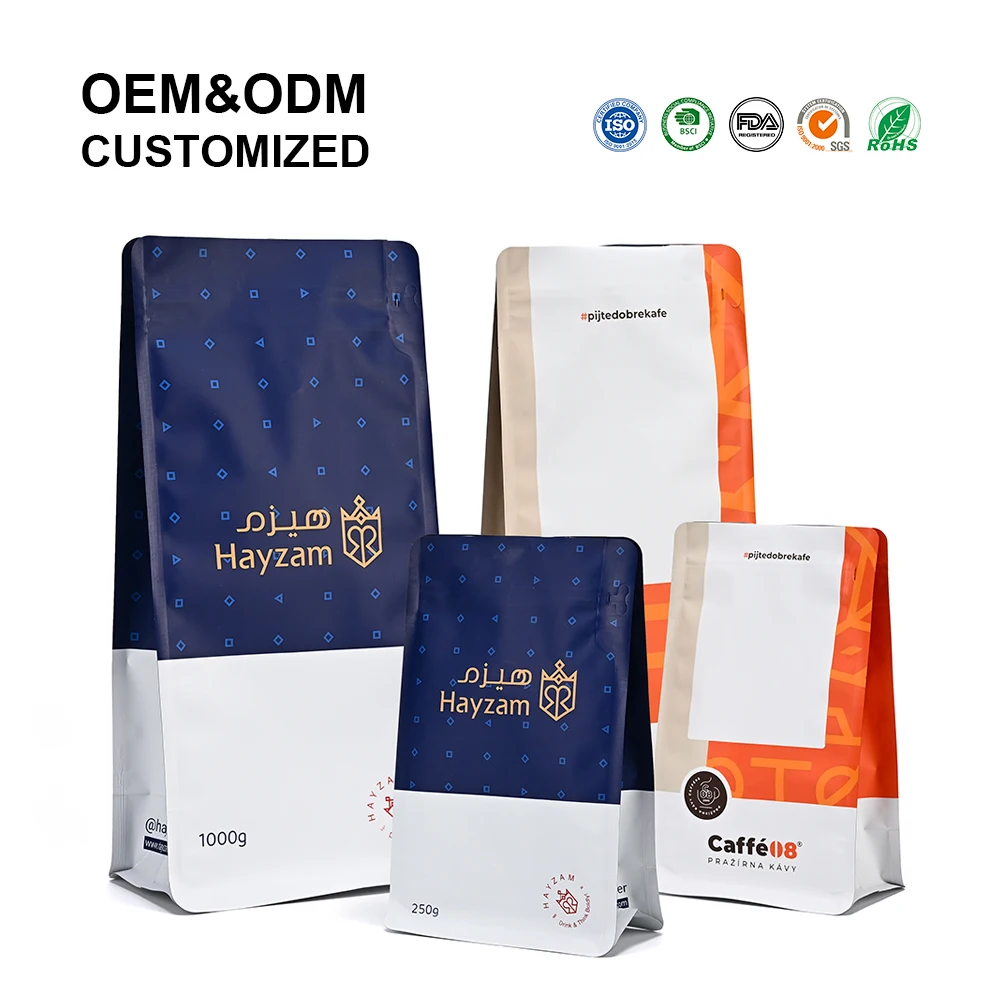
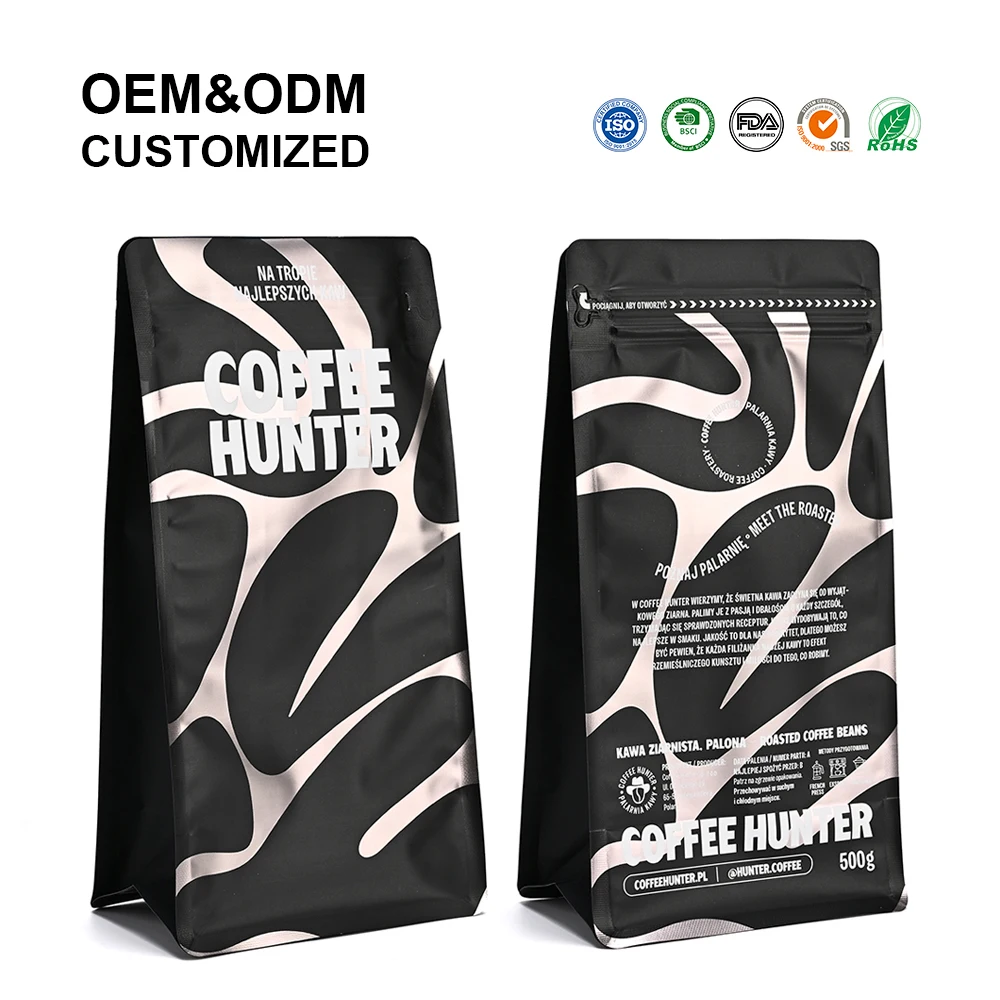
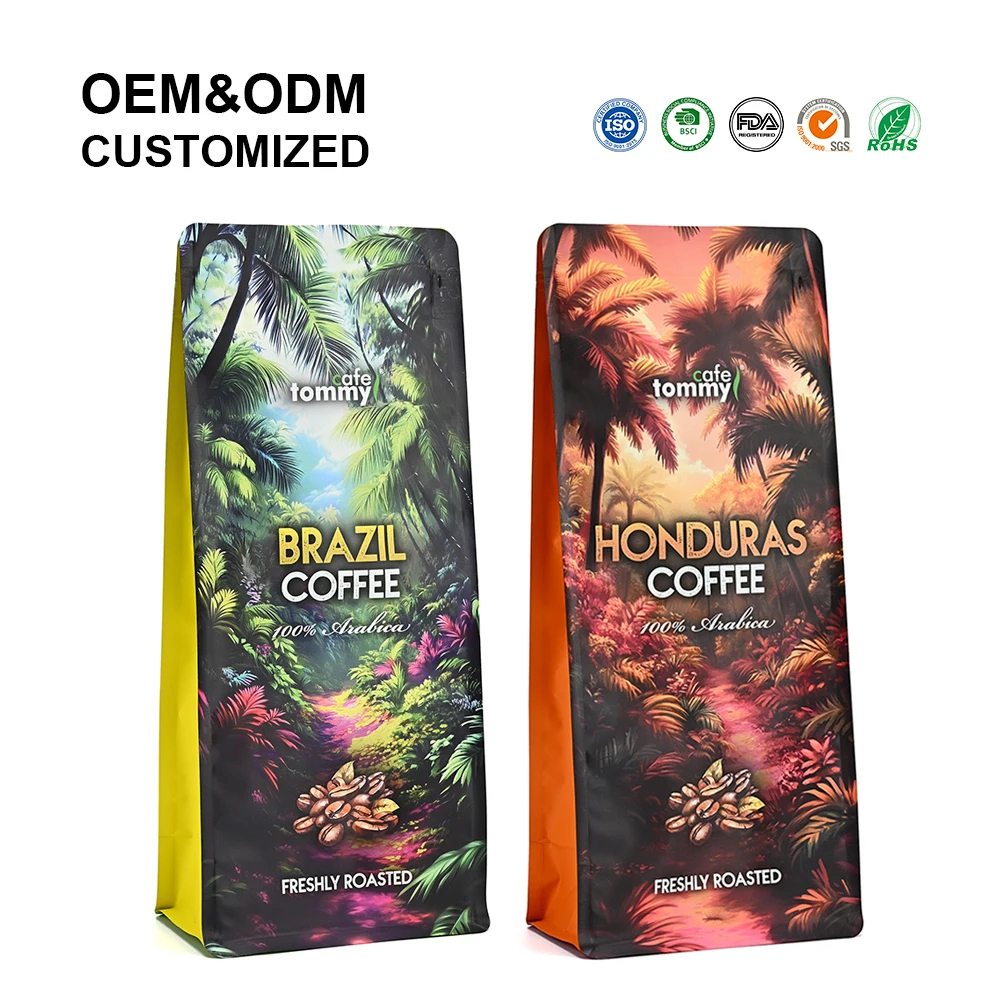
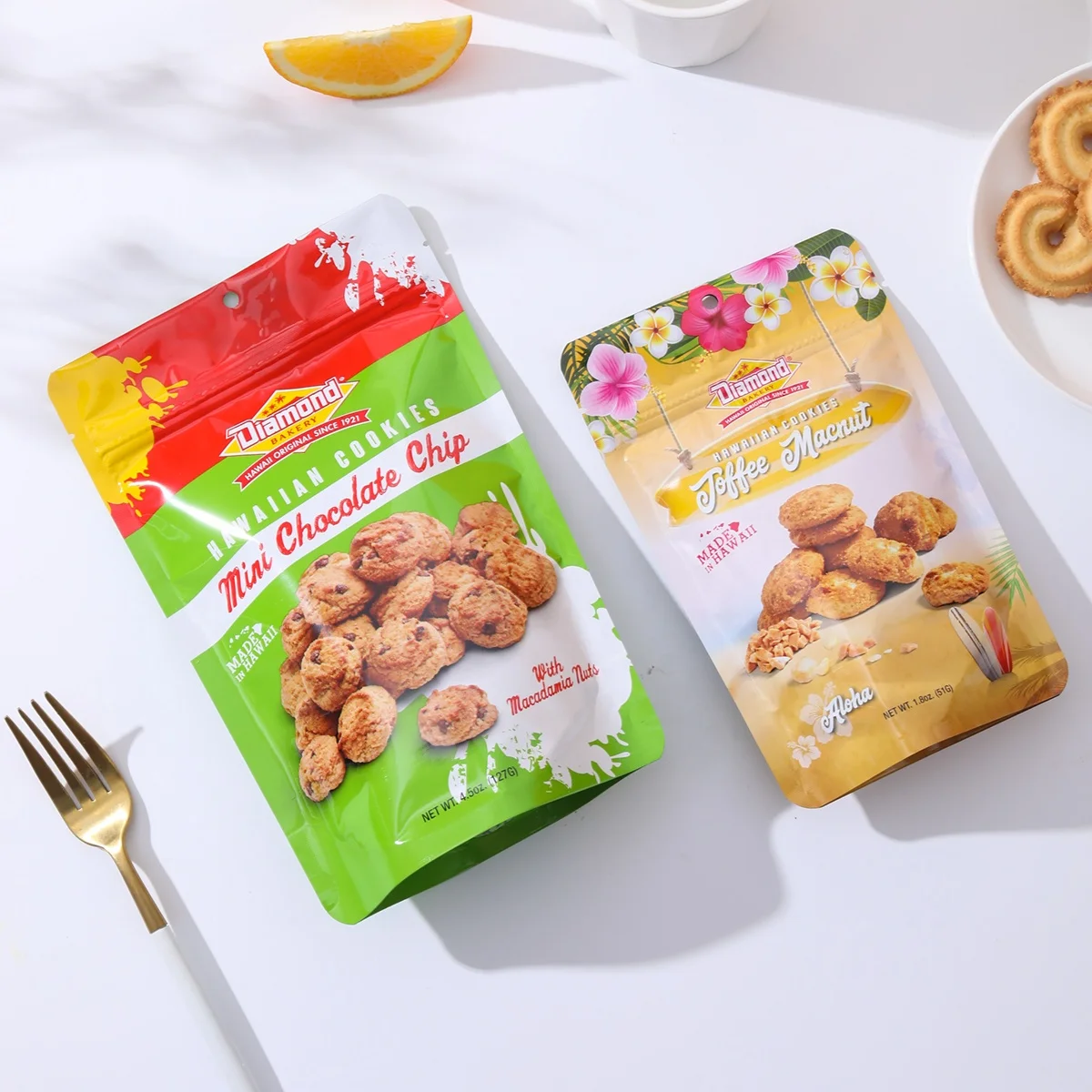
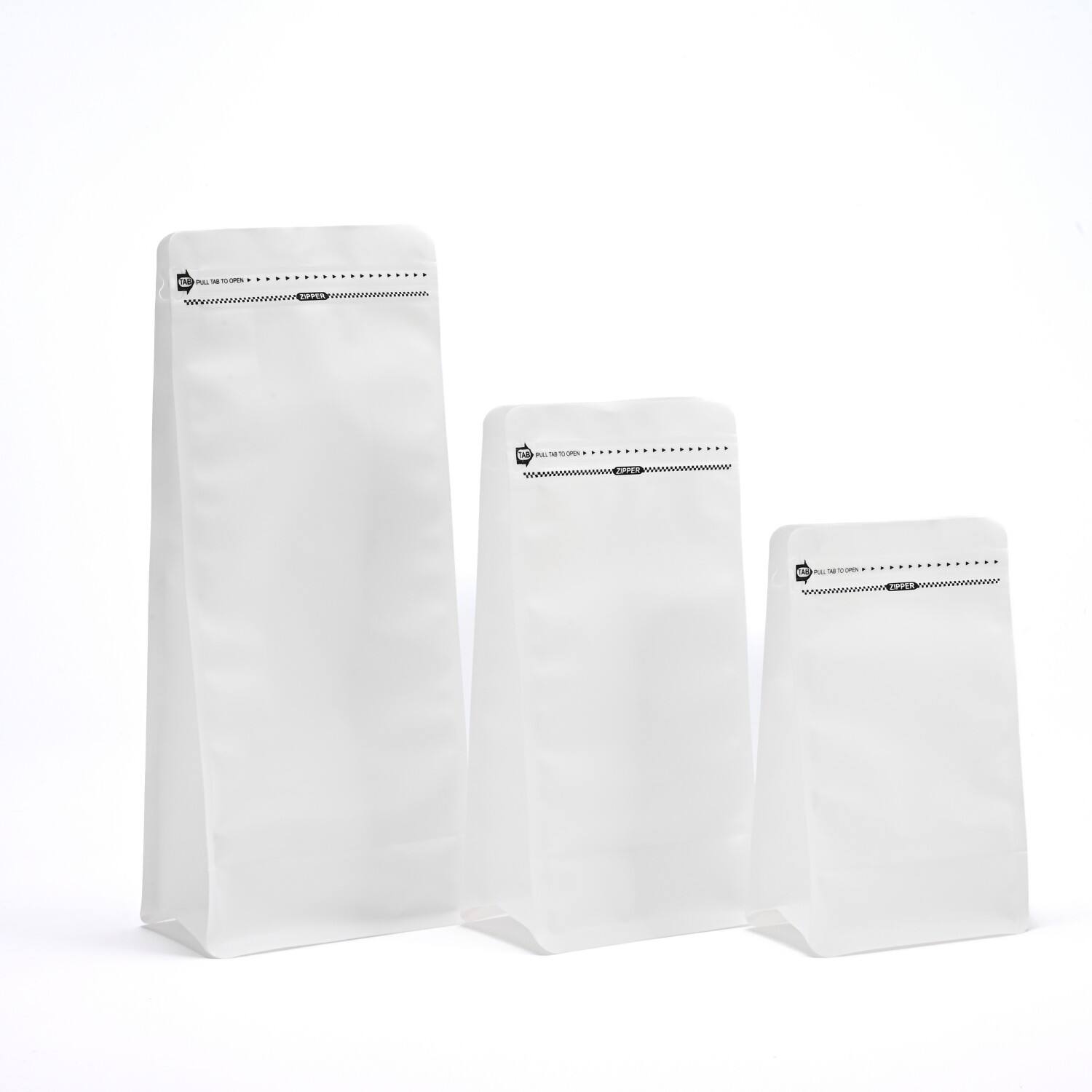
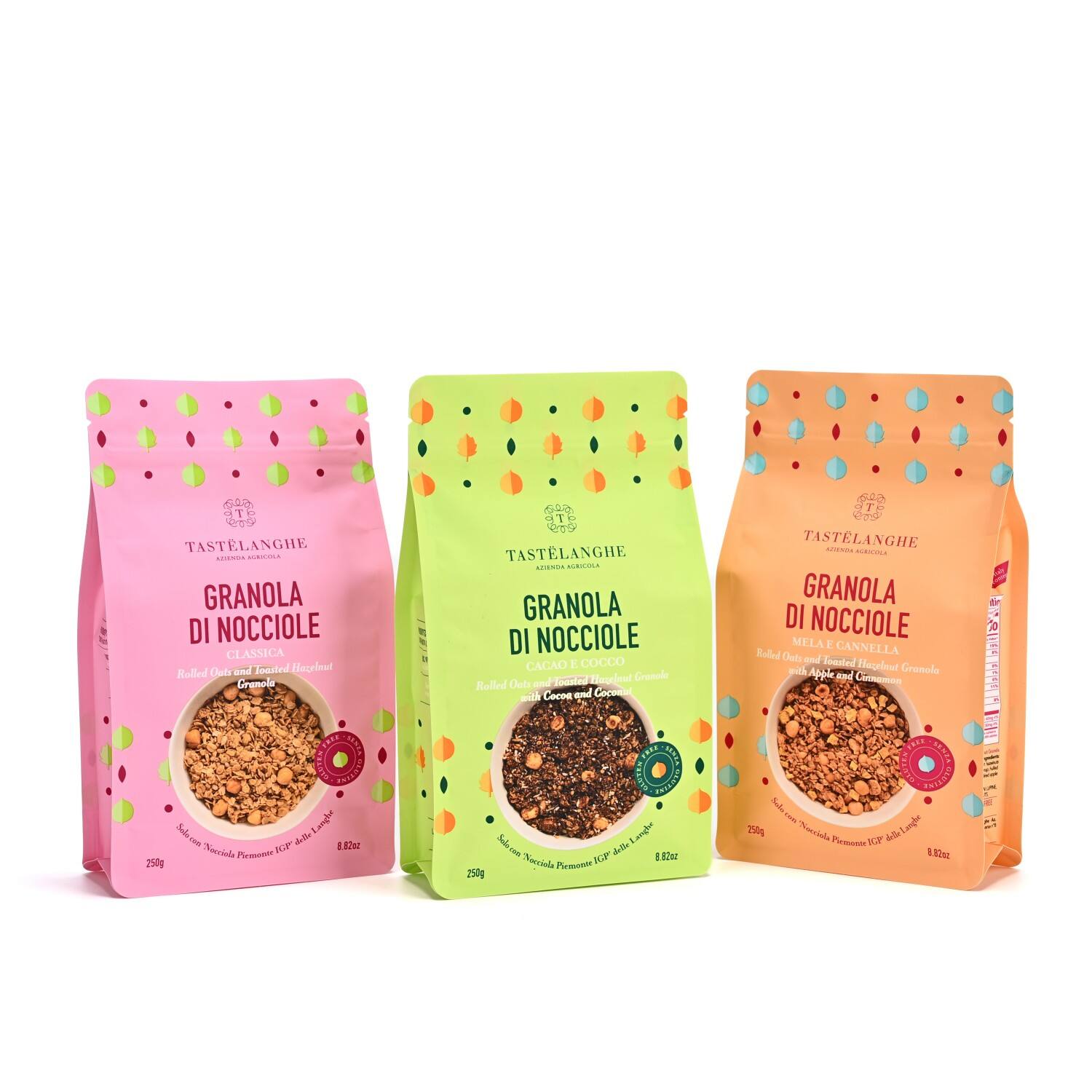
A food package manufacturer represents a specialized enterprise that designs, produces, and supplies comprehensive packaging solutions for the food industry. These manufacturers serve as essential partners for food companies, restaurants, retailers, and distributors by creating protective barriers that preserve product quality, extend shelf life, and ensure consumer safety. The primary function of a food package manufacturer centers on developing packaging systems that maintain food integrity from production to consumption while meeting stringent regulatory standards and environmental requirements. Modern food package manufacturer facilities incorporate advanced production technologies including blow molding, thermoforming, flexographic printing, and barrier coating applications. These technological features enable the creation of diverse packaging formats such as flexible pouches, rigid containers, vacuum-sealed packages, and modified atmosphere packaging solutions. The manufacturing process typically involves material selection, design optimization, prototype development, quality testing, and large-scale production phases. A professional food package manufacturer utilizes various materials including food-grade plastics, biodegradable polymers, aluminum foils, paperboard composites, and specialized barrier films. Applications span across multiple food sectors including fresh produce, dairy products, meat and poultry, frozen foods, snack items, beverages, and ready-to-eat meals. The manufacturer's capabilities extend beyond basic containment to include features like tamper-evident seals, portion control mechanisms, microwave-safe constructions, and sustainable packaging alternatives. Quality control systems ensure compliance with FDA regulations, HACCP standards, and international food safety protocols. The food package manufacturer also provides customization services, allowing brands to incorporate unique graphics, sizes, and functional attributes that align with their marketing strategies and operational needs.
New Products

Partnering with a professional food package manufacturer delivers numerous practical benefits that directly impact your business operations and bottom line. Cost efficiency emerges as a primary advantage since these manufacturers operate with economies of scale, reducing per-unit packaging costs compared to in-house production or smaller suppliers. The food package manufacturer maintains specialized equipment and expertise that eliminates the need for significant capital investment in machinery, training, and facility modifications. Quality assurance represents another crucial benefit, as established manufacturers implement rigorous testing protocols and maintain certifications that ensure consistent product standards. This reliability reduces the risk of packaging failures, product recalls, and associated financial losses. Time savings become evident through streamlined procurement processes, where a single food package manufacturer can supply multiple packaging solutions instead of coordinating with various vendors. Innovation access allows businesses to leverage cutting-edge packaging technologies without internal research and development costs. The manufacturer's technical team provides design expertise, material recommendations, and problem-solving capabilities that enhance product presentation and functionality. Scalability advantages enable businesses to adjust order quantities based on seasonal demands or market growth without maintaining excess inventory or unused production capacity. Environmental benefits emerge through the food package manufacturer's ability to source sustainable materials, implement recycling programs, and develop eco-friendly alternatives that meet corporate sustainability goals. Risk mitigation occurs through the manufacturer's insurance coverage, regulatory compliance expertise, and established supply chain relationships that prevent disruptions. Customer support services include technical assistance, design modifications, and rapid response to urgent requirements. Geographic distribution capabilities allow the food package manufacturer to deliver products to multiple locations efficiently, reducing logistics complexity. Customization flexibility enables unique branding opportunities, portion sizing, and specialized features that differentiate products in competitive markets while maintaining cost-effectiveness through the manufacturer's production expertise and material sourcing advantages.

Practical Tips

Bridging Performance and Sustainability: The Dual Role of PE/EVOH/PE in Modern Food Packaging

26

Dec

Bridging Performance and Sustainability: The Dual Role of PE/EVOH/PE in Modern Food Packaging

View More
Smart Packaging: From Passive Containers to Active Food Preservation Partners

11

Dec

Smart Packaging: From Passive Containers to Active Food Preservation Partners

View More
The Silent Salesman: How Packaging Design Psychology Drives Consumer Choice in the Digital Age

11

Dec

The Silent Salesman: How Packaging Design Psychology Drives Consumer Choice in the Digital Age

View More

Get a Free Quote

Our representative will contact you soon.
Email
Name
Company Name
Message
0/1000

food package manufacturer

Advanced Barrier Technology and Material Science

Advanced Barrier Technology and Material Science

Modern food package manufacturer facilities excel in developing sophisticated barrier technologies that revolutionize food preservation and safety standards. This advanced capability involves the integration of multiple material layers, each serving specific protective functions to create comprehensive packaging solutions. The barrier technology encompasses oxygen barriers that prevent oxidation and rancidity, moisture barriers that maintain product texture and prevent spoilage, and light barriers that protect sensitive nutrients and flavors from degradation. A professional food package manufacturer invests significantly in material science research, developing proprietary polymer blends and coating formulations that outperform traditional packaging materials. These innovations include nanotechnology applications that create ultra-thin protective layers, active packaging systems that absorb harmful gases or release beneficial compounds, and intelligent packaging that monitors product condition through color-changing indicators. The manufacturing process incorporates co-extrusion techniques that combine different materials in precise ratios, creating packaging with optimal strength, flexibility, and barrier properties. Quality control laboratories within the food package manufacturer facility conduct extensive testing including oxygen transmission rates, water vapor permeability, seal strength analysis, and migration testing to ensure food contact safety. This technological sophistication translates into extended shelf life for packaged products, reduced food waste, and enhanced consumer confidence. The barrier technology also accommodates specialized requirements such as microwave transparency, freezer resistance, and high-temperature sterilization compatibility. Advanced material science enables the food package manufacturer to create packaging that maintains product quality during extended storage periods, international shipping, and variable temperature conditions, ultimately protecting brand reputation and consumer satisfaction while reducing economic losses from spoiled products.
Sustainable Manufacturing and Environmental Stewardship

Sustainable Manufacturing and Environmental Stewardship

Environmental responsibility has become a cornerstone of modern food package manufacturer operations, driving innovation in sustainable materials and eco-friendly production processes. This commitment extends beyond basic compliance to proactive environmental stewardship that benefits both businesses and communities. The food package manufacturer implements comprehensive sustainability programs including renewable energy utilization, waste reduction initiatives, and water conservation systems that minimize environmental impact while maintaining production efficiency. Material innovation focuses on developing biodegradable packaging alternatives, compostable films, and recyclable composites that decompose naturally without harming ecosystems. The manufacturer's research and development teams continuously explore plant-based polymers, agricultural waste derivatives, and ocean-friendly materials that provide equivalent protective properties to traditional plastics. Production processes incorporate closed-loop systems that recycle manufacturing waste, capture and reuse solvents, and minimize energy consumption through efficient equipment design. The food package manufacturer also partners with recycling facilities and waste management companies to create end-of-life solutions for packaging materials, ensuring responsible disposal and material recovery. Life cycle assessments conducted by the manufacturer evaluate the environmental impact of packaging from raw material extraction through disposal, enabling informed decisions about material selection and process optimization. Carbon footprint reduction initiatives include local sourcing strategies, transportation optimization, and renewable energy adoption that decrease greenhouse gas emissions. These sustainable practices appeal to environmentally conscious consumers and help food companies meet corporate sustainability goals while potentially qualifying for green certifications and eco-labels. The food package manufacturer's environmental stewardship also positions client brands favorably in markets where consumers prioritize sustainable products, creating competitive advantages and supporting long-term business growth through responsible manufacturing practices.
Comprehensive Quality Management and Regulatory Compliance

Comprehensive Quality Management and Regulatory Compliance

Quality management systems implemented by professional food package manufacturer facilities ensure consistent product safety, regulatory compliance, and customer satisfaction through rigorous testing and documentation procedures. These comprehensive programs encompass every aspect of production from raw material inspection to finished product validation, creating multiple checkpoints that prevent defective packaging from reaching the market. The food package manufacturer maintains accreditations from relevant regulatory bodies including FDA registration, SQF certification, and ISO quality management standards that demonstrate commitment to excellence and regulatory compliance. Laboratory facilities within the manufacturing complex conduct extensive testing protocols including chemical analysis, physical property evaluation, and microbiological assessments that verify packaging safety and performance characteristics. Migration testing ensures that packaging materials do not transfer harmful substances to food products, while accelerated aging studies predict long-term performance under various storage conditions. The quality management system incorporates statistical process control methods that monitor production variables in real-time, enabling immediate corrections when parameters deviate from specifications. Documentation systems maintain detailed records of material traceability, production parameters, and quality test results that support regulatory audits and customer inquiries. The food package manufacturer employs trained quality assurance professionals who understand complex food safety regulations and industry best practices, providing expert guidance on compliance requirements and packaging design considerations. Continuous improvement programs analyze customer feedback, production data, and industry trends to identify enhancement opportunities and prevent recurring issues. Regular third-party audits and certifications validate the effectiveness of quality systems and demonstrate ongoing commitment to excellence. This comprehensive approach to quality management reduces liability risks, prevents costly recalls, and builds customer confidence in packaging reliability. The food package manufacturer's quality focus also supports customer brand protection by ensuring consistent packaging performance that maintains product integrity and consumer satisfaction throughout the supply chain distribution process.

Get a Free Quote

Our representative will contact you soon.
Email
Name
Company Name
Message
0/1000