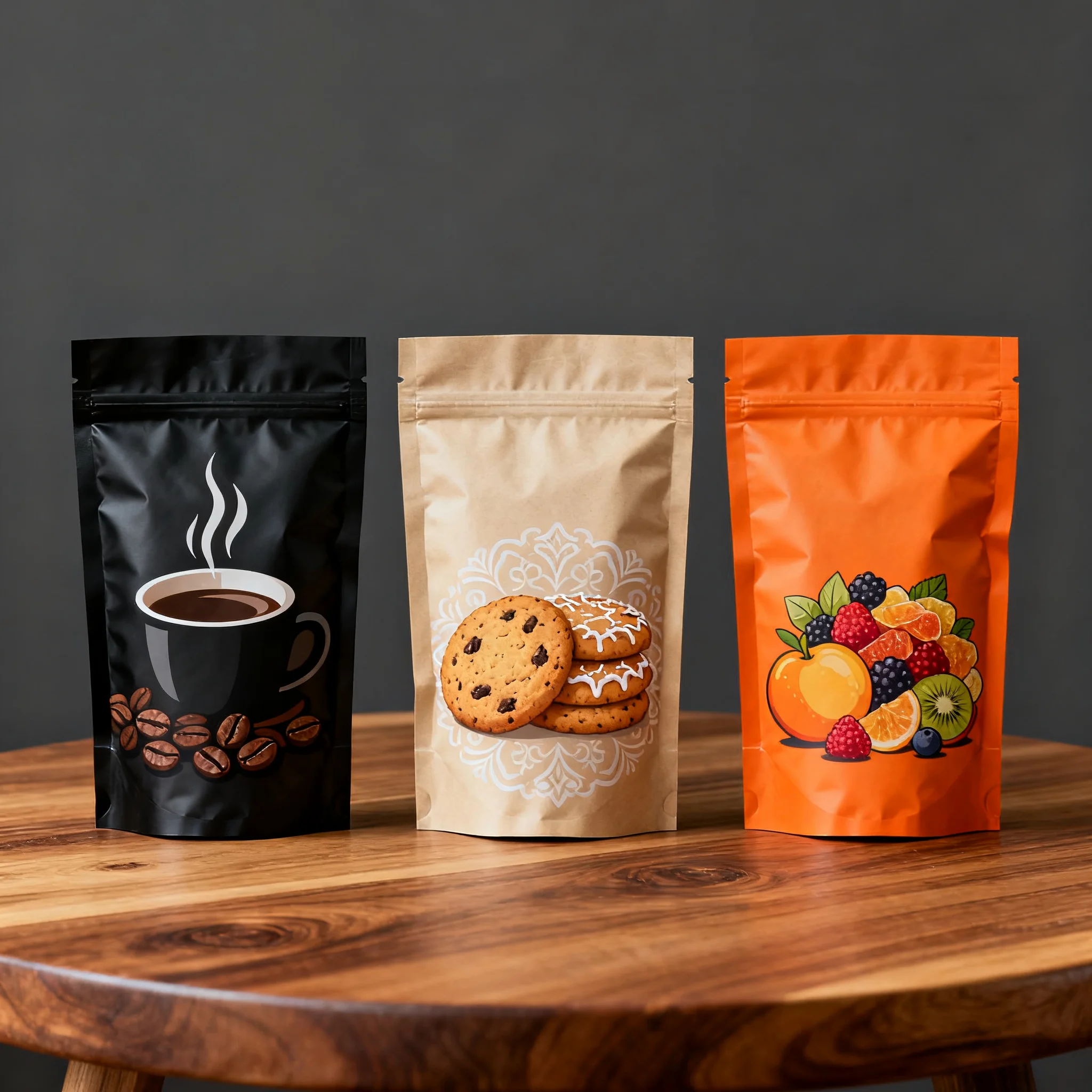
Professional Food Package Printing Solutions - High-Quality, Food-Safe & Sustainable Packaging

Contact me immediately if you encounter problems!

All Categories

Get a Free Quote

Our representative will contact you soon.
Email
Name
Company Name
Message
0/1000

food package printing

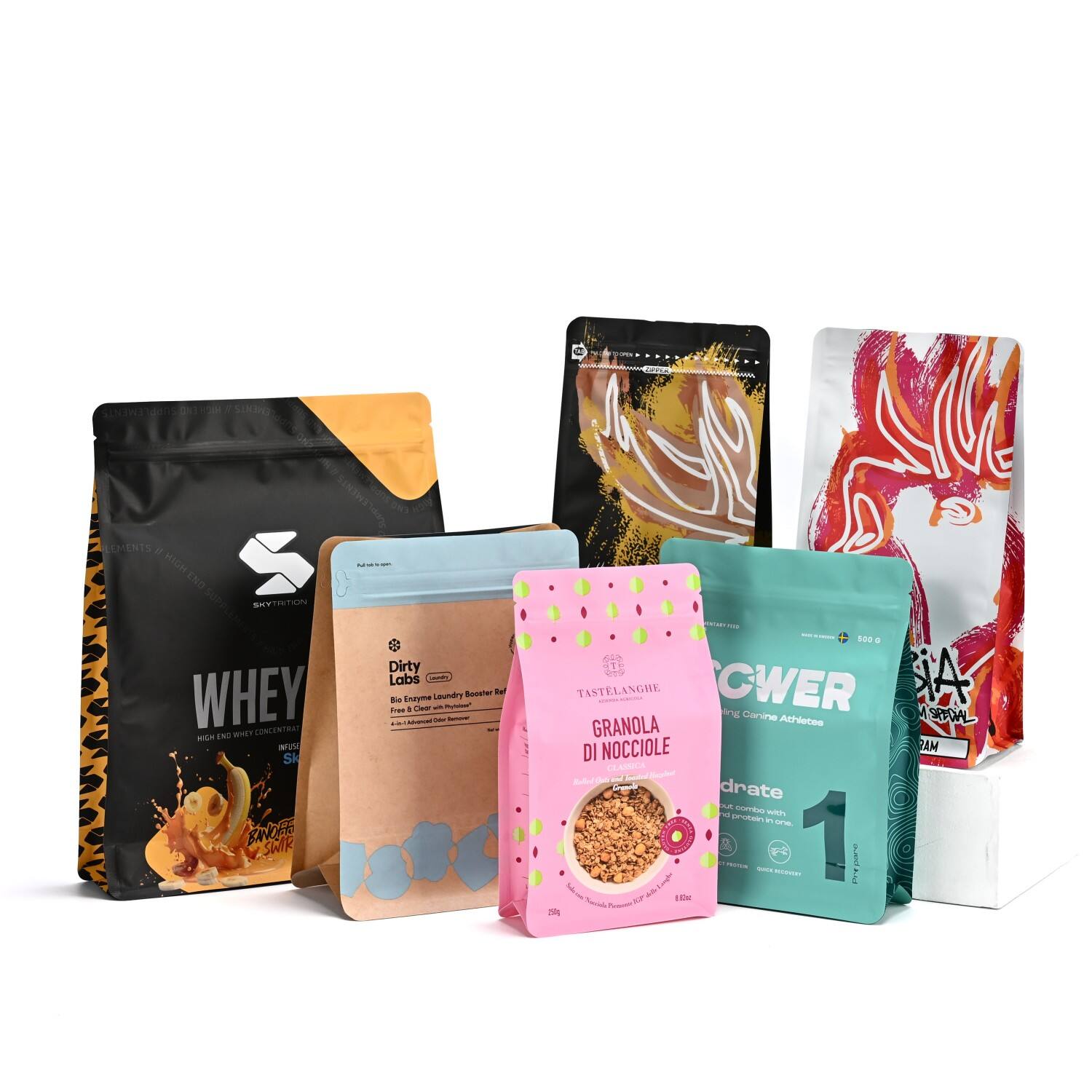
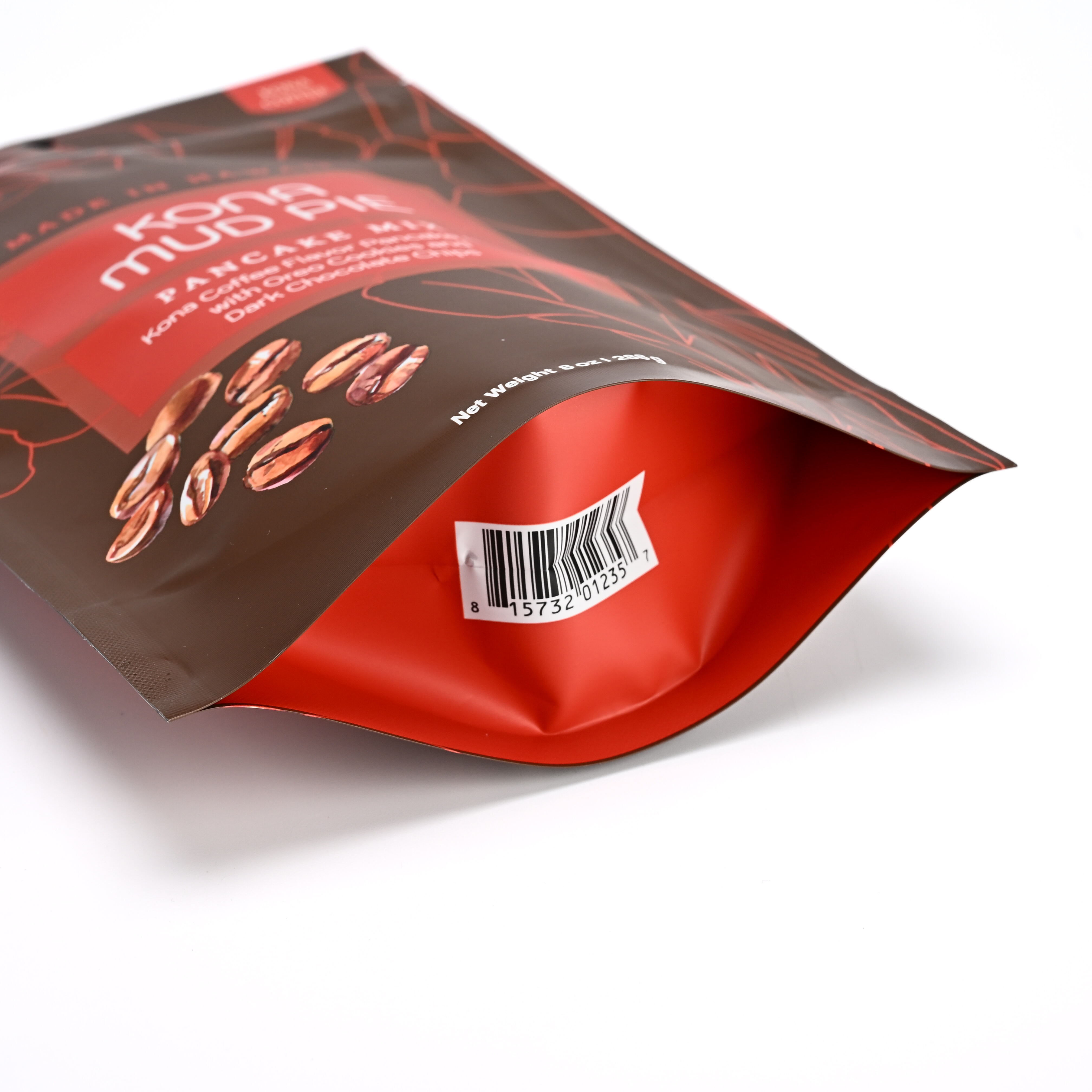
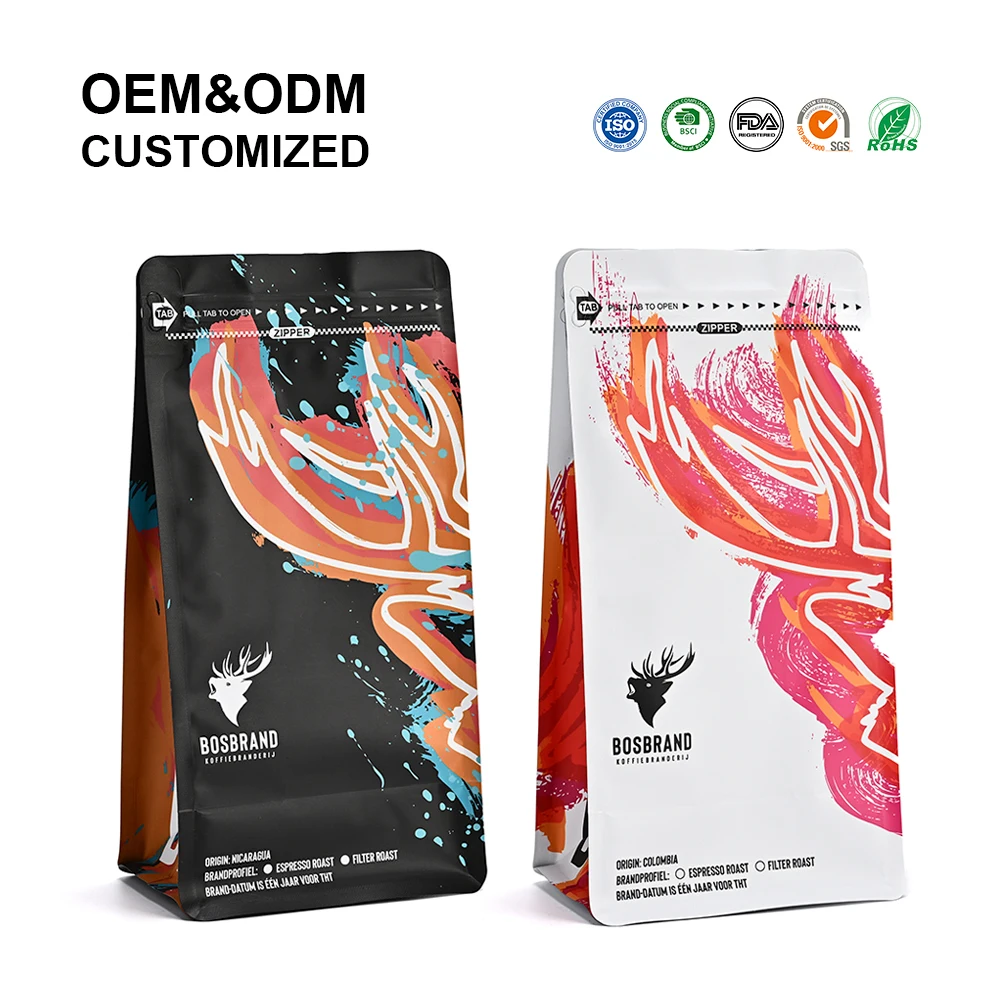
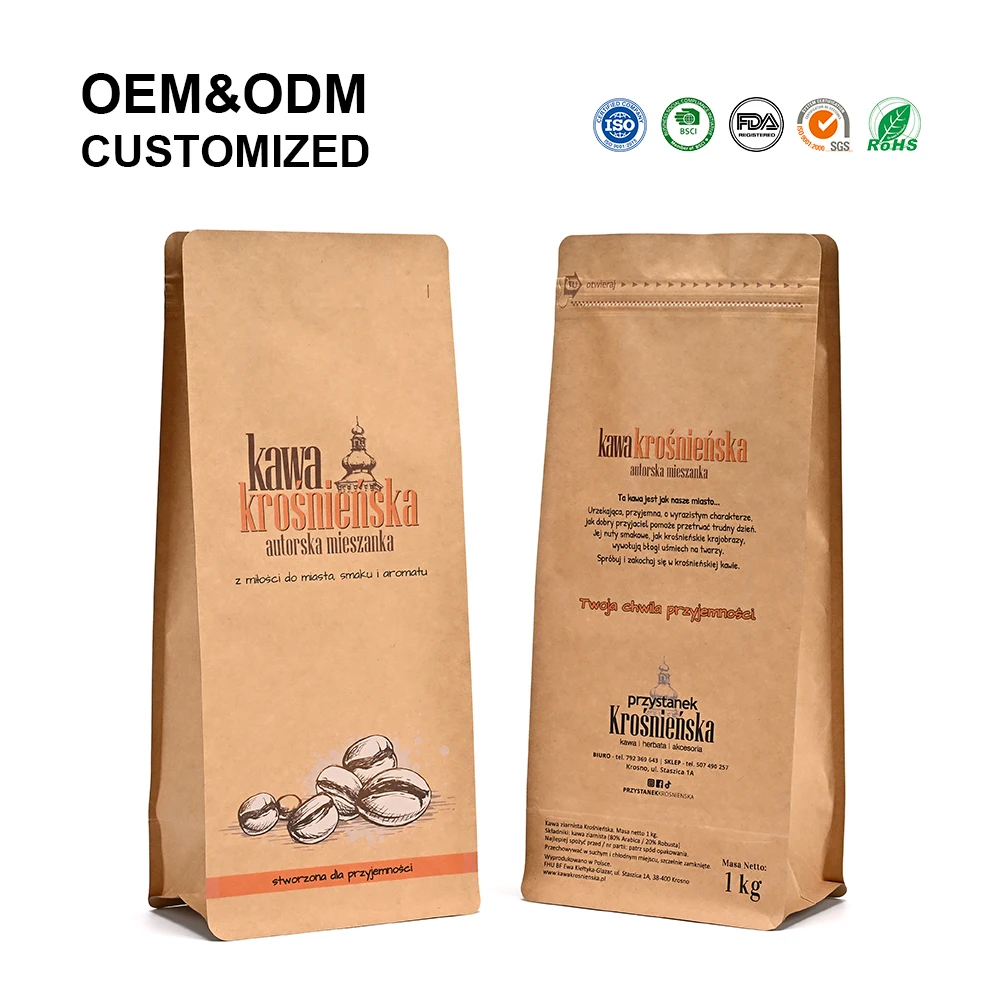
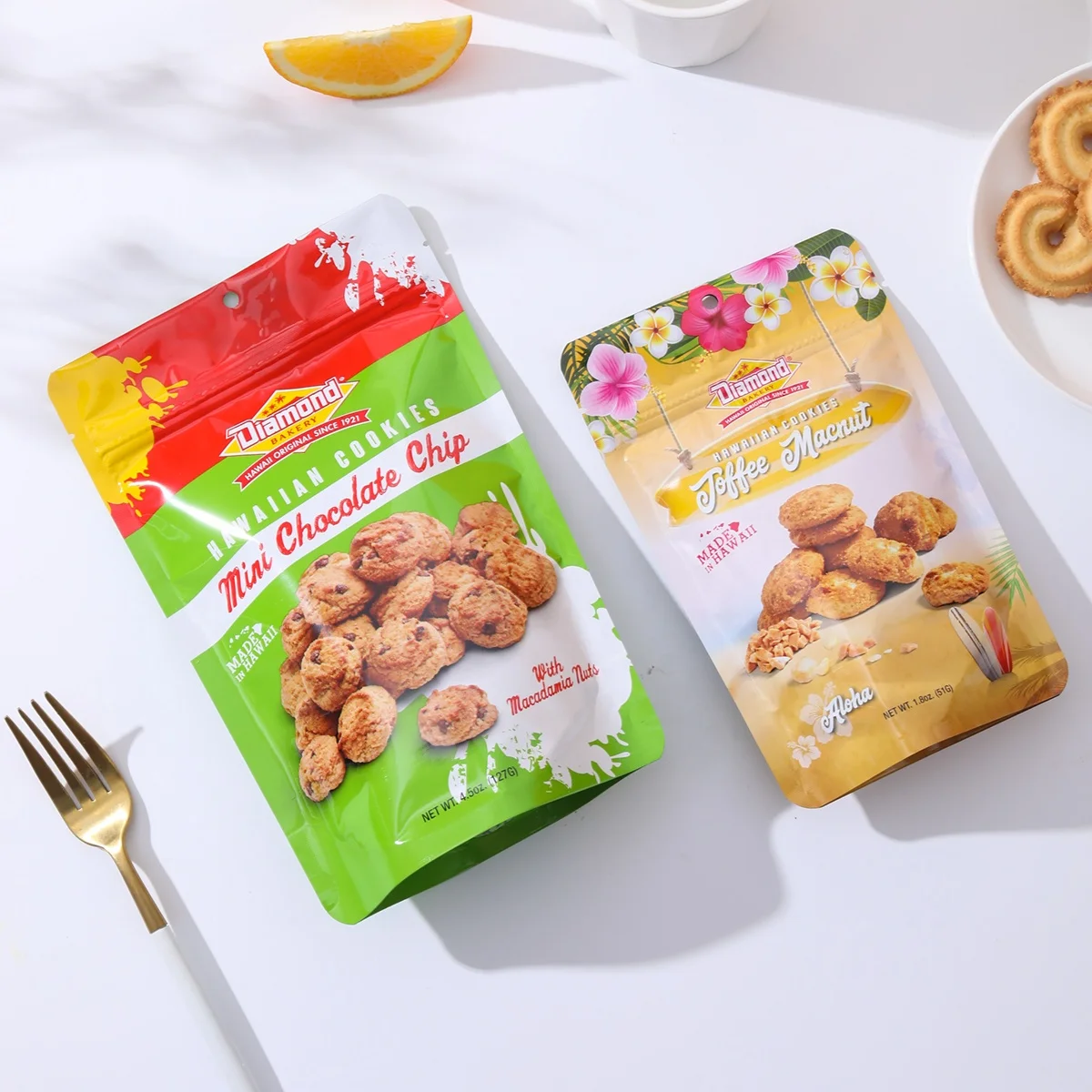
Food package printing represents a sophisticated manufacturing process that transforms ordinary packaging materials into branded, informative, and visually appealing containers for consumable products. This specialized printing technology encompasses various techniques including flexographic, digital, gravure, and offset printing methods, each tailored to meet specific packaging requirements. The primary function of food package printing extends beyond mere aesthetics, serving as a critical communication tool between manufacturers and consumers while ensuring product safety and regulatory compliance. Modern food package printing systems integrate advanced color management technologies, precise registration controls, and high-speed production capabilities to deliver consistent, high-quality results across diverse packaging substrates. These systems accommodate multiple materials including flexible films, rigid containers, labels, and corrugated boxes, adapting to various food industry needs. The technological features of contemporary food package printing equipment include automated ink mixing systems, real-time quality monitoring, and precision die-cutting capabilities that ensure accurate reproduction of complex designs and mandatory information. Food-safe ink formulations play a crucial role in this process, utilizing specialized chemistry that prevents migration of harmful substances into food products while maintaining vibrant colors and sharp text clarity. The applications of food package printing span across numerous sectors within the food industry, from fresh produce labeling to complex multi-layer flexible packaging for processed foods. Beverage manufacturers rely on food package printing for bottle labels, can decorations, and carton graphics that must withstand various environmental conditions during distribution and storage. Frozen food packaging requires specialized printing techniques that maintain legibility and visual appeal despite temperature fluctuations and moisture exposure. The integration of smart packaging technologies has revolutionized food package printing, incorporating QR codes, RFID tags, and variable data printing that enable traceability, authentication, and enhanced consumer engagement throughout the supply chain.
New Product Recommendations

Food package printing offers numerous compelling advantages that directly impact business success and consumer satisfaction in today's competitive marketplace. The most significant benefit lies in enhanced brand recognition and shelf appeal, as professionally printed packaging creates immediate visual impact that attracts consumer attention and differentiates products from competitors. This visual distinction translates into increased sales volumes and stronger market positioning, particularly important in crowded retail environments where products compete for limited consumer attention spans. Cost-effectiveness represents another major advantage of modern food package printing systems, as advanced technologies reduce waste, minimize setup times, and optimize ink usage while maintaining superior print quality. These efficiency improvements lower overall production costs and enable manufacturers to achieve better profit margins without compromising visual appeal or regulatory compliance. The versatility of food package printing allows businesses to adapt quickly to market demands, seasonal promotions, and product variations without significant equipment changes or lengthy lead times. This flexibility proves invaluable for companies launching new products, conducting limited-time campaigns, or responding to consumer preferences in dynamic market conditions. Quality consistency stands as a fundamental advantage that food package printing delivers through automated color matching, precision registration systems, and real-time monitoring technologies. These features ensure that every package meets exact specifications, maintaining brand integrity across production runs and geographic markets while reducing costly reprints and customer complaints. Speed and efficiency in food package printing operations enable manufacturers to meet tight delivery schedules and respond rapidly to urgent orders, providing competitive advantages in fast-moving consumer goods markets. Advanced printing systems process large volumes quickly while maintaining exceptional quality standards, supporting high-volume production requirements without bottlenecks or delays. Regulatory compliance becomes more manageable through food package printing systems that automatically verify mandatory information placement, font sizes, and content accuracy according to government standards. This automation reduces human error risks and ensures consistent compliance across all products, protecting manufacturers from potential legal issues and costly recalls. Environmental sustainability benefits emerge from modern food package printing technologies that utilize eco-friendly inks, reduce material waste, and optimize energy consumption during production processes, supporting corporate environmental goals while appealing to environmentally conscious consumers.

Practical Tips

Bridging Performance and Sustainability: The Dual Role of PE/EVOH/PE in Modern Food Packaging

26

Dec

Bridging Performance and Sustainability: The Dual Role of PE/EVOH/PE in Modern Food Packaging

View More
Smart Packaging: From Passive Containers to Active Food Preservation Partners

11

Dec

Smart Packaging: From Passive Containers to Active Food Preservation Partners

View More
The Silent Salesman: How Packaging Design Psychology Drives Consumer Choice in the Digital Age

11

Dec

The Silent Salesman: How Packaging Design Psychology Drives Consumer Choice in the Digital Age

View More

Get a Free Quote

Our representative will contact you soon.
Email
Name
Company Name
Message
0/1000

food package printing

Advanced Color Management and Brand Consistency

Advanced Color Management and Brand Consistency

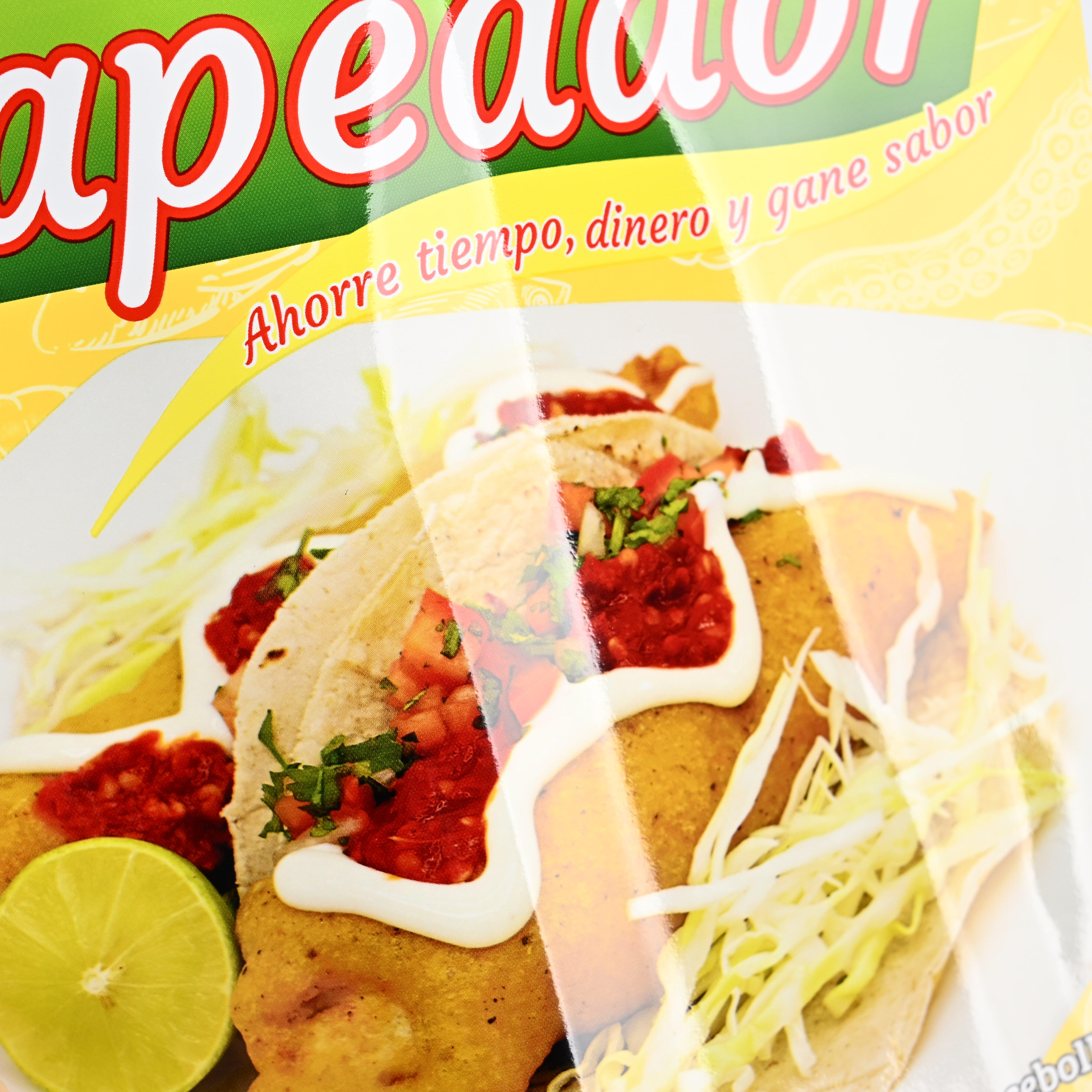
Food package printing systems incorporate sophisticated color management technologies that ensure precise color reproduction across different production runs, materials, and printing conditions. This advanced capability utilizes spectrophotometric color matching, automated ink dispensing systems, and closed-loop color control mechanisms that continuously monitor and adjust color parameters during production. The importance of consistent color reproduction cannot be overstated in food packaging applications, where brand recognition depends heavily on maintaining exact color specifications that consumers associate with specific products. These systems maintain color accuracy within extremely tight tolerances, typically achieving delta-E values below 2.0, which represents the threshold of human color perception differences. The technology employs sophisticated algorithms that compensate for variables such as substrate characteristics, ink opacity, printing speed, and environmental conditions that traditionally caused color variations in conventional printing processes. For food manufacturers, this translates into packages that maintain identical visual appearance whether produced in January or December, at the beginning or end of a production run, or across different manufacturing facilities. The economic impact of superior color consistency extends beyond aesthetic considerations, as it eliminates costly reprints, reduces waste from off-specification packages, and prevents brand dilution that occurs when products appear inconsistent on retail shelves. Furthermore, advanced color management in food package printing enables manufacturers to achieve complex color gradients, photographic reproductions, and metallic effects that enhance premium positioning and consumer appeal. The system's ability to work with expanded color gamuts and specialty inks opens creative possibilities for packaging designers while maintaining the reliability and consistency that food safety regulations demand. This technological advancement particularly benefits companies with multiple product lines or seasonal variations, as it ensures that all products maintain cohesive brand identity while accommodating design flexibility requirements.
High-Speed Production with Quality Assurance Integration

High-Speed Production with Quality Assurance Integration

Modern food package printing systems combine exceptional production speeds with integrated quality assurance mechanisms that monitor every aspect of the printing process in real-time. These sophisticated systems operate at speeds exceeding 1000 feet per minute while maintaining microscopic precision in registration, color density, and print defect detection. The integration of machine vision systems, automated inspection cameras, and artificial intelligence algorithms enables immediate identification and correction of printing anomalies before they result in waste or quality issues. This high-speed capability with built-in quality control represents a revolutionary advancement over traditional printing methods that required separate inspection processes and manual quality checks. The technology employs multiple scanning systems that continuously examine printed materials for color consistency, registration accuracy, text legibility, and surface defects while packages move through the printing process at full production speed. When deviations from quality standards are detected, the system automatically adjusts printing parameters or stops production to prevent defective packages from continuing through the manufacturing process. For food manufacturers, this means dramatically reduced waste, improved efficiency, and consistent product quality that meets stringent food safety and regulatory requirements. The economic benefits extend beyond waste reduction, as high-speed food package printing enables manufacturers to meet aggressive delivery schedules, respond quickly to market demands, and maintain competitive pricing through improved production efficiency. The system's ability to handle rapid changeovers between different package designs or sizes further enhances productivity by minimizing downtime during product transitions. Quality assurance integration also provides comprehensive production data that enables manufacturers to analyze trends, optimize processes, and demonstrate compliance with quality management systems required by food industry certifications. This combination of speed and quality control particularly benefits high-volume food producers who must balance production efficiency with uncompromising quality standards in increasingly competitive markets.
Sustainable and Food-Safe Printing Solutions

Sustainable and Food-Safe Printing Solutions

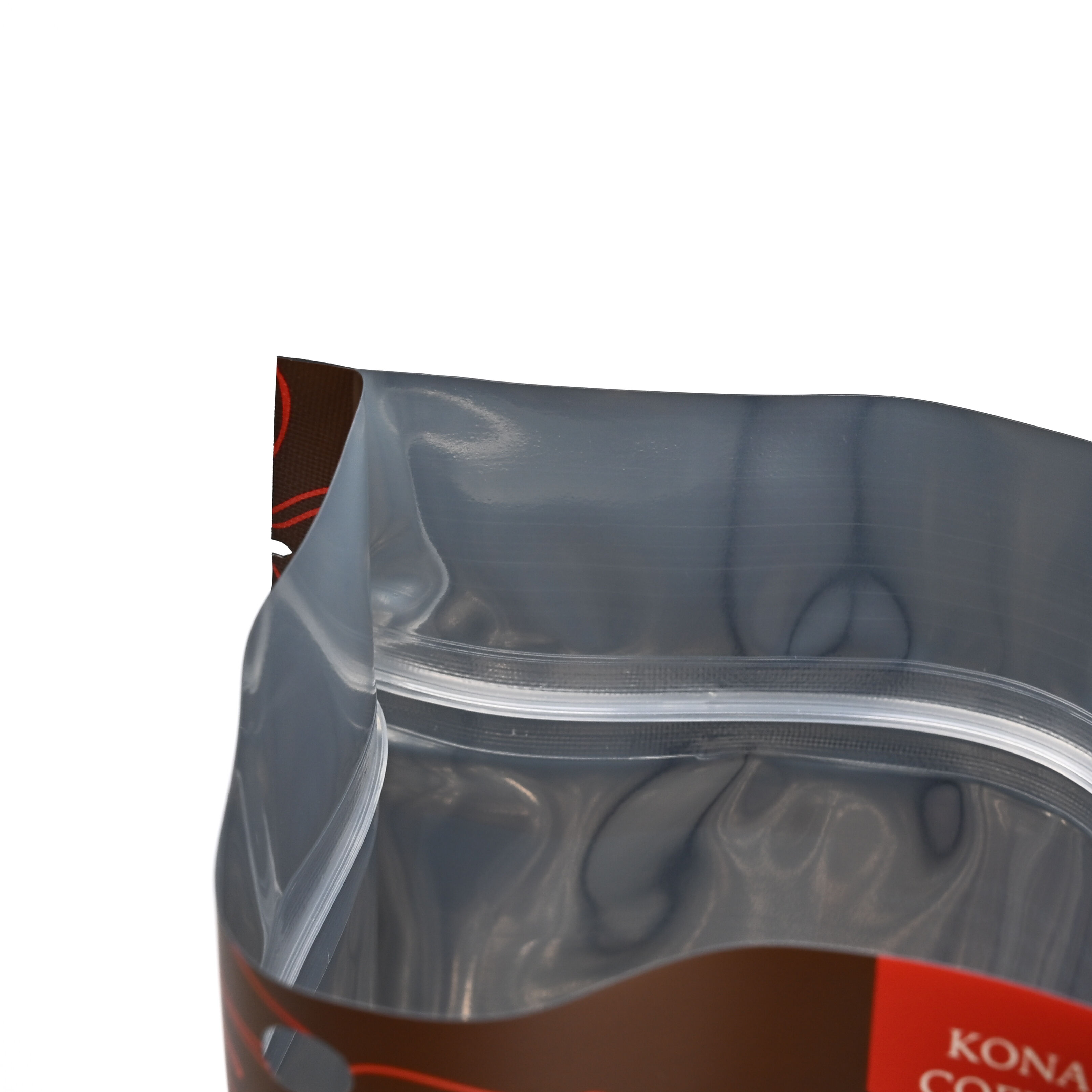
Food package printing has evolved to incorporate environmentally sustainable practices and food-safe technologies that address growing consumer concerns about environmental impact and food contamination risks. These advanced systems utilize water-based inks, UV-curable formulations, and other eco-friendly chemistry that eliminates or dramatically reduces volatile organic compounds traditionally associated with packaging printing processes. The food-safe aspect of these printing solutions involves rigorous testing and certification processes that ensure printed materials meet stringent migration limits, preventing any transfer of potentially harmful substances from packaging to food products. This dual focus on environmental responsibility and food safety creates significant value for manufacturers who must balance regulatory compliance, consumer expectations, and corporate sustainability goals. The sustainable printing technologies incorporate energy-efficient curing systems, waste reduction mechanisms, and recyclable material compatibility that support circular economy principles while maintaining superior print quality and durability. LED curing systems, for example, consume significantly less energy than traditional thermal curing while providing instant on-off capability that eliminates warm-up waste and reduces overall energy consumption by up to 70 percent. These systems also generate less heat, creating more comfortable working conditions and reducing air conditioning requirements in production facilities. Food-safe ink formulations undergo extensive testing protocols including migration studies, sensory evaluations, and chemical analysis to ensure compliance with FDA, EU, and other international food contact regulations. The certification processes involve independent laboratory testing that validates the safety of printed packaging materials under various storage conditions, temperature ranges, and food contact scenarios. For manufacturers, these sustainable and food-safe printing solutions provide competitive advantages by enabling marketing claims about environmental responsibility while ensuring complete compliance with increasingly strict food safety regulations. The technology also supports consumer trends toward sustainable packaging by enabling the use of recycled materials, biodegradable substrates, and packaging designs that minimize material usage without compromising protection or visual appeal. This comprehensive approach to sustainability and food safety particularly benefits organic food producers, premium brands, and companies with strong environmental corporate values.

Get a Free Quote

Our representative will contact you soon.
Email
Name
Company Name
Message
0/1000