Contact me immediately if you encounter problems!

All Categories

Get a Free Quote

Our representative will contact you soon.
Email
Name
Company Name
Message
0/1000

How to Choose Between Press-to-Close and Slider Zipper Bags.

2026-05-02 14:30:00
How to Choose Between Press-to-Close and Slider Zipper Bags.

Selecting the right closure mechanism for your packaging can significantly impact product protection, user convenience, and brand perception. Press-to-close and slider zipper bags represent two distinct approaches to resealable packaging, each offering unique advantages for different applications. Understanding the functional differences, operational requirements, and end-user expectations tied to these closure types is essential for businesses seeking to optimize their packaging strategy. This decision extends beyond simple mechanical preference, influencing manufacturing costs, supply chain logistics, consumer satisfaction, and even regulatory compliance in certain industries.

zipper bags

The choice between press-to-close and slider mechanisms depends on multiple factors including target market demographics, product characteristics, usage frequency patterns, and price positioning. Press-to-close zipper bags require manual pinching along the seal to achieve closure, offering simplicity and cost-effectiveness. Slider zipper bags incorporate a mechanical slider component that glides along the zipper track, providing enhanced ease of use particularly for consumers with limited hand strength or dexterity challenges. Both closure systems serve the fundamental purpose of maintaining product freshness and preventing contamination, but their performance profiles diverge significantly across real-world applications. Making an informed choice requires examining operational mechanics, evaluating end-user interaction patterns, and aligning packaging features with specific business objectives.

Understanding the Mechanical Differences Between Closure Systems

Press-to-Close Zipper Construction and Function

Press-to-close zipper bags utilize interlocking plastic ridges that create a hermetic seal when pressed together along the entire closure length. This traditional closure mechanism relies on the user applying consistent pressure across the zipper track, ensuring the male and female profile elements engage properly. The simplicity of this design translates to fewer components, reduced manufacturing complexity, and lower per-unit production costs. Press-to-close zipper bags typically feature either a single-track or dual-track configuration, with dual-track designs offering enhanced seal integrity for applications requiring superior barrier properties. The tactile feedback of the closure process allows users to verify proper sealing through both sound and resistance, providing sensory confirmation of secure closure.

The material composition of press-to-close zipper bags commonly involves polyethylene or polypropylene resins that offer flexibility, durability, and chemical resistance. These materials maintain their sealing properties across repeated open-close cycles, though performance gradually degrades with extensive use. The absence of additional mechanical components means press-to-close systems exhibit fewer potential failure points, contributing to consistent performance across production batches. Manufacturing processes for these zipper bags involve heat sealing or ultrasonic welding techniques that integrate the zipper profile directly into the bag structure, creating a unified assembly that withstands handling stresses throughout distribution and consumer use.

Slider Zipper Mechanism and Operational Advantages

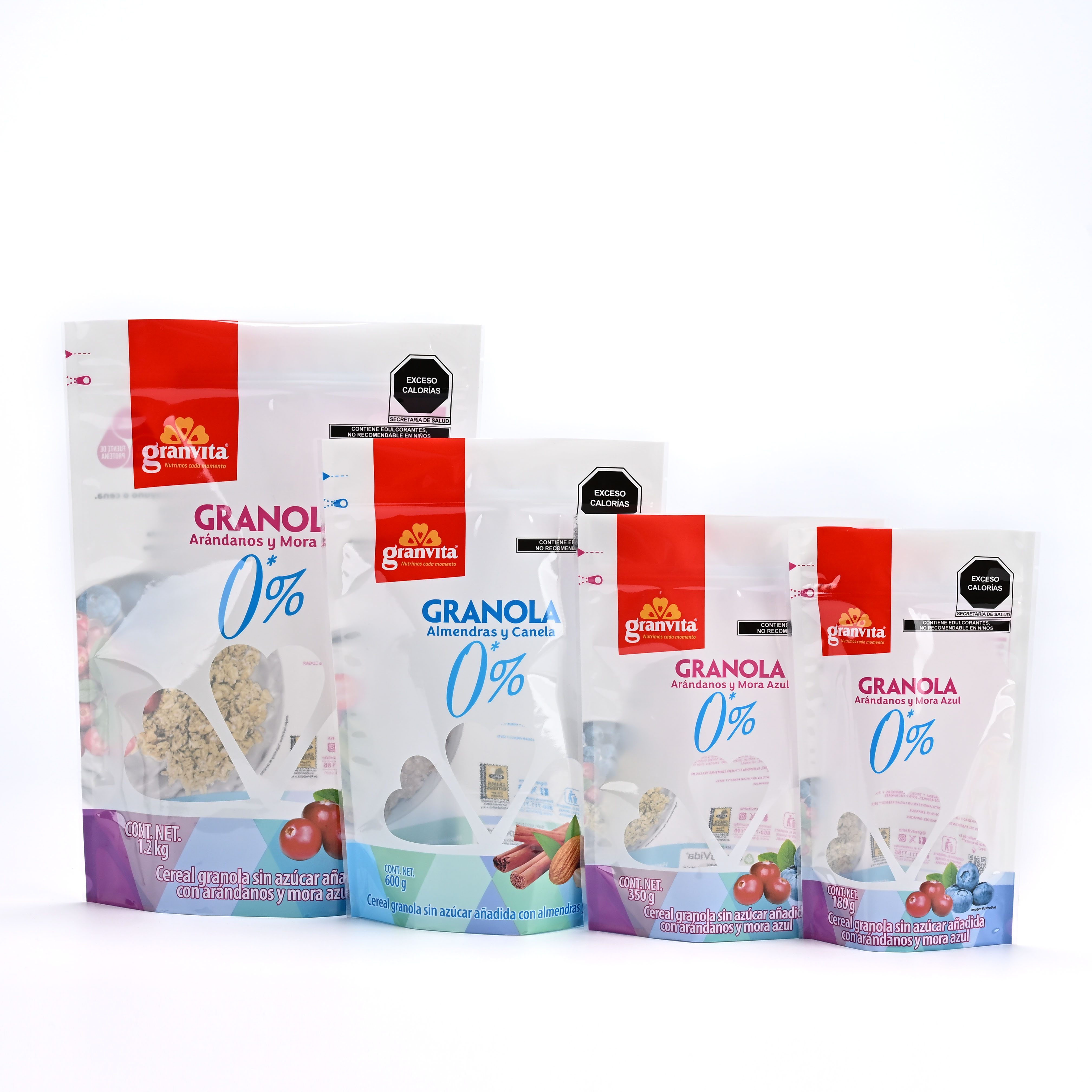
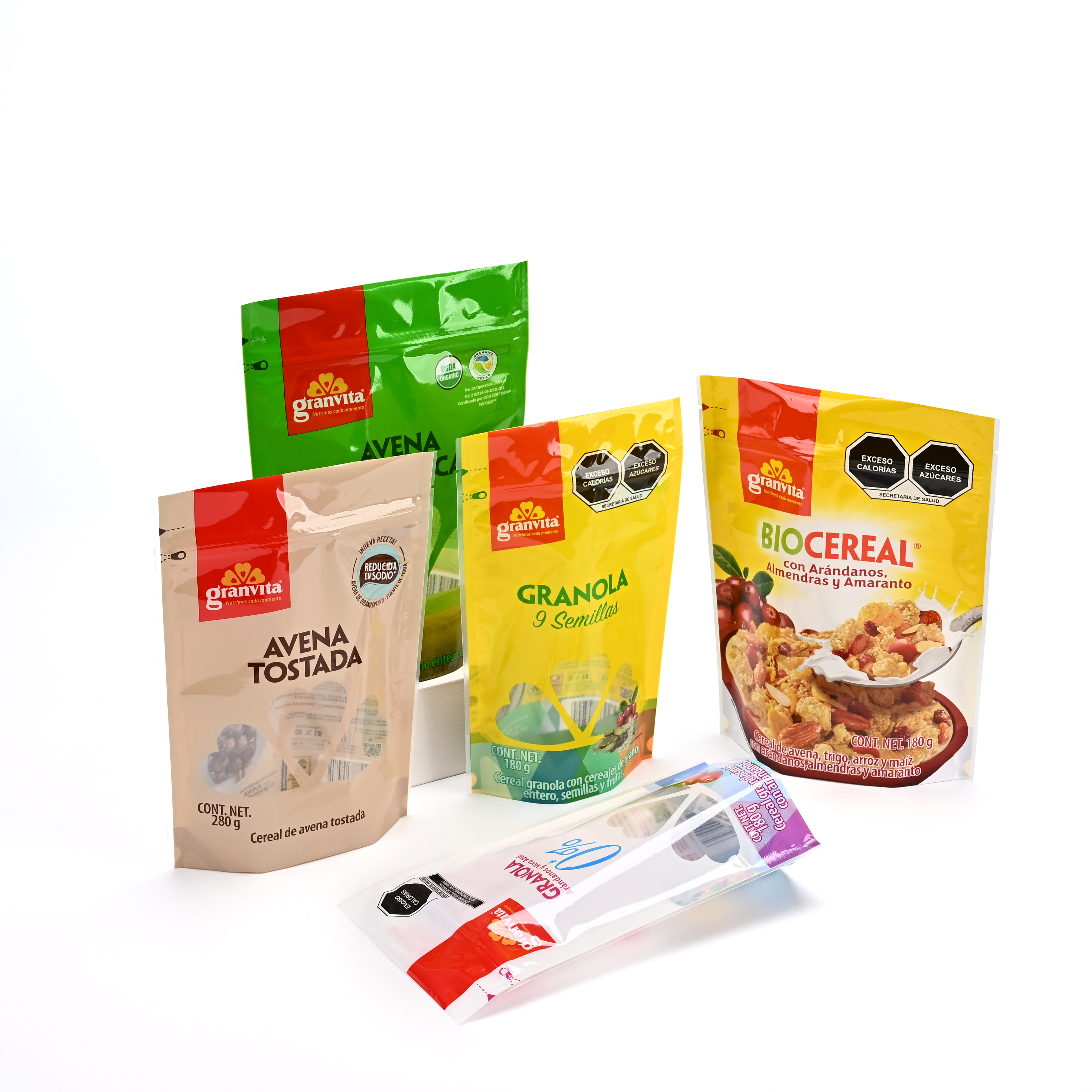
Slider zipper bags incorporate a plastic slider component that travels along the zipper track, automatically engaging and disengaging the interlocking elements as it moves. This mechanical advantage significantly reduces the manual effort required for closure, making these zipper bags particularly suitable for products that experience frequent opening throughout their use cycle. The slider mechanism ensures consistent pressure distribution along the entire seal line, minimizing the risk of incomplete closure that can occur with manual press-to-close systems. This automated engagement feature proves especially valuable for consumers with arthritis, reduced hand strength, or motor control limitations, expanding accessibility for diverse user populations.

The slider component itself represents an additional manufacturing consideration, introducing a separate part that must be sourced, assembled, and quality-controlled. Modern slider designs incorporate features such as end stops that prevent accidental slider removal, and some advanced versions include lock mechanisms that secure the slider in the closed position to prevent unintended opening during transportation. The material selection for slider components typically involves more rigid plastics such as polystyrene or acrylonitrile butadiene styrene, chosen for their dimensional stability and wear resistance. These materials must maintain smooth gliding action across thousands of open-close cycles while resisting degradation from environmental exposure and handling stresses.

Comparative Seal Integrity and Barrier Performance

Seal integrity represents a critical performance dimension where press-to-close and slider zipper bags exhibit measurable differences under controlled testing conditions. Press-to-close systems depend entirely on user technique for achieving optimal seal quality, introducing variability based on individual application method and attention to closure completeness. Studies of consumer sealing behavior reveal that incomplete closure occurs more frequently with press-to-close designs, particularly when users apply pressure unevenly or fail to seal the entire track length. This variability can impact product shelf life, moisture protection, and contamination prevention in sensitive applications.

Slider zipper bags typically demonstrate more consistent seal integrity across user populations because the slider mechanism automatically applies uniform pressure as it traverses the track. This mechanical advantage reduces seal failure rates and provides more predictable barrier performance in applications where product protection is paramount. However, the slider component itself introduces potential failure modes not present in press-to-close systems, including slider detachment, track wear, and guide rail degradation. Quantitative testing using pressure decay methods and dye penetration studies reveals that properly closed slider mechanisms generally achieve equivalent or superior seal integrity compared to correctly applied press-to-close systems, but this advantage diminishes if slider components experience wear or damage.

Application-Specific Selection Criteria for Different Product Categories

Food Product Packaging Considerations

Food packaging represents the largest application category for both press-to-close and slider zipper bags, with selection decisions driven by product characteristics, consumption patterns, and regulatory requirements. Dry goods such as coffee, pet food, and snack products often utilize press-to-close zipper bags due to favorable economics and adequate functionality for products consumed relatively quickly after initial opening. The lower cost structure of press-to-close systems allows manufacturers to incorporate resealable features without significantly impacting retail price points, maintaining competitive positioning in price-sensitive categories. These zipper bags provide sufficient moisture barrier and oxygen exclusion for shelf-stable products that do not require absolute hermetic protection.

Products requiring frequent access throughout extended use periods demonstrate clear advantages with slider zipper bags, including shredded cheese, deli meats, frozen fruits, and prepared salads. The ease of operation encourages consumers to properly reseal the package after each use, maintaining product quality throughout the consumption cycle. Food safety considerations favor slider mechanisms in applications where incomplete closure could accelerate spoilage or enable contamination, particularly for refrigerated products with limited shelf life. The enhanced user experience provided by slider mechanisms can justify the incremental cost increase in premium product segments where convenience features drive purchasing decisions and support brand differentiation strategies.

Non-Food Consumer Goods Applications

Consumer goods beyond food categories present distinct packaging requirements that influence closure mechanism selection. Health and beauty products, including cosmetic wipes, cotton balls, and bath accessories, benefit from slider zipper bags when moisture control and contamination prevention are critical to maintaining product efficacy. The one-handed operation capability of slider mechanisms proves particularly valuable in bathroom environments where users may have wet or occupied hands. Press-to-close zipper bags find widespread use in craft supplies, hardware components, and toy storage applications where cost efficiency outweighs operational convenience considerations.

Electronic accessories, small tools, and replacement parts frequently utilize press-to-close zipper bags as economical packaging solutions that provide adequate protection against dust and moisture while facilitating product visibility through clear film constructions. These applications typically involve infrequent opening after initial purchase, reducing the importance of ease-of-use features that justify slider mechanisms. Medical and pharmaceutical products subject to stringent regulatory oversight may specify either closure type based on validation testing that demonstrates adequate tamper evidence, child resistance, or barrier performance. The selection process in regulated industries requires documentation of closure system performance under specified environmental conditions and use protocols.

Industrial and B2B Packaging Requirements

Industrial packaging applications for components, fasteners, chemicals, and raw materials evaluate closure mechanisms based on durability, contamination control, and operational efficiency in warehouse environments. Press-to-close zipper bags dominate cost-sensitive industrial applications where packaging primarily serves containment and identification functions rather than repeated access convenience. The robust construction and simple design of press-to-close systems withstand the handling rigors of distribution networks and storage facilities without requiring special user training or operational protocols. These bags accommodate heavy fill weights and sharp-edged contents that might damage slider mechanisms through abrasion or impact forces.

Slider zipper bags find application in industrial settings where workers wearing protective gloves need to access contents repeatedly throughout production shifts. The mechanical advantage of slider systems enables reliable closure even when manual dexterity is compromised by glove thickness or cold temperatures in refrigerated environments. Chemical packaging applications may specify slider mechanisms to ensure consistent seal integrity that prevents vapor loss or contamination exposure, particularly when contents represent hazardous materials requiring controlled handling protocols. The selection decision balances the higher initial cost of slider mechanisms against operational benefits including reduced product loss, enhanced worker safety, and improved inventory management through secure reclosure capabilities.

Cost Analysis and Economic Decision Frameworks

Direct Manufacturing Cost Differentials

The material and production cost differences between press-to-close and slider zipper bags significantly impact packaging budgets, particularly for high-volume applications. Press-to-close systems typically cost fifteen to thirty percent less than comparable slider configurations, reflecting the simpler component structure and streamlined manufacturing processes. This cost advantage scales with production volume, creating substantial savings for products packaged in millions of units annually. The lower tooling complexity for press-to-close zipper bags also reduces initial setup costs and enables faster production line changeovers, providing operational flexibility for manufacturers serving diverse product portfolios.

Slider mechanisms introduce additional cost elements including slider component procurement, assembly integration, and quality control verification of mechanical function. These incremental expenses must be justified through enhanced functionality that supports premium pricing, reduces product loss through improved seal integrity, or decreases customer complaints related to closure difficulties. Economic modeling for packaging selection should incorporate total cost of ownership calculations that extend beyond per-unit material costs to include impacts on shelf life extension, return rates, and brand perception metrics. In some applications, the superior seal consistency of slider mechanisms reduces product spoilage sufficiently to offset the higher packaging cost through decreased waste and improved inventory turns.

Consumer Perception and Willingness to Pay

Market research consistently demonstrates that consumers associate slider zipper bags with premium quality and enhanced convenience, creating opportunities for brands to justify higher retail price points in competitive categories. The tangible benefit of easier opening and closing translates to measurable consumer preference in blind comparison studies, particularly among demographic segments including elderly consumers, parents managing children, and individuals with physical limitations. This perception premium varies by product category, with stronger effects observed in frequently accessed products such as snack foods and refrigerated items where closure convenience directly impacts daily user experience.

Brand differentiation strategies increasingly leverage packaging features as competitive advantages in mature product categories where formulation differences provide limited basis for distinction. Upgrading from press-to-close to slider mechanisms can signal product improvement and justify package redesigns that refresh brand positioning. However, consumer willingness to pay premiums for slider functionality shows category-specific variation, with limited price elasticity in commodity categories and stronger acceptance in specialty or health-focused segments. Packaging decisions must align with overall brand architecture and price tier positioning to maintain consistency across product portfolios while addressing specific functional requirements of individual items.

Sustainability Considerations and Lifecycle Impacts

Environmental sustainability assessments reveal nuanced differences between press-to-close and slider zipper bags across material consumption, recyclability, and end-of-life disposal pathways. Press-to-close systems utilize less total plastic material due to simpler construction, creating a smaller environmental footprint in production and transportation phases. The mono-material construction of many press-to-close designs facilitates recycling through standard polyethylene recovery streams, although actual recycling rates remain low due to contamination and collection challenges. Slider mechanisms introduce multi-material complexity that complicates mechanical recycling, as the slider component often comprises different resin types than the bag film.

Lifecycle analysis must consider the extended product protection provided by superior seal integrity, which can reduce food waste and product spoilage representing far larger environmental impacts than packaging material differences. Slider zipper bags that successfully extend product shelf life by several days may deliver net environmental benefits despite higher material consumption, particularly for products with significant production footprints such as meat, cheese, and prepared foods. Emerging biodegradable and compostable film technologies present opportunities for both closure types, though mechanical performance requirements currently limit adoption of alternative materials in demanding applications. Packaging selection frameworks increasingly incorporate circular economy principles that evaluate material source sustainability, use phase efficiency, and end-of-life recovery potential alongside traditional cost and performance metrics.

User Experience Factors and Accessibility Requirements

Demographic Considerations and Physical Accessibility

User testing across diverse demographic groups reveals significant performance differences between press-to-close and slider zipper bags related to age, physical ability, and manual dexterity. Elderly consumers consistently rate slider mechanisms higher for ease of use, citing reduced hand fatigue and lower force requirements compared to press-to-close systems that demand sustained pinching pressure along the entire seal length. Arthritis sufferers report particular difficulty achieving complete closure with press-to-close designs, often resulting in incomplete sealing and subsequent product deterioration. These accessibility challenges affect a substantial market segment, with arthritis prevalence exceeding twenty percent among adults over age sixty in developed markets.

Packaging regulations in some jurisdictions increasingly reference universal design principles that encourage accessible packaging solutions accommodating users with diverse physical capabilities. While not yet mandatory for most consumer products, proactive adoption of accessible closure mechanisms demonstrates corporate social responsibility and expands addressable market reach. Children and adolescents generally manage both closure types effectively, though younger children show higher success rates with slider mechanisms due to the simplified operational sequence. Vision-impaired users benefit from the tactile guidance provided by slider tracks, which offer a physical reference for closure positioning that aids proper alignment without visual feedback.

Usage Context and Environmental Factors

The physical environment and situational context where consumers interact with zipper bags significantly influences closure mechanism performance and user satisfaction. Kitchen environments present moisture, food residue, and multitasking scenarios where one-handed operation capabilities favor slider mechanisms. Users preparing meals frequently have wet or greasy hands that compromise grip effectiveness, making the mechanical advantage of sliders particularly valuable. Press-to-close bags require both hands and clean, dry fingers for optimal closure, creating friction in typical usage scenarios where consumers rush through food storage tasks.

Outdoor recreation applications including camping, hiking, and marine activities demand robust closure mechanisms that function reliably despite environmental challenges such as cold temperatures, moisture exposure, and operation while wearing gloves. Press-to-close systems maintain functionality across wider temperature ranges because they contain no moving parts susceptible to thermal expansion effects or cold-induced embrittlement. Slider mechanisms may experience reduced performance in freezing conditions as film stiffness increases and slider components lose flexibility, potentially causing track disengagement or jamming. Product packaging targeting outdoor enthusiasts should consider typical use conditions and environmental exposure when selecting closure systems, potentially specifying cold-temperature qualified slider designs or selecting press-to-close alternatives for extreme condition applications.

Psychological Factors and Habitual Usage Patterns

Consumer behavior research reveals that closure mechanism selection influences product repurchase intentions through subtle psychological associations and habitual usage patterns. The satisfying tactile and auditory feedback of properly closing zipper bags creates positive reinforcement that enhances overall product experience. Slider mechanisms produce distinctive sound and kinesthetic feedback that consumers associate with secure closure, building confidence in product protection. Press-to-close systems offer similar sensory confirmation through the characteristic sealing sound, though achieving this feedback requires proper technique that not all users consistently apply.

Habitual usage patterns established through repeated interaction shape consumer expectations and influence category norms. Product categories where slider mechanisms dominate create consumer expectations that new entrants must satisfy to avoid perceptions of inferior quality. Conversely, introducing slider systems in press-to-close dominated categories can signal innovation and premium positioning. The learning curve for proper closure technique varies between systems, with press-to-close designs requiring more explicit instruction to ensure consistent sealing success. Packaging graphics and instructional elements play important roles in teaching proper closure technique, particularly for press-to-close systems where incomplete sealing represents a common user error mode.

FAQ

What are the main cost differences between press-to-close and slider zipper bags?

Press-to-close zipper bags typically cost fifteen to thirty percent less than slider zipper bags due to simpler construction and fewer components. This cost differential varies based on bag size, film specification, and order volume. The additional expense of slider mechanisms includes the slider component itself, assembly integration costs, and more complex quality control requirements. For high-volume applications, these per-unit cost differences accumulate significantly, making press-to-close systems more economical when operational convenience is not a critical differentiator. However, total cost analysis should consider potential savings from reduced product spoilage and fewer consumer complaints that slider mechanisms may provide through improved seal consistency.

Which closure type is better for food products that need frequent opening?

Slider zipper bags generally perform better for food products requiring frequent access throughout their consumption cycle, such as shredded cheese, deli meats, and snack foods. The ease of operation encourages consistent reclosure after each use, maintaining product freshness and preventing contamination more effectively than press-to-close systems where user fatigue or improper technique may result in incomplete sealing. The mechanical advantage of slider mechanisms ensures uniform pressure distribution along the seal, creating consistent barrier performance regardless of user strength or dexterity. For products consumed quickly after opening or accessed infrequently, press-to-close systems provide adequate functionality at lower cost, making them suitable for single-serve portions or bulk products with limited resealing requirements.

Can press-to-close zipper bags provide the same seal integrity as slider bags?

Press-to-close zipper bags can achieve equivalent seal integrity to slider bags when users apply proper closure technique, but real-world performance shows greater variability due to human factors. Laboratory testing under controlled conditions demonstrates that correctly sealed press-to-close systems match slider mechanism performance in pressure retention and barrier properties. However, consumer usage studies reveal that incomplete closure occurs more frequently with press-to-close designs, particularly when users rush through the sealing process or fail to apply consistent pressure along the entire track. Slider mechanisms automatically ensure complete engagement as the slider traverses the track, delivering more predictable seal integrity across diverse user populations and usage conditions. Applications requiring absolute seal consistency for product protection or regulatory compliance often favor slider systems despite higher costs.

Are there accessibility advantages to choosing slider zipper bags?

Slider zipper bags offer significant accessibility advantages for consumers with limited hand strength, arthritis, or reduced manual dexterity. The mechanical advantage of the slider component reduces the force required for closure operation by distributing pressure application through the sliding mechanism rather than demanding sustained pinching force along the entire seal length. Elderly consumers, individuals with physical disabilities, and users wearing gloves report substantially better experiences with slider mechanisms compared to press-to-close systems. These accessibility benefits extend market reach to demographic segments that might struggle with traditional closure types and demonstrate corporate commitment to inclusive design principles. For products targeting senior consumers or markets with aging populations, slider mechanisms can provide meaningful differentiation and enhanced user satisfaction that justifies the incremental packaging cost.