 EN
EN

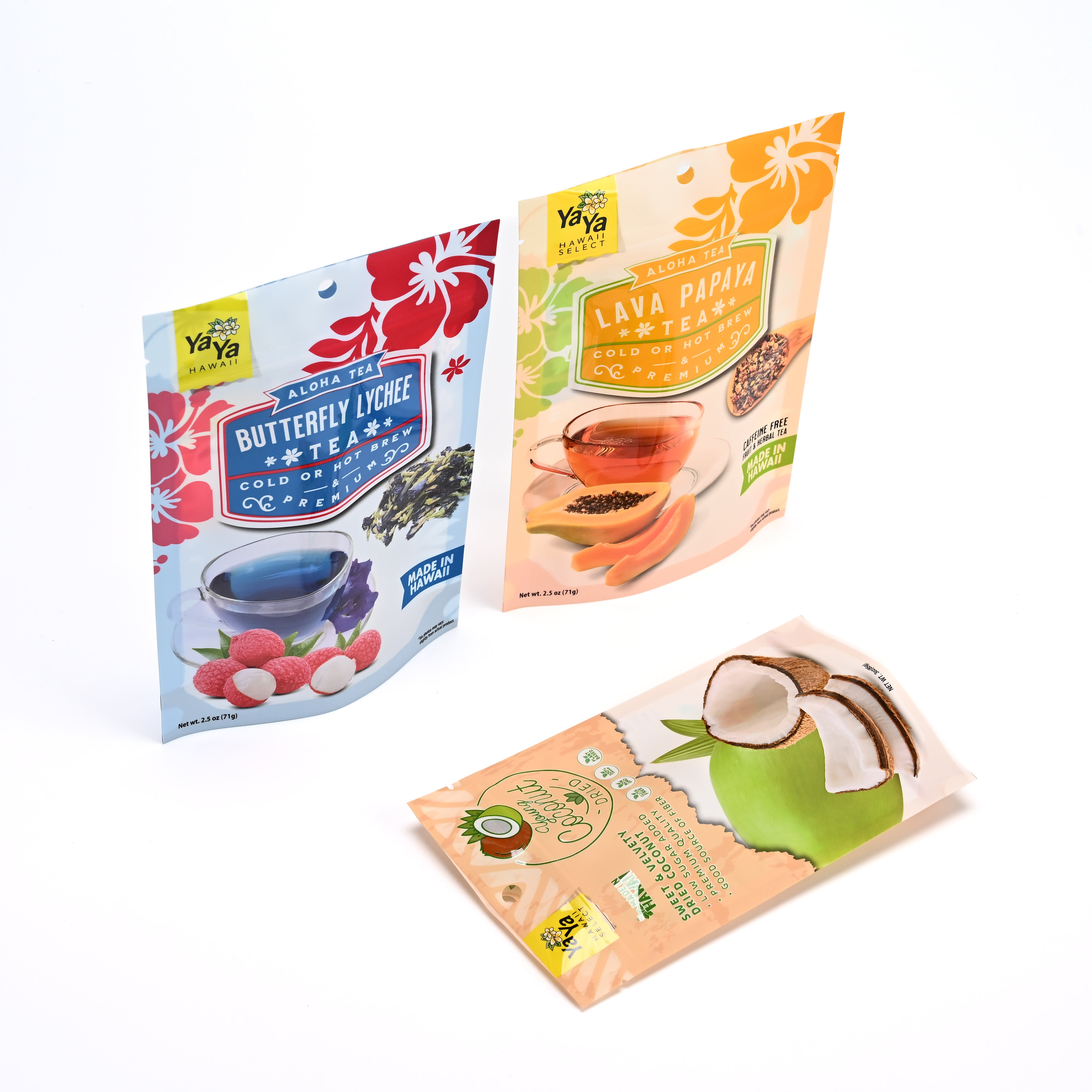
When B2B buyers evaluate packaging solutions for their products, flat bottom bags emerge as a versatile and practical choice that combines visual appeal with functional benefits. These stand-up pouches provide exceptional shelf presence while offering manufacturers the flexibility to create custom packaging that aligns with their brand identity and product requirements. Understanding the customization landscape for flat bottom bags is essential for procurement teams seeking packaging solutions that enhance product presentation while maintaining cost-effectiveness and operational efficiency.
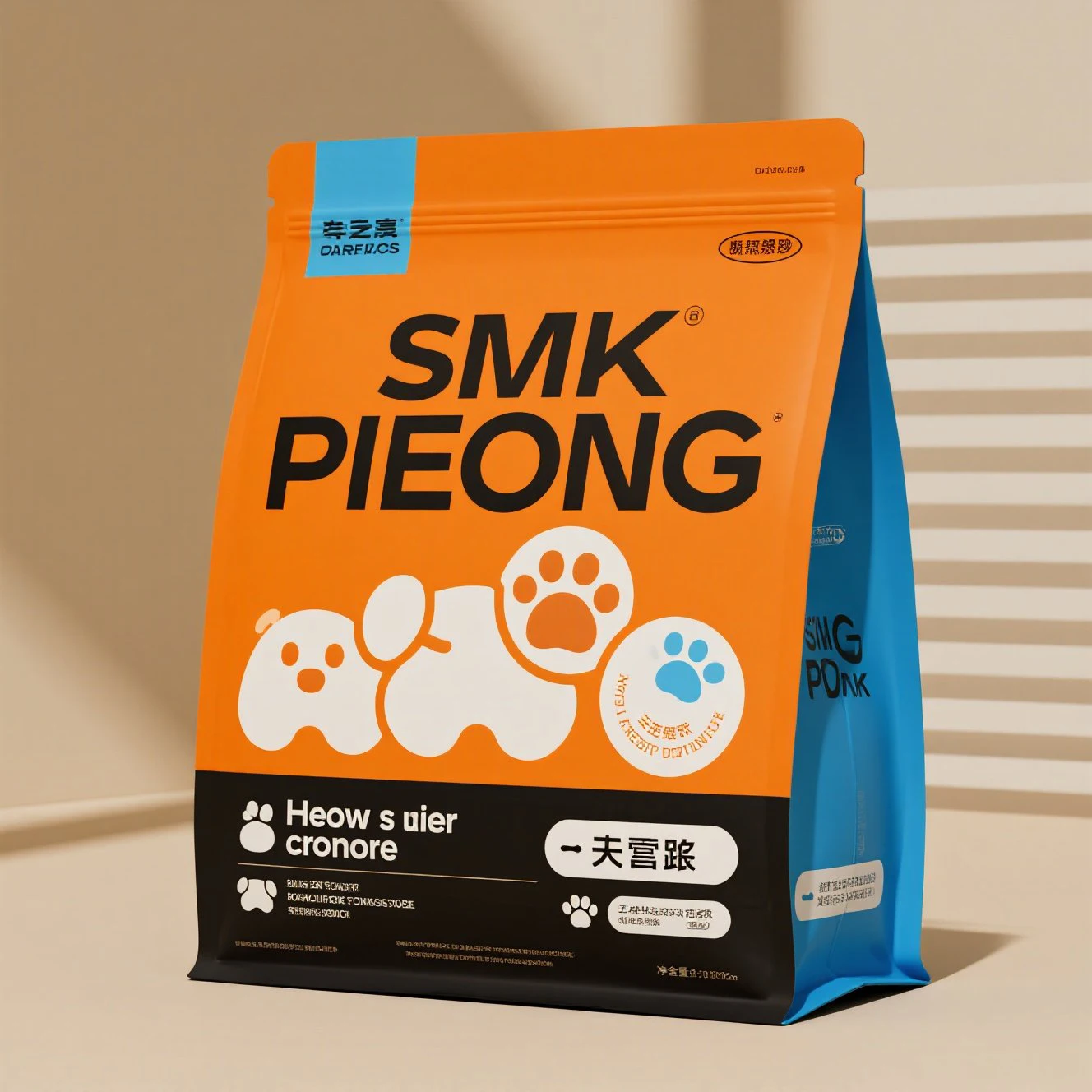
The sourcing process for customized flat bottom bags involves navigating multiple variables that impact both aesthetic outcomes and functional performance. B2B buyers must evaluate material specifications, printing capabilities, structural modifications, and closure systems while ensuring their chosen supplier can deliver consistent quality at scale. This comprehensive approach to customization enables companies to create packaging that not only protects their products but also serves as a powerful marketing tool that communicates brand values and product quality to end consumers.
Material Selection and Structural Customization
Barrier Film Technologies for Enhanced Protection
The foundation of effective flat bottom bags lies in selecting appropriate barrier materials that protect products while maintaining package integrity throughout the supply chain. Modern barrier technologies include multi-layer laminated films that combine polyethylene, polypropylene, and specialized barrier layers to create custom protection profiles. These advanced materials can be engineered to provide specific oxygen transmission rates, moisture vapor transmission rates, and light protection properties based on the unique requirements of the packaged product.
B2B buyers can work with manufacturers to develop custom barrier formulations that extend shelf life while maintaining product quality. Metalized films offer enhanced barrier properties and create premium visual appeal, while clear barrier films provide product visibility that supports consumer purchasing decisions. The selection of barrier materials directly impacts the performance characteristics of flat bottom bags, making this customization option crucial for products requiring extended shelf stability or specific environmental protection.
Structural Modifications for Product-Specific Requirements
Beyond standard flat bottom bag configurations, manufacturers offer extensive structural customization options that accommodate diverse product characteristics and packaging requirements. Gusset modifications can be tailored to optimize product fit and maximize packaging efficiency, while bottom sealing patterns can be adjusted to enhance stability and improve the overall appearance of filled packages. These structural adaptations ensure that flat bottom bags perform optimally with specific product densities and fill volumes.
Custom sizing represents another critical aspect of structural customization, allowing B2B buyers to optimize packaging dimensions for their specific products and distribution requirements. Manufacturers can produce flat bottom bags in virtually any size configuration, from small sample pouches to large bulk packaging formats. This flexibility enables companies to create packaging solutions that minimize material waste, reduce shipping costs, and improve overall supply chain efficiency while maintaining the distinctive flat bottom bag profile that enhances shelf presentation.
Printing and Branding Customization Capabilities
Advanced Printing Technologies for Premium Results
Modern printing capabilities for flat bottom bags encompass a wide range of technologies that enable B2B buyers to achieve sophisticated branding and visual communication objectives. Gravure printing delivers exceptional image quality and color consistency across large production runs, making it ideal for brands requiring precise color matching and detailed graphics. Digital printing technologies offer flexibility for smaller runs and enable variable data printing for promotional campaigns or product differentiation strategies.
Flexographic printing provides cost-effective solutions for simpler designs while maintaining good print quality and production efficiency. Many manufacturers offer hybrid printing approaches that combine multiple technologies to achieve specific aesthetic goals while optimizing production costs. The choice of printing technology impacts both the visual quality of flat bottom bags and the economic viability of customization projects, requiring careful consideration of design complexity, production volumes, and budget constraints.
Color Management and Brand Consistency
Achieving consistent brand representation across flat bottom bags requires sophisticated color management systems that ensure accurate reproduction of brand colors and graphics. Professional manufacturers utilize calibrated printing equipment and standardized color matching protocols to deliver consistent results across production runs and over time. This consistency is particularly important for B2B buyers managing multiple product lines or seeking to maintain brand coherence across different packaging formats.
Special effect options extend beyond traditional printing to include metallic inks, holographic elements, matte and gloss finishes, and tactile coatings that enhance the sensory experience of flat bottom bags. These premium finishing options enable brands to create distinctive packaging that stands out in competitive markets while communicating quality and attention to detail. The integration of security features, such as tamper-evident elements or authentication marks, can also be incorporated into the printing and finishing process to protect brand integrity.
Functional Feature Integration and Performance Enhancement
Closure System Customization Options
The closure system represents a critical customization element that directly impacts user experience and product preservation in flat bottom bags. Zipper closures can be customized with different track configurations, slider designs, and opening forces to match specific product characteristics and consumer preferences. Heat-seal closures offer tamper evidence and extended shelf life, while peel-seal options provide convenient access for single-use applications.
Advanced closure technologies include child-resistant mechanisms for regulated products, easy-open features for elderly or disabled consumers, and portion control systems for measured dispensing. The selection of closure systems must balance functionality, cost, and regulatory requirements while supporting the overall brand experience. B2B buyers can work with manufacturers to develop custom closure solutions that address unique product handling requirements while maintaining the aesthetic appeal and structural integrity of flat bottom bags.
Value-Added Features for Enhanced Functionality
Modern flat bottom bags can incorporate numerous value-added features that enhance functionality and user experience beyond basic containment. Tear notches and easy-open features improve consumer convenience, while hang holes and display-friendly designs support retail merchandising objectives. Degassing valves enable packaging of products that generate gases during storage, while spouts and fitments facilitate controlled pouring and dispensing.
Transparency windows allow product visibility while maintaining barrier properties, and measuring marks support portion control applications. These functional enhancements can be integrated seamlessly into the design of flat bottom bags without compromising structural integrity or aesthetic appeal. The key to successful feature integration lies in understanding how each element contributes to the overall packaging performance and user experience while supporting brand objectives and operational requirements.
Quality Assurance and Manufacturing Standards
Compliance and Certification Requirements
B2B buyers sourcing customized flat bottom bags must ensure their suppliers maintain appropriate certifications and compliance standards for their specific industry and market requirements. Food contact applications require compliance with FDA regulations or equivalent international standards, while pharmaceutical packaging may require cGMP certification and specialized quality systems. Environmental certifications, such as recyclability claims or sustainable material sourcing, increasingly influence procurement decisions as companies address sustainability objectives.
Quality management systems such as ISO 9001 provide framework assurance for consistent manufacturing processes and quality outcomes. Many manufacturers also maintain industry-specific certifications that demonstrate expertise in particular market segments or application areas. Understanding the certification landscape enables B2B buyers to select suppliers whose quality systems align with their own requirements and provide appropriate risk mitigation for their packaging applications.
Testing and Validation Protocols
Comprehensive testing protocols ensure that customized flat bottom bags meet performance specifications and maintain quality throughout their intended lifecycle. Physical testing includes seal strength evaluation, burst testing, and drop testing to verify structural integrity under normal handling conditions. Chemical testing validates barrier properties, migration characteristics, and material compatibility with specific products.
Accelerated aging studies predict long-term performance and help establish appropriate shelf life recommendations for flat bottom bags in specific applications. Environmental testing evaluates performance under various temperature and humidity conditions, while transport simulation testing validates packaging integrity throughout distribution networks. These comprehensive testing protocols provide B2B buyers with confidence in their packaging performance while supporting regulatory compliance and quality assurance objectives.
FAQ
What lead times should B2B buyers expect for customized flat bottom bags?
Lead times for customized flat bottom bags typically range from 2-6 weeks depending on the complexity of customization, printing requirements, and production volumes. Simple design modifications or material changes may require shorter lead times, while complex multi-color printing or new tooling requirements can extend production timelines. Establishing clear communication with suppliers about timeline expectations and maintaining buffer inventory for critical applications helps ensure smooth supply chain operations.
How do minimum order quantities impact customization options for flat bottom bags?
Minimum order quantities directly influence the economic viability of various customization options for flat bottom bags. Complex printing designs, specialized materials, and custom tooling typically require higher minimum orders to achieve cost-effective production. However, many manufacturers offer flexible approaches that allow B2B buyers to access premium customization options through consolidated orders or phased production schedules that balance inventory management with customization objectives.
What factors determine the cost structure for customized flat bottom bags?
The cost structure for customized flat bottom bags depends on material selection, printing complexity, production volumes, and specific feature requirements. Premium barrier materials and multi-color printing increase per-unit costs, while larger order quantities typically provide better pricing through economies of scale. Additional factors include tooling requirements for custom sizes, special features like zippers or spouts, and certification requirements that may impact manufacturing costs and supplier selection decisions.
How can B2B buyers ensure color accuracy and brand consistency in customized flat bottom bags?
Ensuring color accuracy and brand consistency requires working with suppliers who maintain calibrated color management systems and follow standardized color matching protocols. Providing accurate color specifications using recognized color standards, requesting physical samples for approval, and establishing clear communication about brand requirements helps achieve consistent results. Many manufacturers offer color matching services and maintain color libraries that support consistent reproduction across multiple production runs and packaging formats.
Table of Contents
- Material Selection and Structural Customization
- Printing and Branding Customization Capabilities
- Functional Feature Integration and Performance Enhancement
- Quality Assurance and Manufacturing Standards
-
FAQ
- What lead times should B2B buyers expect for customized flat bottom bags?
- How do minimum order quantities impact customization options for flat bottom bags?
- What factors determine the cost structure for customized flat bottom bags?
- How can B2B buyers ensure color accuracy and brand consistency in customized flat bottom bags?