Premium Food Bag Packaging Solutions - Advanced Barrier Protection & Sustainable Design

Contact me immediately if you encounter problems!

All Categories

Get a Free Quote

Our representative will contact you soon.
Email
Name
Company Name
Message
0/1000

food bag packaging

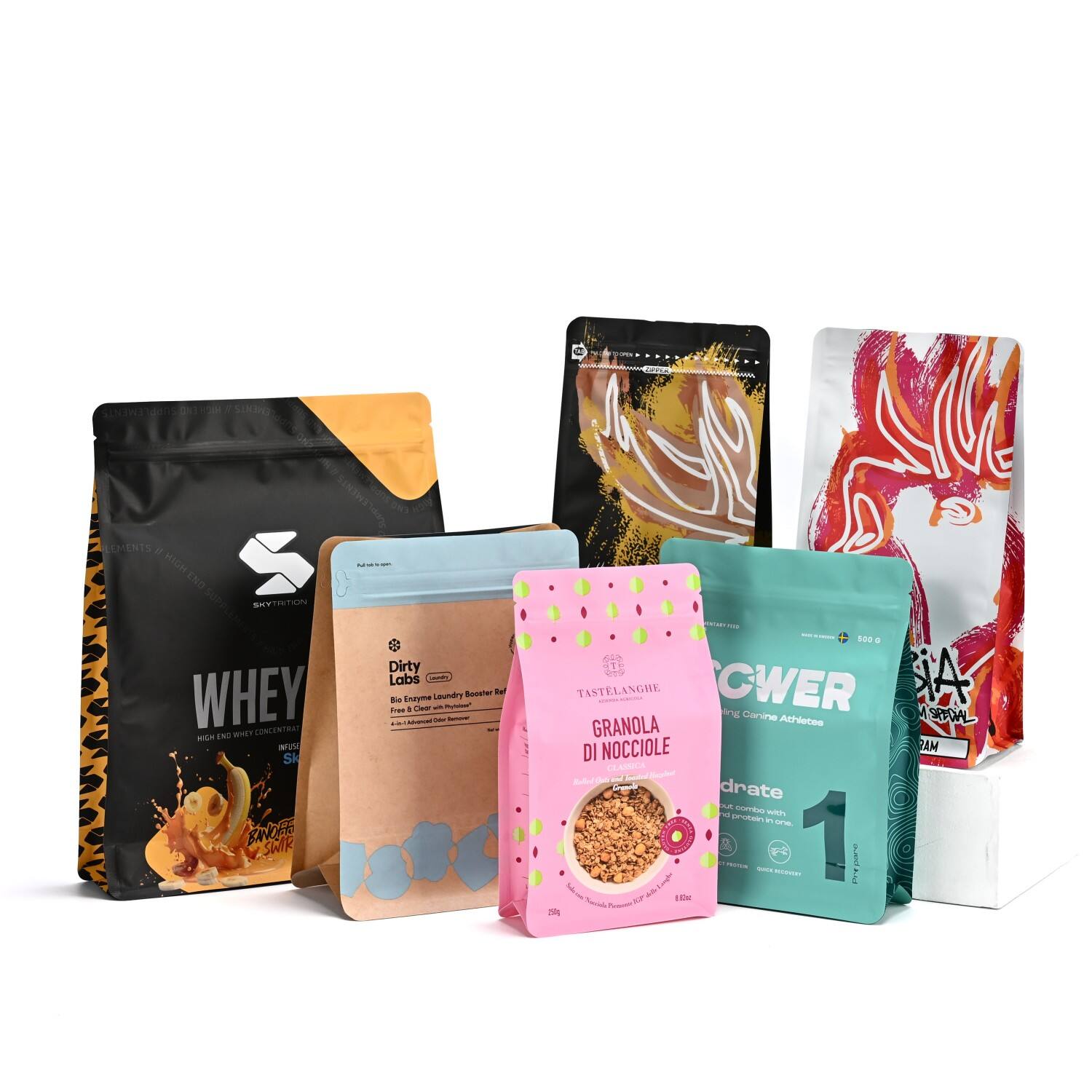
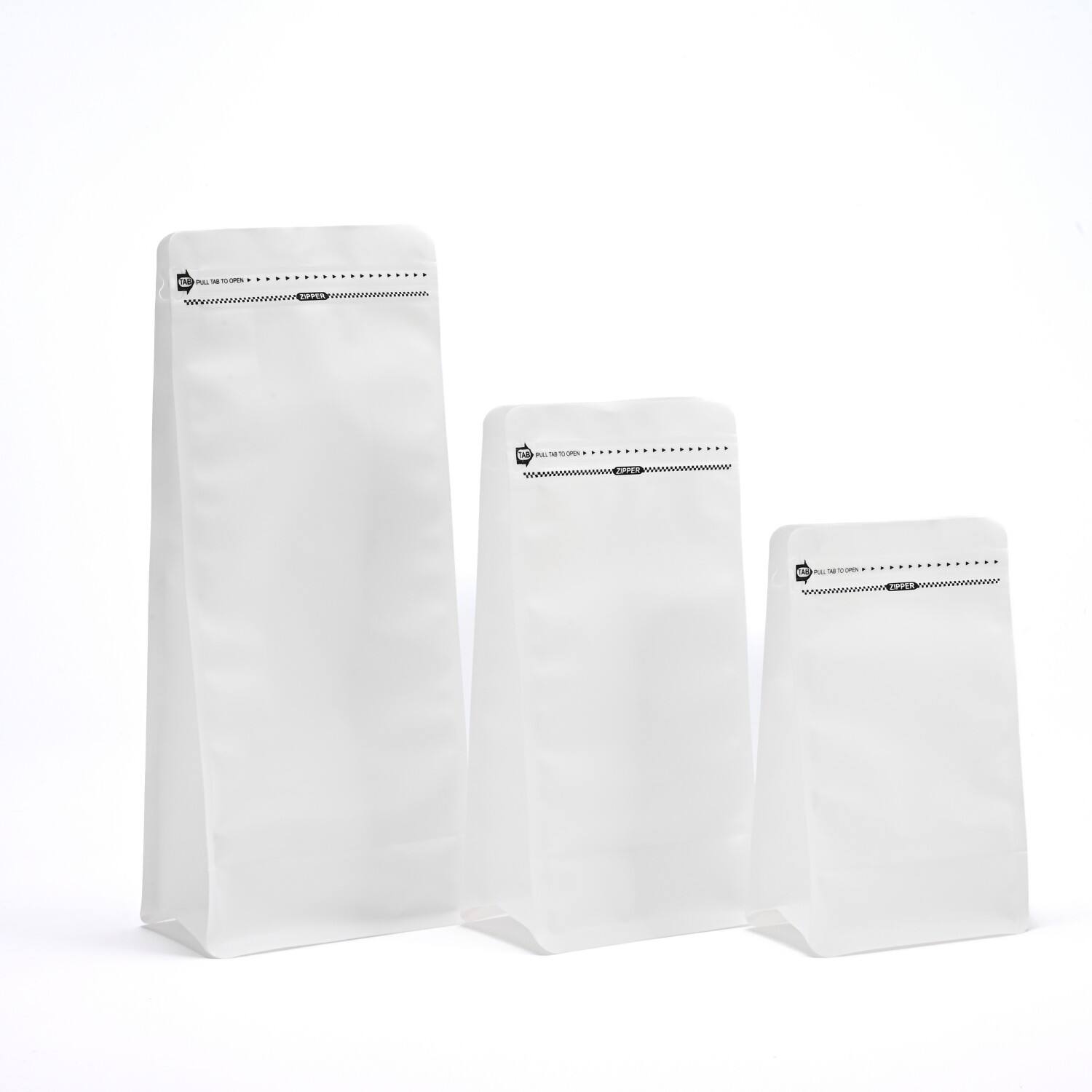
Food bag packaging represents a sophisticated solution for modern food storage and transportation needs, serving as an essential component in maintaining product quality from manufacturer to consumer. This specialized packaging system encompasses various materials and designs specifically engineered to protect food items during storage, shipping, and retail display. The primary functions of food bag packaging include creating protective barriers against moisture, oxygen, light, and contamination while preserving freshness and extending shelf life. Advanced food bag packaging utilizes multilayer constructions that combine different materials such as polyethylene, polypropylene, aluminum foil, and specialized barrier films to achieve optimal protection properties. These technological features enable precise control over gas permeability, ensuring that perishable items maintain their nutritional value and taste profile throughout their intended lifespan. The applications of food bag packaging span across numerous sectors including fresh produce, frozen foods, snacks, beverages, and prepared meals. Retailers benefit from enhanced product presentation through clear visibility windows and attractive graphics that help drive consumer purchasing decisions. Manufacturing facilities rely on food bag packaging for efficient production line integration, automated filling processes, and cost-effective bulk storage solutions. The versatility of food bag packaging allows for customization in size, shape, and closure mechanisms to accommodate diverse product requirements. Whether protecting delicate fruits from bruising or maintaining the crispness of snack foods, these packaging solutions deliver consistent performance across temperature variations and handling conditions. Modern food bag packaging also incorporates sustainability considerations through recyclable materials and reduced material usage without compromising protective capabilities. The integration of smart packaging technologies, including freshness indicators and tamper-evident features, further enhances consumer confidence and product traceability throughout the supply chain.
Popular Products

Food bag packaging delivers exceptional value through multiple practical benefits that directly impact both businesses and consumers in measurable ways. The superior barrier protection prevents spoilage and waste, translating to significant cost savings for retailers who experience reduced product losses due to deterioration. This protective capability extends product shelf life substantially, allowing businesses to maintain inventory longer without quality degradation, which improves profit margins and reduces restocking frequency. The lightweight nature of food bag packaging reduces shipping costs compared to rigid containers, enabling companies to transport more products per shipment while minimizing fuel consumption and environmental impact. Businesses appreciate the space-efficient storage characteristics that maximize warehouse capacity utilization and reduce overhead expenses associated with storage facilities. The flexible design allows for efficient stacking and organization, optimizing both retail display space and home storage convenience for consumers. Food bag packaging provides excellent visibility of contents, enabling customers to inspect products before purchase, which builds trust and reduces return rates for retailers. The easy-opening features and reclosable options enhance user experience, encouraging repeat purchases and customer loyalty. Manufacturing benefits include faster production speeds due to automated filling and sealing processes that reduce labor costs and increase output efficiency. The customizable printing surfaces offer valuable marketing opportunities through vibrant graphics and product information that attract consumer attention and communicate brand messages effectively. Temperature resistance ensures product integrity across various climatic conditions during transportation and storage, reducing quality complaints and warranty issues. The moisture control properties prevent bacterial growth and maintain texture quality, particularly important for products like cereals, nuts, and dried fruits. Cost-effectiveness emerges through reduced material usage compared to alternative packaging methods while maintaining superior protection standards. The tamper-evident features provide security assurance that protects both brand reputation and consumer safety. Environmental advantages include recyclability options and reduced carbon footprint through lighter weight transportation requirements, appealing to environmentally conscious consumers and supporting corporate sustainability goals.

Practical Tips

Bridging Performance and Sustainability: The Dual Role of PE/EVOH/PE in Modern Food Packaging

26

Dec

Bridging Performance and Sustainability: The Dual Role of PE/EVOH/PE in Modern Food Packaging

View More
Smart Packaging: From Passive Containers to Active Food Preservation Partners

11

Dec

Smart Packaging: From Passive Containers to Active Food Preservation Partners

View More
The Silent Salesman: How Packaging Design Psychology Drives Consumer Choice in the Digital Age

11

Dec

The Silent Salesman: How Packaging Design Psychology Drives Consumer Choice in the Digital Age

View More

Get a Free Quote

Our representative will contact you soon.
Email
Name
Company Name
Message
0/1000

food bag packaging

Advanced Multi-Layer Barrier Technology

Advanced Multi-Layer Barrier Technology

The revolutionary multi-layer barrier technology in modern food bag packaging represents a breakthrough in food preservation science that transforms how products maintain quality throughout their lifecycle. This sophisticated system combines multiple specialized films, each serving distinct protective functions, creating an impermeable shield against environmental factors that cause food deterioration. The outer layer provides mechanical strength and puncture resistance, protecting contents from physical damage during handling and transportation. The middle barrier layer, often incorporating aluminum foil or metallized films, blocks oxygen transmission and light penetration, preventing oxidation reactions that cause rancidity in oils and fats while preserving vitamin content in sensitive products. The inner food-contact layer ensures safety through FDA-approved materials that maintain taste neutrality and prevent flavor contamination. This technology enables precise control over gas exchange rates, allowing some products to breathe while restricting harmful gas penetration. The barrier properties can be customized for specific product requirements, whether maintaining crispness in snack foods through moisture control or preserving freshness in coffee through gas barrier optimization. Advanced co-extrusion processes create seamless layer integration, eliminating weak points that could compromise protection integrity. The technology also incorporates selective permeability features that allow beneficial gas exchange while blocking detrimental elements, particularly important for fresh produce that continues respiration after harvest. Temperature stability across the barrier layers ensures consistent protection from freezer conditions to ambient storage temperatures. This multi-layer approach delivers superior performance compared to single-material packaging while maintaining cost-effectiveness through optimized material usage. The technology continues evolving with nano-barrier innovations and smart material integration, positioning food bag packaging at the forefront of preservation science and ensuring maximum product quality retention from production to consumption.
Sustainable and Eco-Friendly Design Innovation

Sustainable and Eco-Friendly Design Innovation

Contemporary food bag packaging embraces sustainability through innovative design approaches that balance environmental responsibility with superior product protection, addressing growing consumer demand for eco-conscious packaging solutions. The development of biodegradable and compostable materials represents a significant advancement, utilizing plant-based polymers derived from renewable resources like corn starch, sugarcane, and cellulose that decompose naturally without leaving harmful residues. These sustainable materials maintain comparable barrier properties to traditional plastics while offering end-of-life disposal options that support circular economy principles. Recyclable food bag packaging incorporates mono-material construction that simplifies recycling processes, enabling efficient material recovery and reducing waste stream contamination. Advanced material engineering reduces overall packaging weight through thinner films that maintain strength and protection capabilities, resulting in decreased raw material consumption and reduced transportation emissions. The integration of post-consumer recycled content creates closed-loop systems where used packaging materials are transformed into new food bag packaging, minimizing virgin material requirements. Water-based printing inks and adhesives eliminate volatile organic compounds, improving workplace safety and reducing environmental impact during manufacturing processes. Renewable energy utilization in production facilities further enhances the sustainability profile while maintaining competitive manufacturing costs. Life cycle assessments demonstrate significant carbon footprint reductions compared to alternative packaging methods, supporting corporate environmental goals and regulatory compliance requirements. The sustainable design philosophy extends to packaging optimization that reduces food waste through extended shelf life and portion control features, creating environmental benefits beyond the packaging material itself. Consumer education initiatives highlight proper disposal methods and recycling guidelines, maximizing the environmental benefits of sustainable food bag packaging choices. Innovation partnerships with environmental organizations drive continuous improvement in sustainable material development and manufacturing processes. These eco-friendly innovations position food bag packaging as a responsible choice for environmentally conscious brands and consumers while delivering uncompromised product protection and quality maintenance throughout the supply chain.
Versatile Customization and Branding Capabilities

Versatile Customization and Branding Capabilities

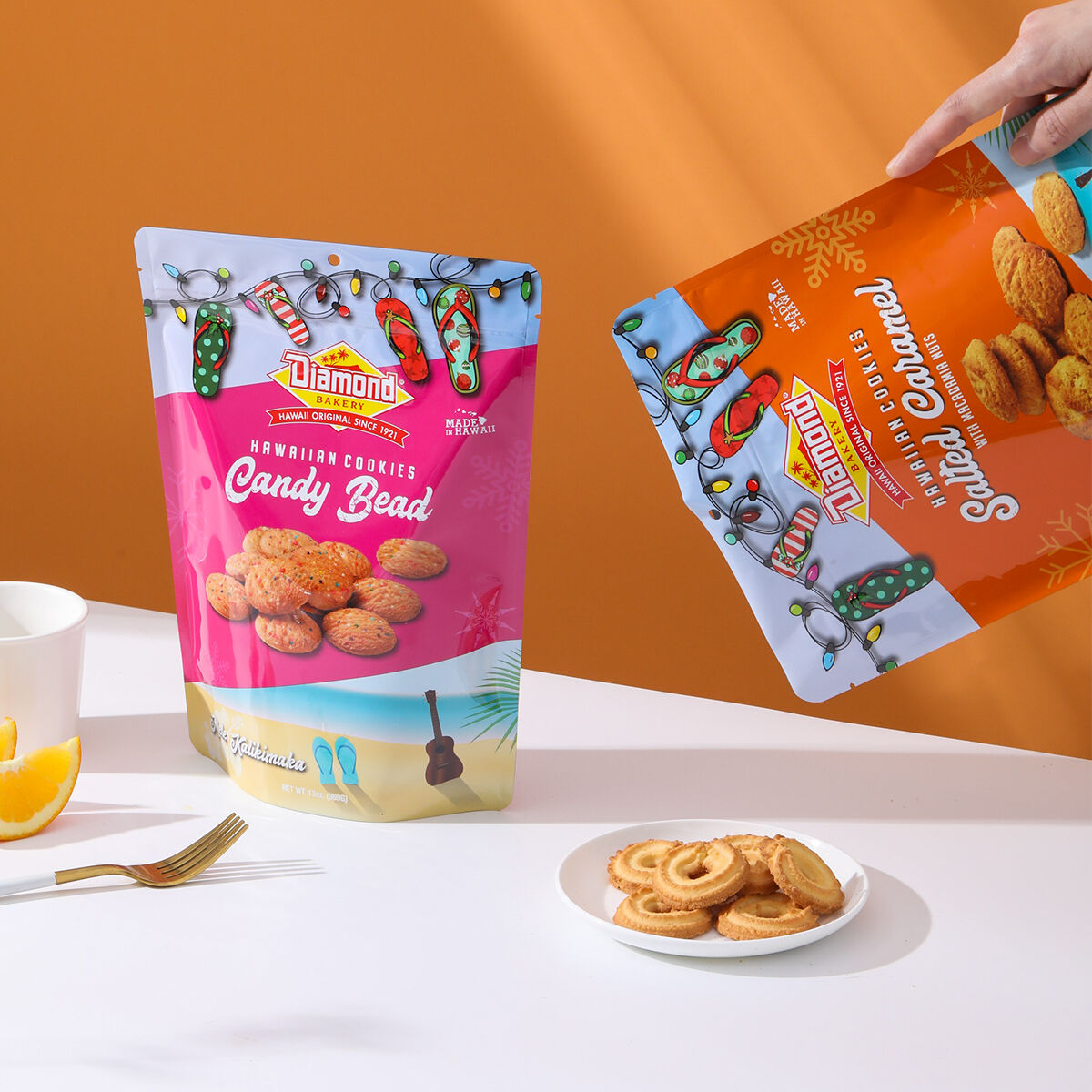
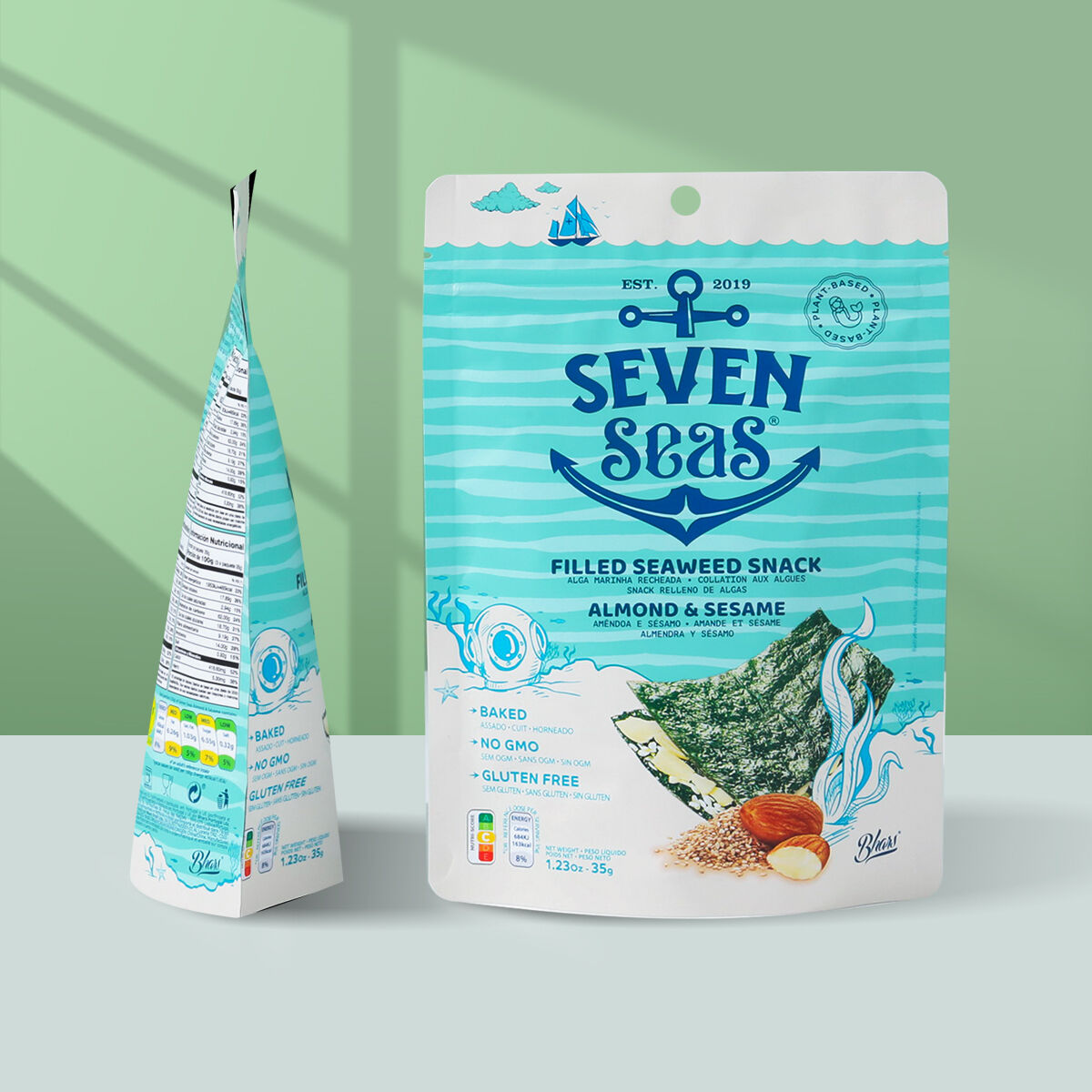
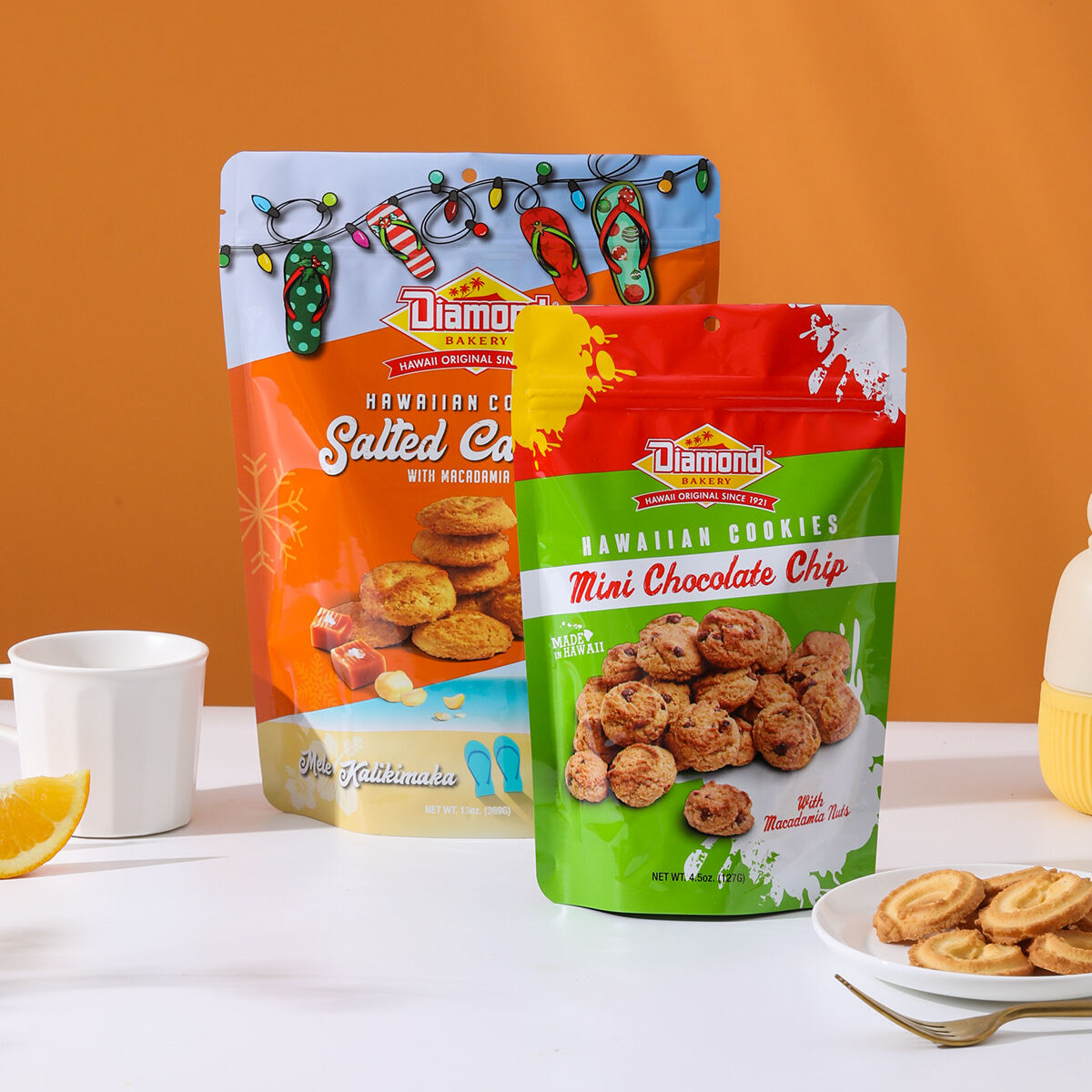
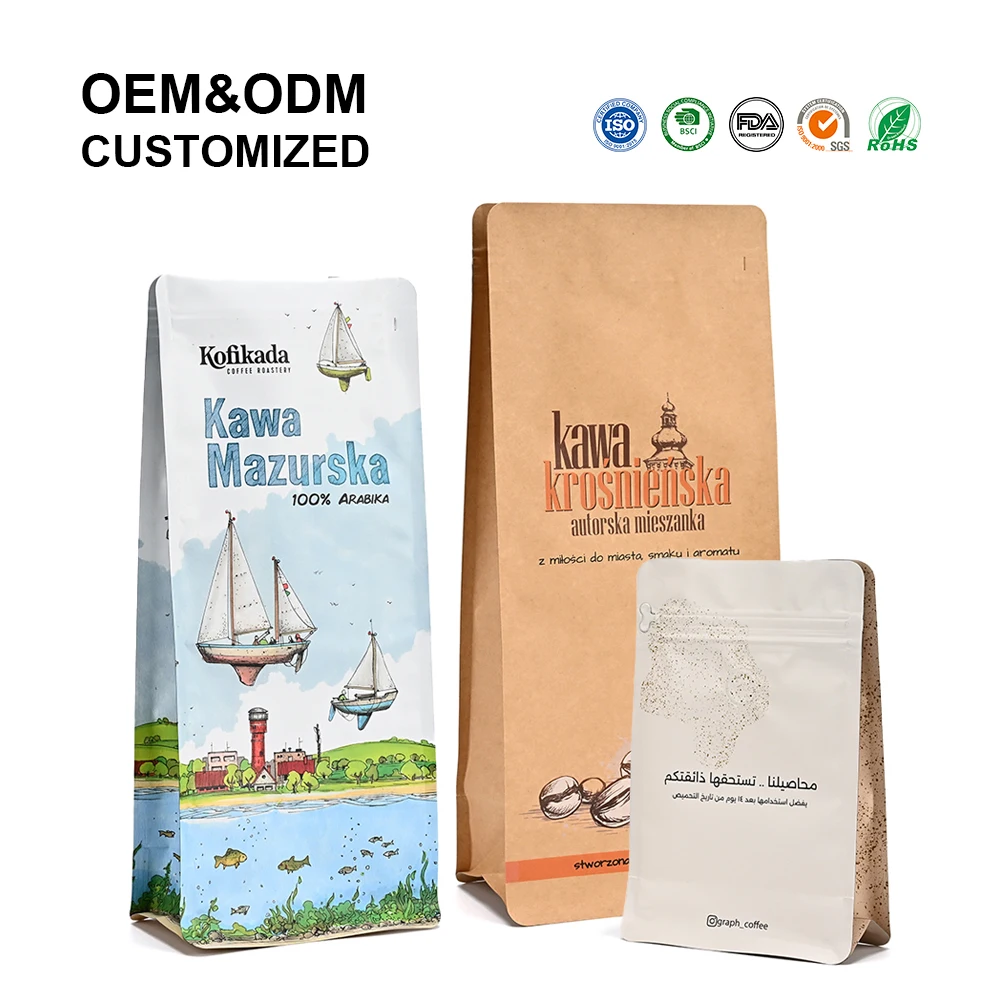
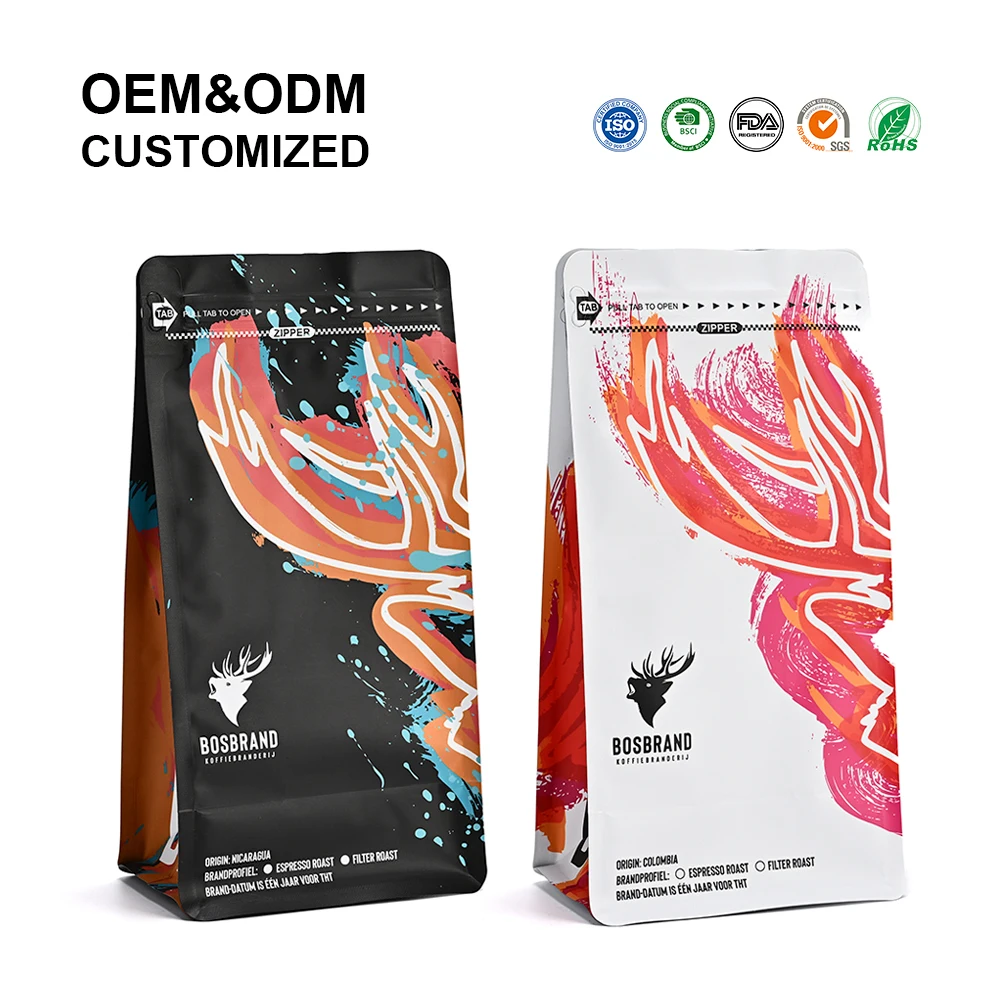
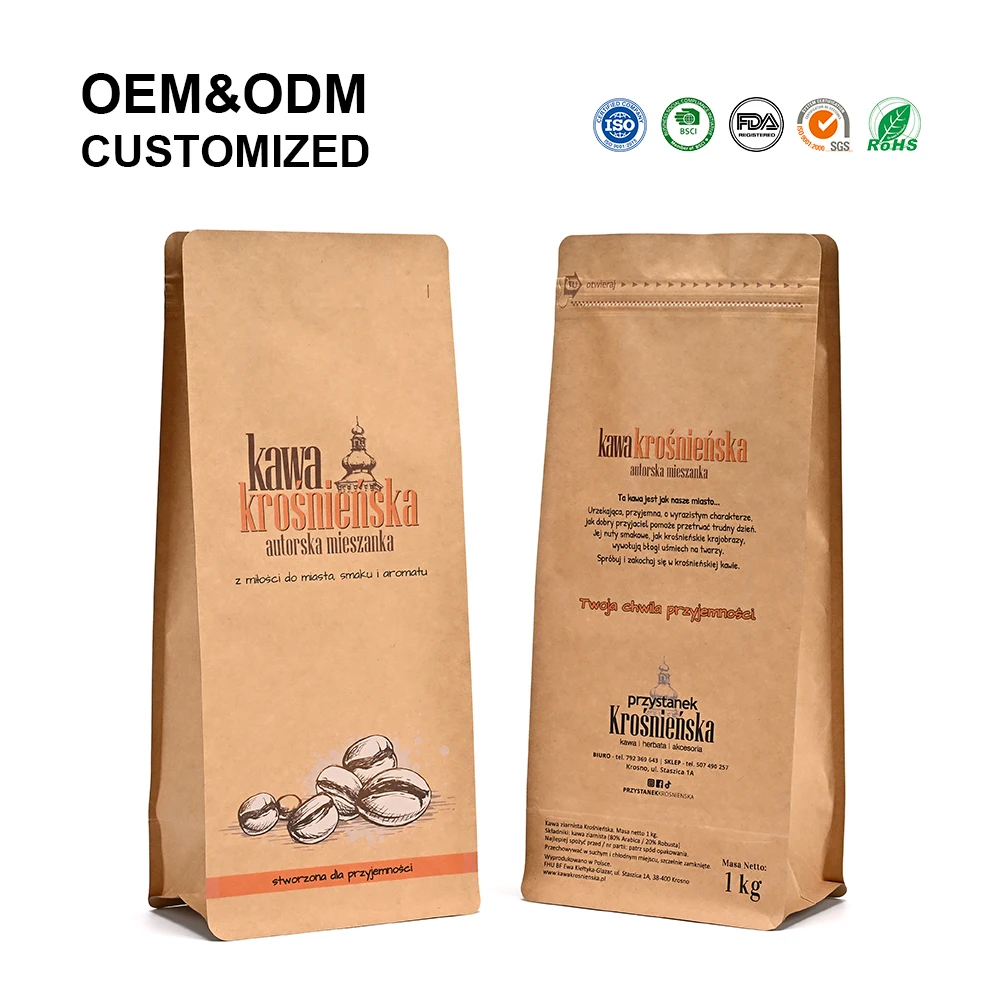
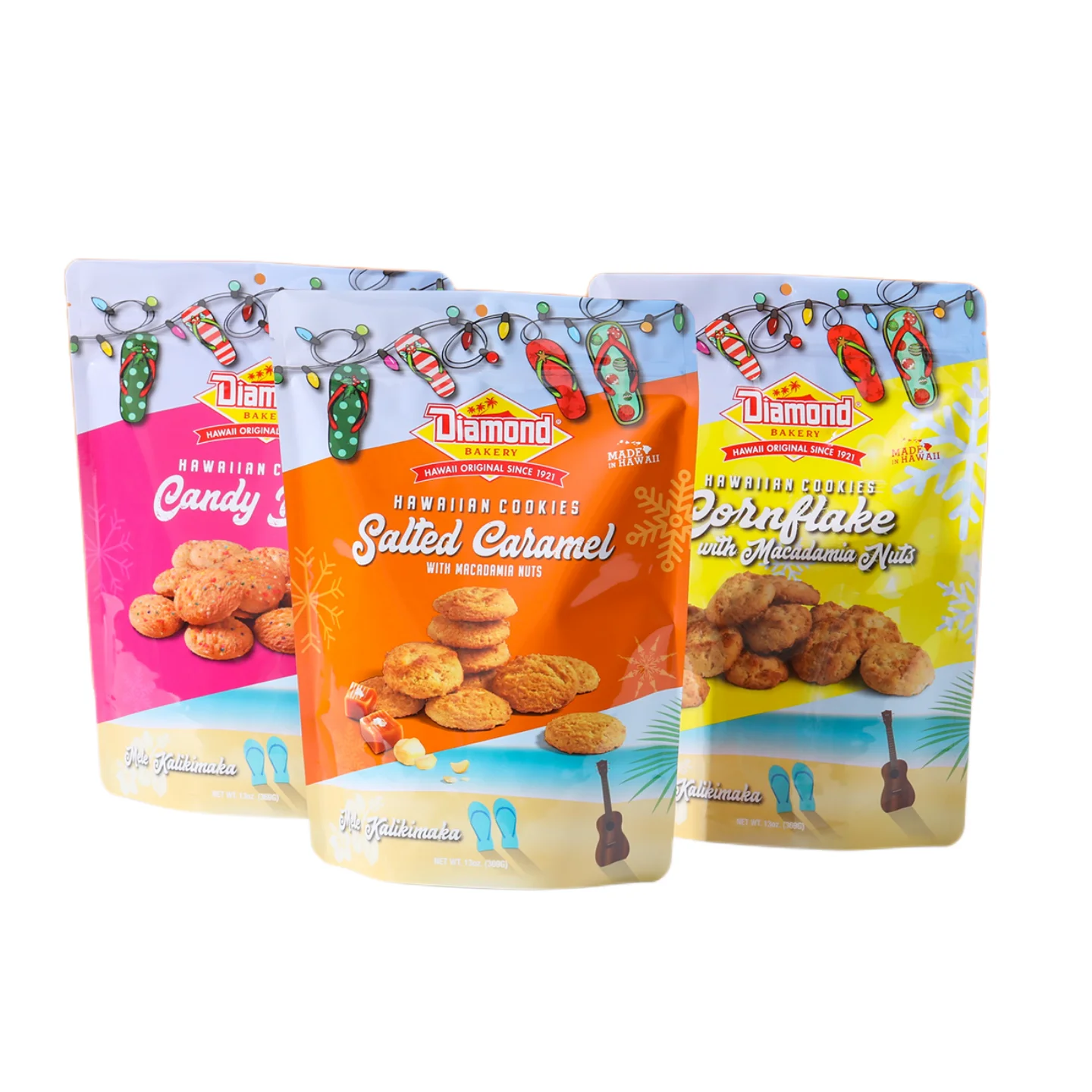
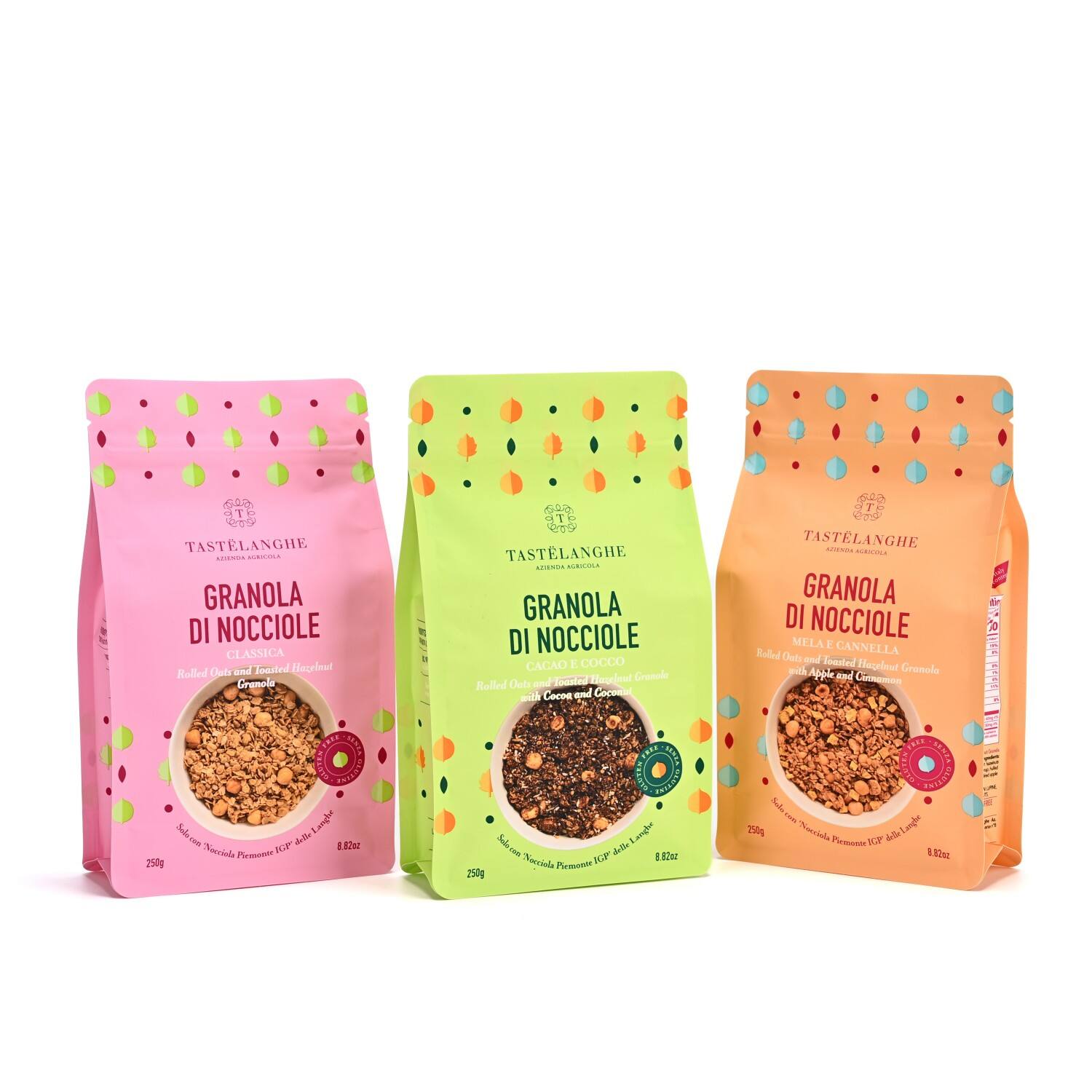
The exceptional customization and branding capabilities of food bag packaging provide businesses with powerful tools to differentiate products, enhance brand recognition, and create compelling consumer experiences that drive purchasing decisions and brand loyalty. Advanced printing technologies enable high-resolution graphics reproduction with vibrant colors and intricate designs that capture consumer attention on crowded retail shelves while communicating product quality and brand values effectively. Digital printing capabilities support short-run customization for seasonal promotions, limited editions, and regional market variations without requiring expensive tooling changes or minimum order quantities. Variable data printing allows for individualized packaging with unique codes, promotional offers, or personalized messages that enhance consumer engagement and support traceability requirements. The flexible substrate accommodates various finishing techniques including matte and gloss effects, metallic accents, and textured surfaces that create premium tactile experiences and visual appeal. Window options provide product visibility while maintaining protection, enabling consumers to inspect contents and verify quality before purchase, building trust and confidence in the brand. Custom sizing and shaping capabilities ensure optimal product fit and presentation while minimizing material usage and reducing packaging waste. Specialized closure options including resealable zippers, tear notches, and easy-open features enhance user convenience and product freshness maintenance, encouraging repeat purchases and customer satisfaction. Multi-language printing supports global market expansion while accommodating local regulatory requirements and cultural preferences. Interactive packaging elements such as QR codes and augmented reality features bridge physical and digital experiences, providing additional product information, recipes, or promotional content that extends brand engagement beyond the initial purchase. Color psychology applications leverage specific color combinations to influence consumer perceptions and purchasing behavior while reinforcing brand identity across product lines. The versatility extends to functional customization including portion control sizing, bulk packaging options, and specialized barrier properties tailored to specific product requirements, ensuring optimal performance across diverse applications while maintaining consistent brand presentation and consumer recognition.

Get a Free Quote

Our representative will contact you soon.
Email
Name
Company Name
Message
0/1000