Premium Frozen Food Bags - Advanced Barrier Technology for Superior Food Preservation

Contact me immediately if you encounter problems!

All Categories

Get a Free Quote

Our representative will contact you soon.
Email
Name
Company Name
Message
0/1000

frozen food bag

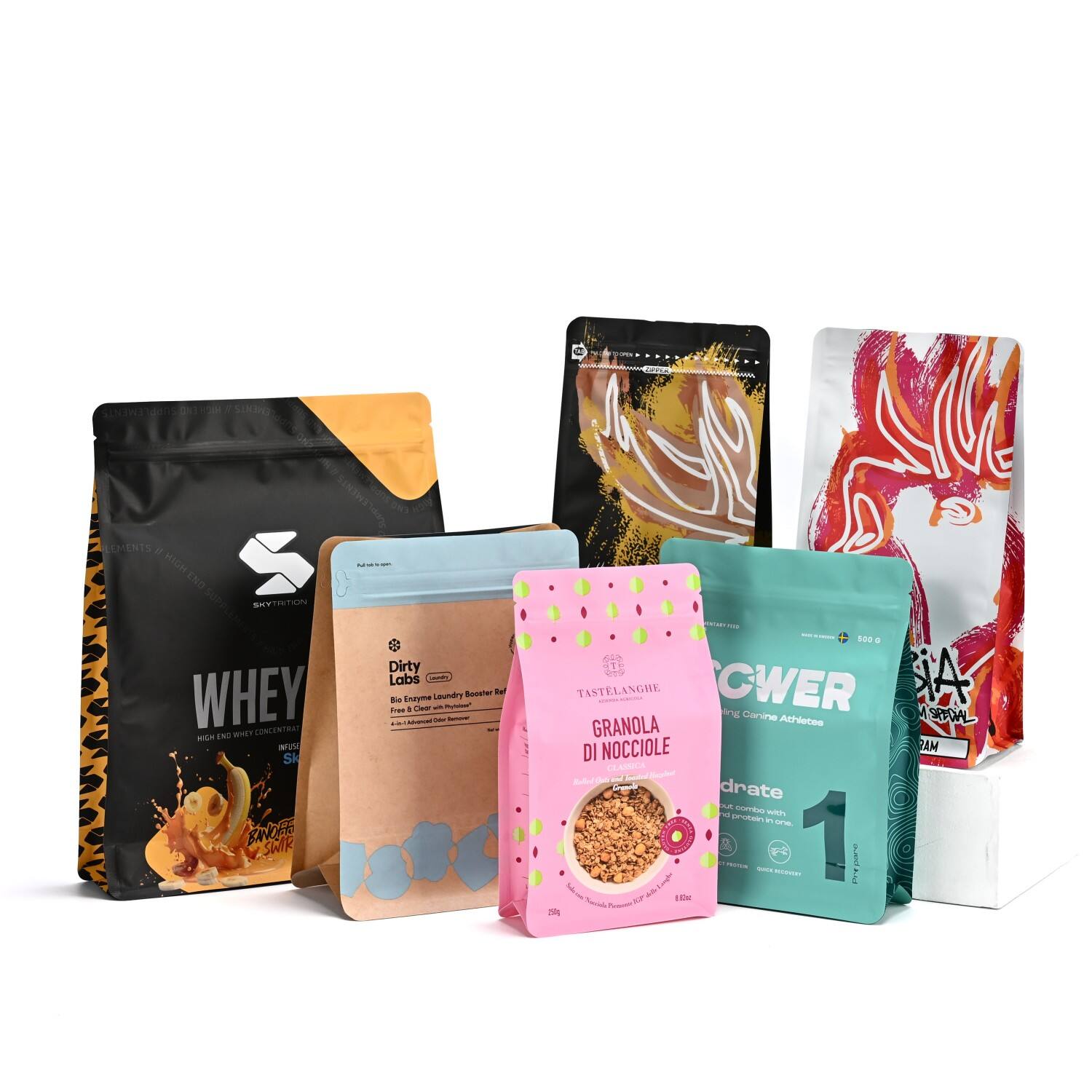
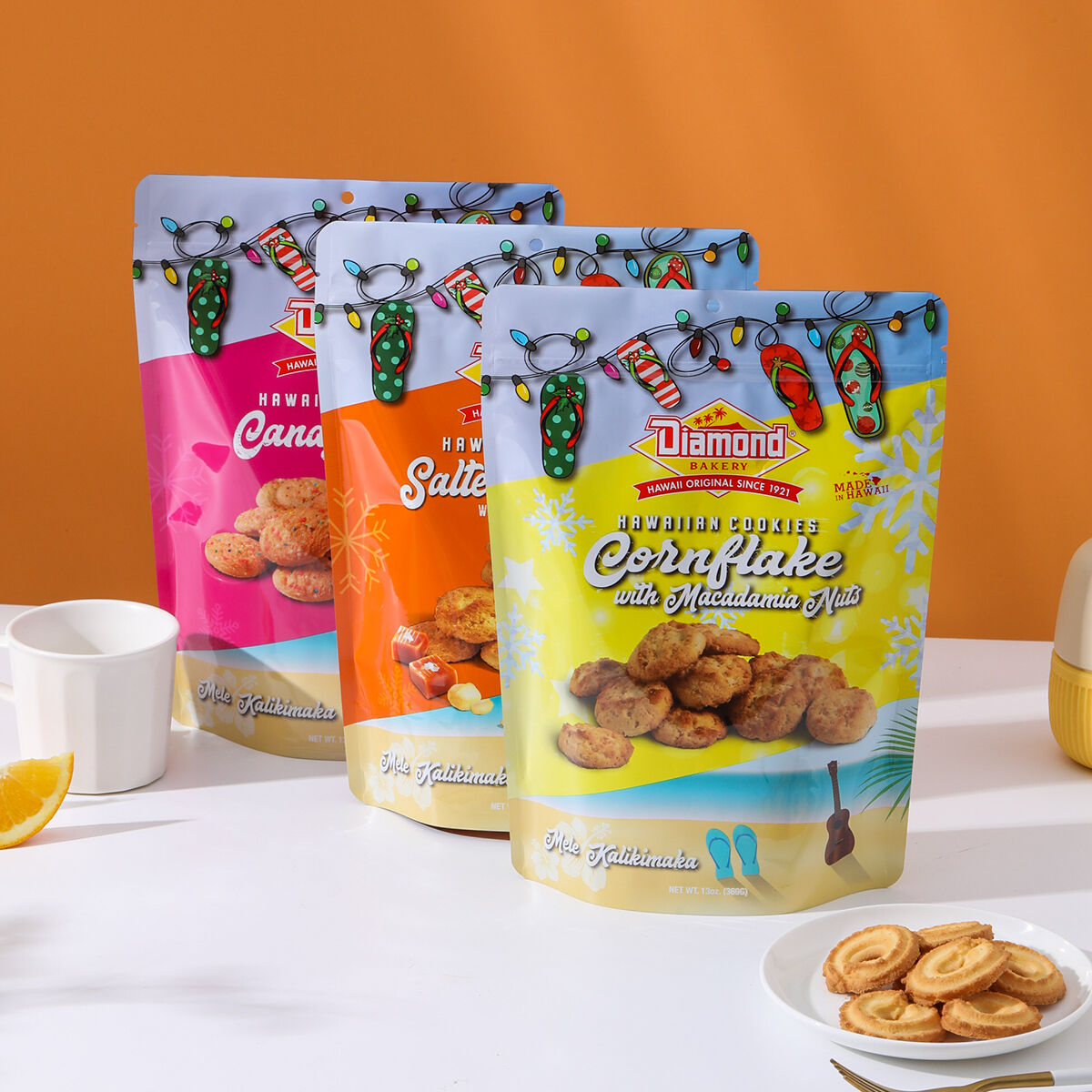
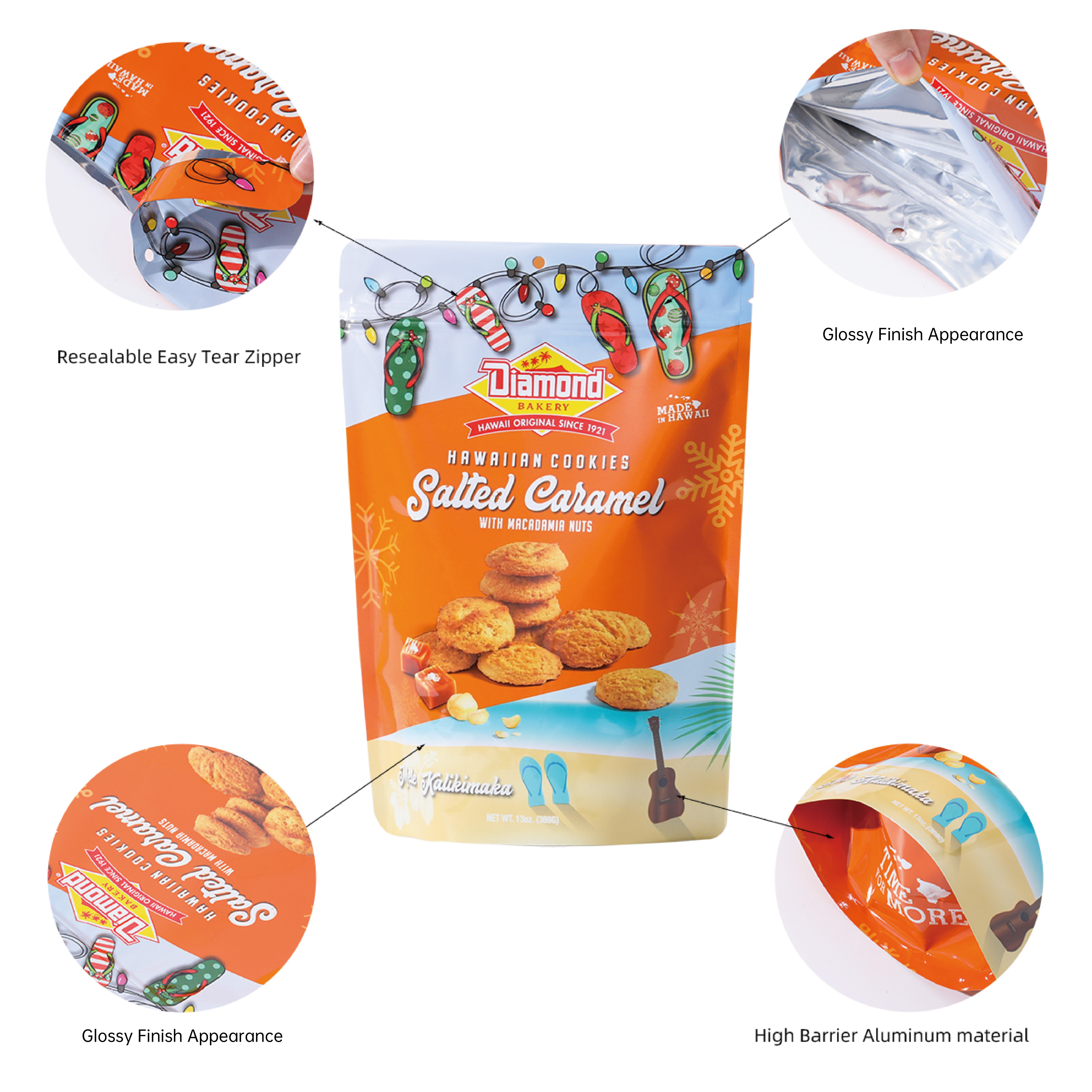
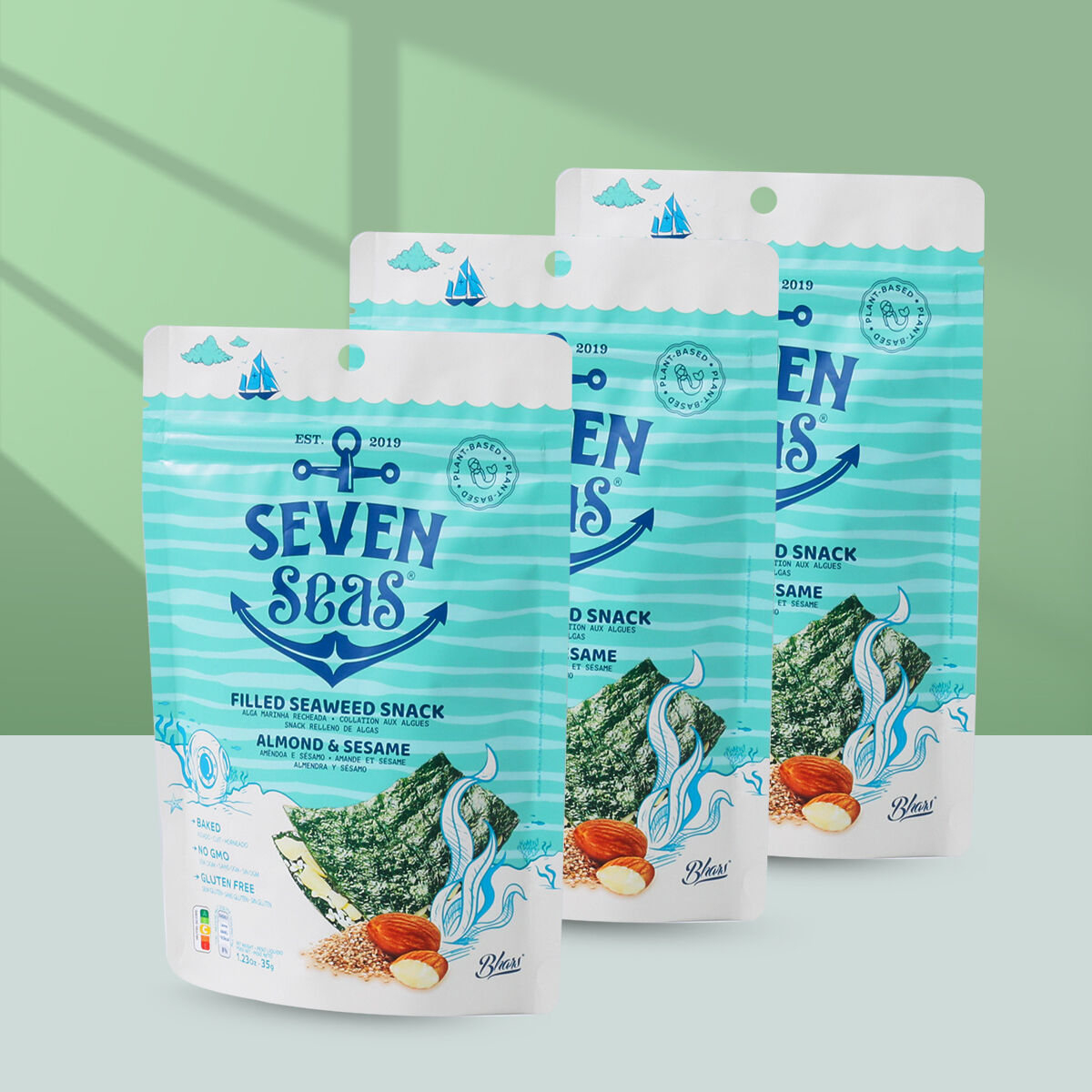
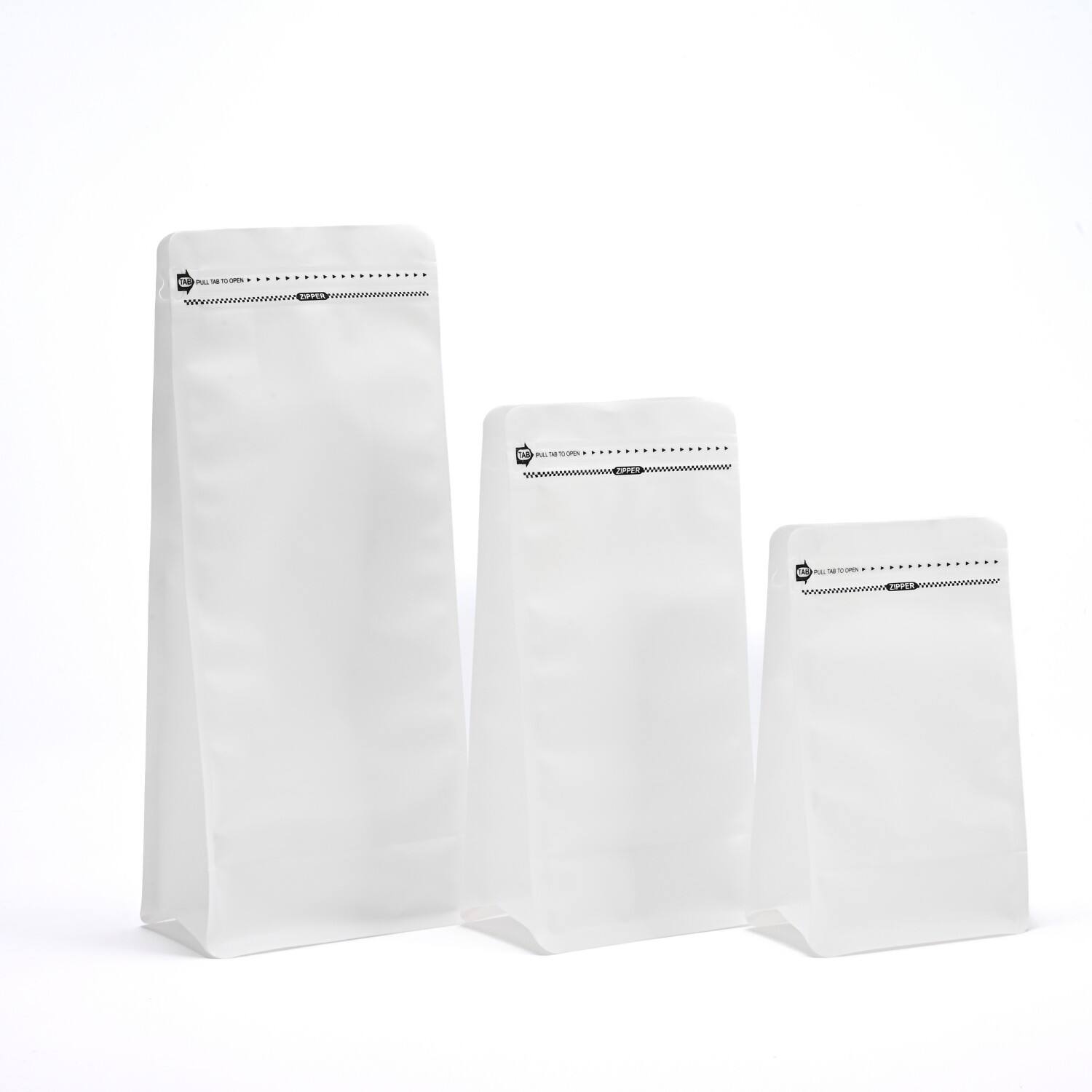
The frozen food bag represents a revolutionary advancement in food preservation technology, designed specifically to maintain the quality, freshness, and nutritional value of frozen products during storage and transportation. These specialized packaging solutions utilize cutting-edge materials and construction techniques to create an optimal barrier against environmental factors that can compromise food integrity. Modern frozen food bags incorporate multi-layer film structures that combine various polymer materials, each serving a distinct protective function. The outer layer typically consists of durable materials like polyethylene or polypropylene, providing mechanical strength and puncture resistance. Inner layers often feature specialized barrier films that prevent moisture migration, oxygen infiltration, and flavor transfer. Advanced frozen food bag designs integrate temperature-resistant properties that maintain structural integrity across extreme temperature ranges, from deep-freeze storage conditions to ambient transportation environments. The sealing technology employed in these bags ensures hermetic closure, preventing air exchange and contamination risks. Many contemporary frozen food bags feature enhanced printability surfaces, allowing for high-quality graphics and product information display while maintaining barrier properties. The construction methodology involves sophisticated lamination processes that bond multiple material layers without compromising individual performance characteristics. These bags accommodate various filling techniques, from manual loading to automated packaging systems, making them versatile for different production scales. Size variations range from individual portion packages to bulk commercial containers, serving diverse market segments from retail consumers to foodservice establishments. The frozen food bag industry has embraced sustainable practices, developing recyclable and biodegradable options that reduce environmental impact without sacrificing performance standards. Quality control measures ensure consistent barrier properties, seal integrity, and dimensional accuracy across production batches, meeting stringent food safety regulations and industry standards.
Popular Products

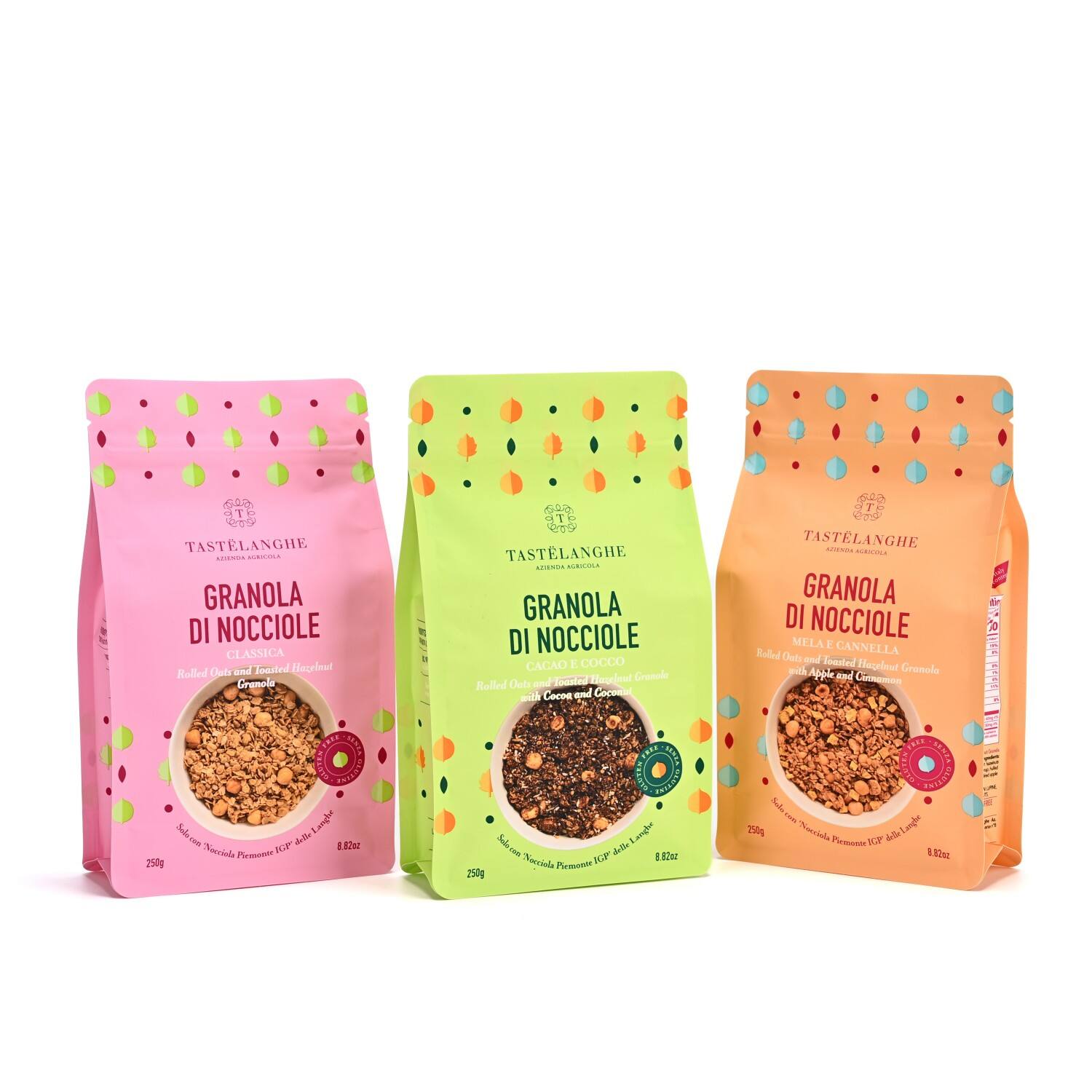
Frozen food bags deliver exceptional preservation capabilities that significantly extend product shelf life compared to conventional packaging methods. These advanced containers maintain optimal moisture levels within frozen products, preventing the formation of ice crystals that can damage food texture and flavor profiles. The superior barrier properties of frozen food bags block oxygen transmission, eliminating oxidative deterioration that causes rancidity, color changes, and nutritional degradation over time. Temperature stability ensures packaging integrity remains intact throughout the cold chain process, from initial freezing through distribution to final consumer storage. The lightweight nature of frozen food bags reduces transportation costs and carbon footprint compared to rigid container alternatives, making them economically advantageous for manufacturers and environmentally responsible. Flexible construction allows efficient space utilization in freezer storage, maximizing capacity while minimizing wasted space that occurs with fixed-shape containers. The transparent or semi-transparent properties of many frozen food bags enable easy product identification without opening packages, reducing handling time and maintaining cold chain integrity. Advanced printing capabilities support vibrant graphics and detailed product information, enhancing brand visibility and consumer appeal in competitive retail environments. The hermetic sealing properties prevent cross-contamination between different food products, maintaining flavor purity and preventing allergen transfer risks. Frozen food bags accommodate portion control strategies effectively, allowing manufacturers to create precise serving sizes that meet consumer demands for convenience and waste reduction. The puncture-resistant construction withstands handling stresses during warehouse operations, transportation, and retail display without compromising package integrity. Easy-open features integrated into modern frozen food bags enhance consumer convenience while maintaining tamper-evidence properties that ensure product safety. Cost-effective manufacturing processes make frozen food bags economically viable for various product categories, from premium specialty items to high-volume commodity products. The versatile design accommodates different product forms, including solid pieces, granular items, and liquid-containing foods, providing packaging solutions across diverse frozen food categories. Steam-in-bag capabilities of specialized frozen food bags enable convenient microwave cooking directly within the package, adding value for time-conscious consumers while maintaining food quality.

Practical Tips

Bridging Performance and Sustainability: The Dual Role of PE/EVOH/PE in Modern Food Packaging

26

Dec

Bridging Performance and Sustainability: The Dual Role of PE/EVOH/PE in Modern Food Packaging

View More
Smart Packaging: From Passive Containers to Active Food Preservation Partners

11

Dec

Smart Packaging: From Passive Containers to Active Food Preservation Partners

View More
The Silent Salesman: How Packaging Design Psychology Drives Consumer Choice in the Digital Age

11

Dec

The Silent Salesman: How Packaging Design Psychology Drives Consumer Choice in the Digital Age

View More

Get a Free Quote

Our representative will contact you soon.
Email
Name
Company Name
Message
0/1000

frozen food bag

Advanced Multi-Layer Barrier Technology

Advanced Multi-Layer Barrier Technology

The sophisticated barrier technology employed in premium frozen food bags represents the pinnacle of packaging science, utilizing carefully engineered multi-layer film structures that provide unparalleled protection against environmental threats to food quality. These innovative barriers combine multiple specialized polymer layers, each designed to address specific preservation challenges faced by frozen products during extended storage periods. The outer protective layer typically incorporates high-density polyethylene or oriented polypropylene materials that deliver exceptional puncture resistance and mechanical durability, ensuring package integrity remains intact throughout demanding distribution processes. Intermediate barrier layers feature specialized materials like ethylene vinyl alcohol copolymers or metallized films that create nearly impermeable barriers against oxygen transmission, preventing oxidative reactions that compromise flavor, color, and nutritional content. Inner contact layers utilize food-grade materials specifically formulated for direct food contact, ensuring complete safety while providing additional moisture control properties. The lamination process that bonds these layers employs advanced adhesive systems that maintain structural integrity across extreme temperature variations, from deep-freeze storage at minus forty degrees to ambient shipping conditions. This multi-layer construction effectively eliminates freezer burn, a common problem that occurs when moisture migrates from food surfaces, creating unsightly ice crystals and textural degradation. The barrier properties extend beyond simple moisture and oxygen control, incorporating protection against volatile organic compounds that can cause off-flavors and aroma contamination between different food products stored in proximity. Advanced frozen food bags featuring this technology maintain product quality for extended periods, often doubling or tripling shelf life compared to conventional packaging methods. The precise engineering of layer thickness and material selection ensures optimal barrier performance while maintaining package flexibility and processing efficiency. Quality control testing validates barrier performance through sophisticated analytical methods, including oxygen transmission rate measurements and water vapor permeability assessments, ensuring consistent protection levels across production runs.
Temperature-Resistant Seal Integrity System

Temperature-Resistant Seal Integrity System

The temperature-resistant seal integrity system incorporated in advanced frozen food bags ensures reliable package closure across extreme temperature fluctuations encountered throughout the frozen food supply chain. This innovative sealing technology addresses the fundamental challenge of maintaining hermetic closure when packages experience rapid temperature changes that cause material expansion and contraction cycles. Traditional packaging often fails at seal points when subjected to thermal stress, leading to package failure and product contamination risks. Advanced frozen food bags utilize specialized sealing compounds and construction techniques that maintain closure integrity from initial freezing temperatures through transportation and storage cycles. The sealing process employs precisely controlled heat and pressure applications that create molecular bonding between package materials, forming seals that actually strengthen under cold conditions rather than becoming brittle and prone to failure. Multi-point sealing systems distribute stress loads across wider seal areas, preventing concentration points that could lead to package failure under handling stress. The seal design incorporates tear-resistant features that maintain closure even when packages experience impact or puncture attempts, ensuring product security throughout distribution channels. Quality assurance testing validates seal performance through rigorous protocols that simulate real-world conditions, including temperature cycling tests, drop tests, and sustained pressure evaluations. Advanced frozen food bags feature tamper-evident sealing systems that clearly indicate if packages have been compromised, providing additional security for both manufacturers and consumers. The sealing technology accommodates various closure methods, from simple heat seals to complex zip-lock systems that enable resealing for portion control applications. Specialized sealing materials resist moisture penetration and maintain flexibility at sub-zero temperatures, ensuring easy opening characteristics for consumers while preventing accidental opening during handling. The engineering precision involved in seal design considers package geometry, material properties, and intended use patterns to optimize performance for specific applications. Environmental stress testing validates seal performance under accelerated aging conditions, ensuring long-term reliability throughout extended storage periods typical of frozen food distribution systems.
Sustainable and Cost-Effective Design Innovation

Sustainable and Cost-Effective Design Innovation

Modern frozen food bags exemplify sustainable packaging innovation through the integration of environmentally responsible materials and manufacturing processes that reduce ecological impact while maintaining superior performance characteristics. This commitment to sustainability addresses growing consumer and regulatory demands for packaging solutions that minimize environmental footprint throughout their lifecycle. Advanced frozen food bags incorporate recycled content materials where possible, utilizing post-consumer and post-industrial waste streams to create high-performance packaging that diverts materials from landfill disposal. The lightweight design philosophy employed in frozen food bag development significantly reduces material consumption compared to rigid container alternatives, decreasing raw material usage by up to sixty percent while maintaining equivalent protection levels. Transportation efficiency improvements result from the compact nature of frozen food bags, allowing increased product density per shipping container and reducing fuel consumption and associated carbon emissions throughout distribution networks. End-of-life considerations drive design decisions toward materials that support established recycling infrastructure, enabling consumers to dispose of packaging responsibly through existing waste management systems. Bio-based polymer incorporation represents an emerging trend in sustainable frozen food bag development, utilizing renewable feedstock materials derived from plant sources rather than petroleum-based alternatives. Manufacturing process optimization reduces energy consumption and waste generation during production, implementing closed-loop systems that recapture and reuse process materials. The economic advantages of frozen food bags extend beyond initial material costs to encompass storage, transportation, and handling efficiencies that benefit entire supply chain operations. Warehouse space optimization occurs naturally with flexible packaging that conforms to available storage configurations, maximizing facility utilization compared to rigid packaging requirements. Labor efficiency improvements result from reduced package weight and improved handling characteristics that decrease worker fatigue and injury risks during manual operations. Automated packaging compatibility ensures frozen food bags integrate seamlessly with high-speed production equipment, maintaining throughput rates while reducing operational complexity. The scalability of frozen food bag manufacturing processes supports both small specialty producers and large commercial operations, providing cost-effective solutions across diverse market segments. Innovation continues in sustainable frozen food bag development through research into biodegradable materials, improved recycling technologies, and circular economy principles that transform packaging waste into valuable resources.

Get a Free Quote

Our representative will contact you soon.
Email
Name
Company Name
Message
0/1000