Exceptional Versatility Across Multiple Applications
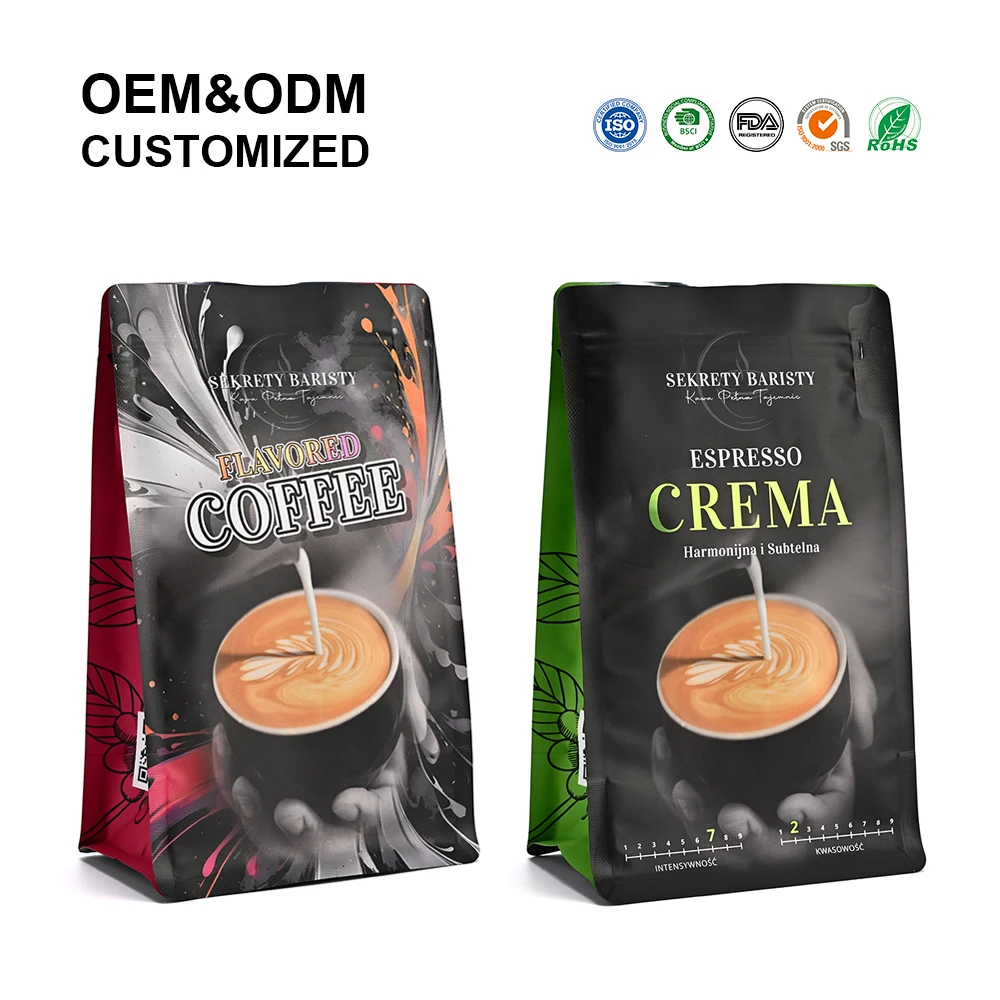
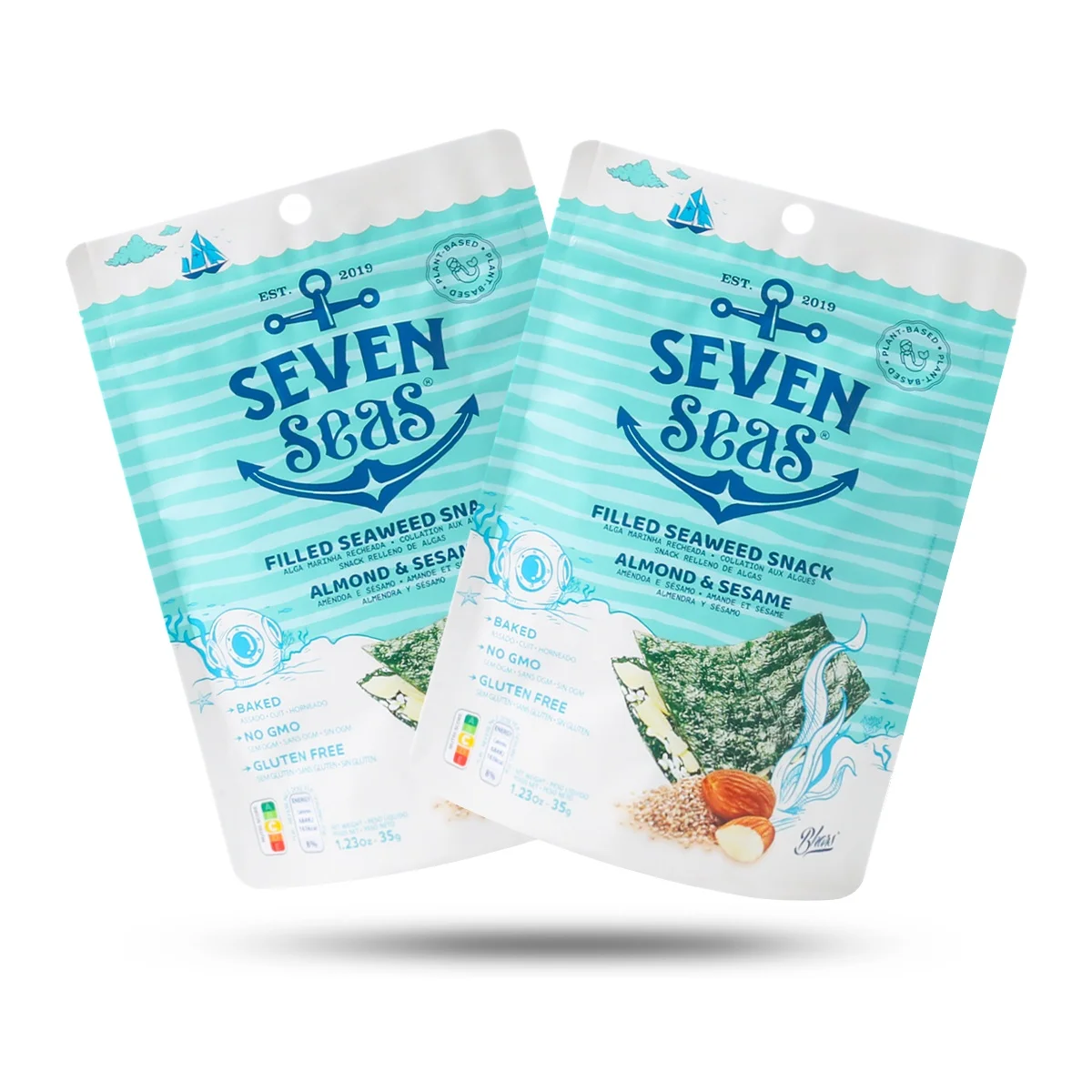
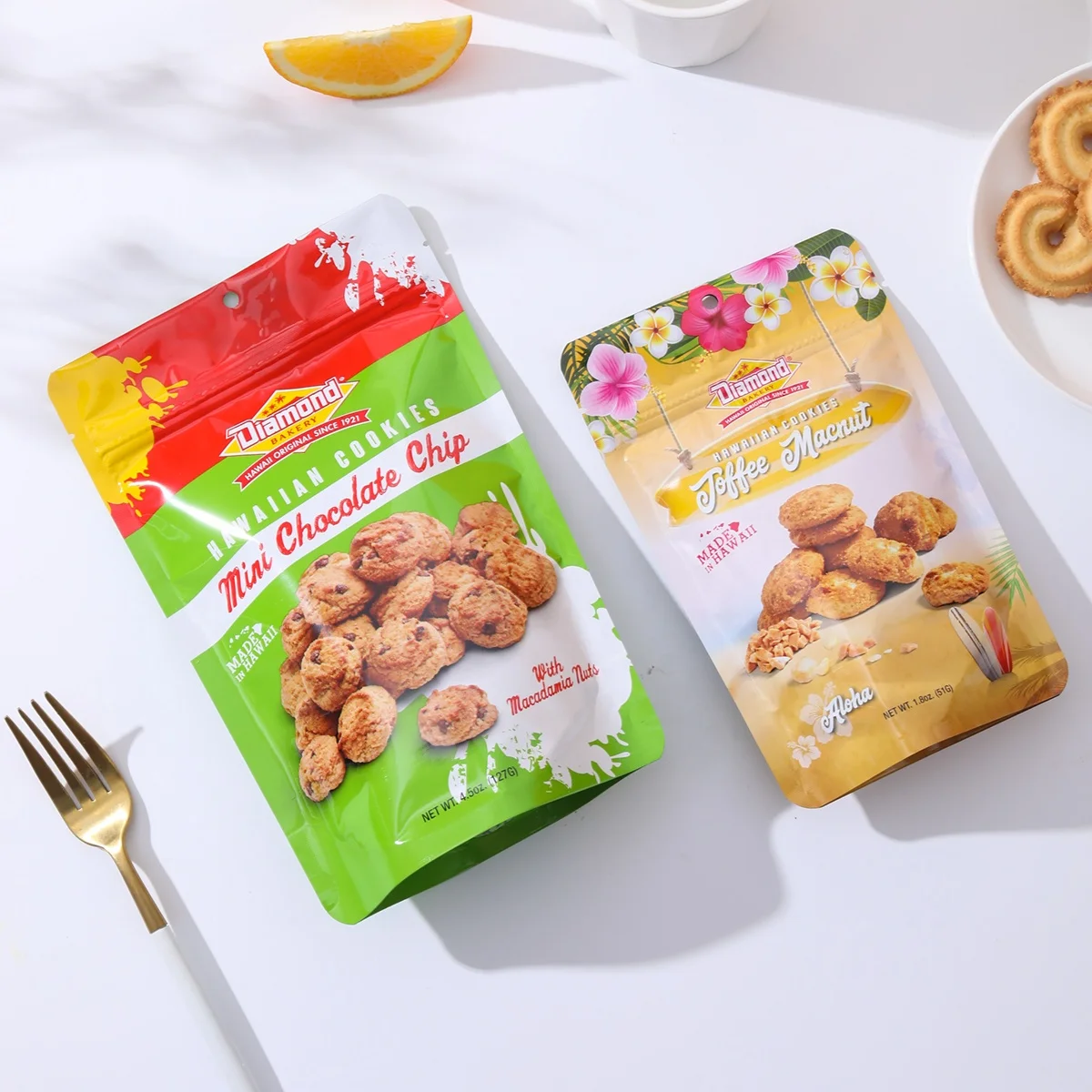
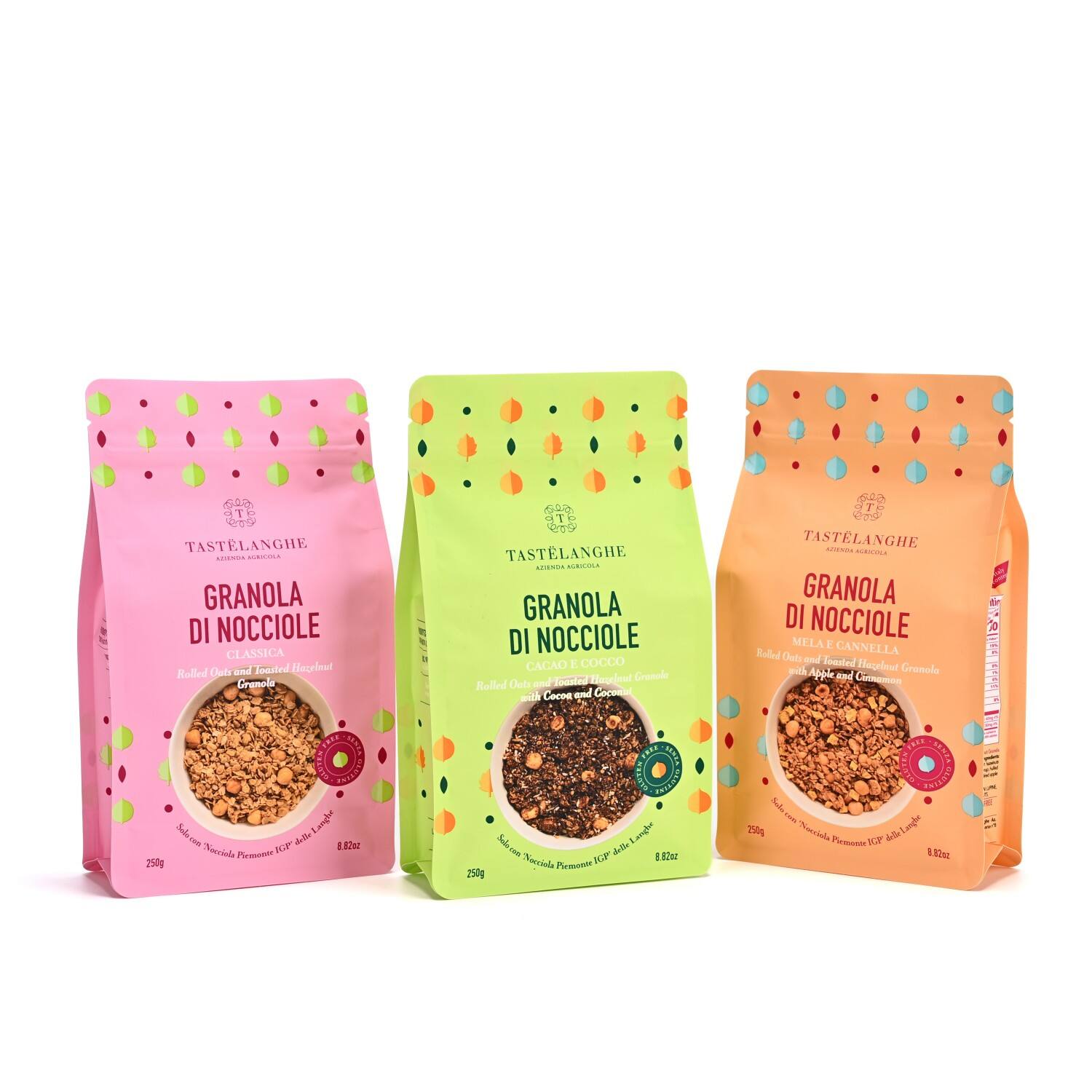
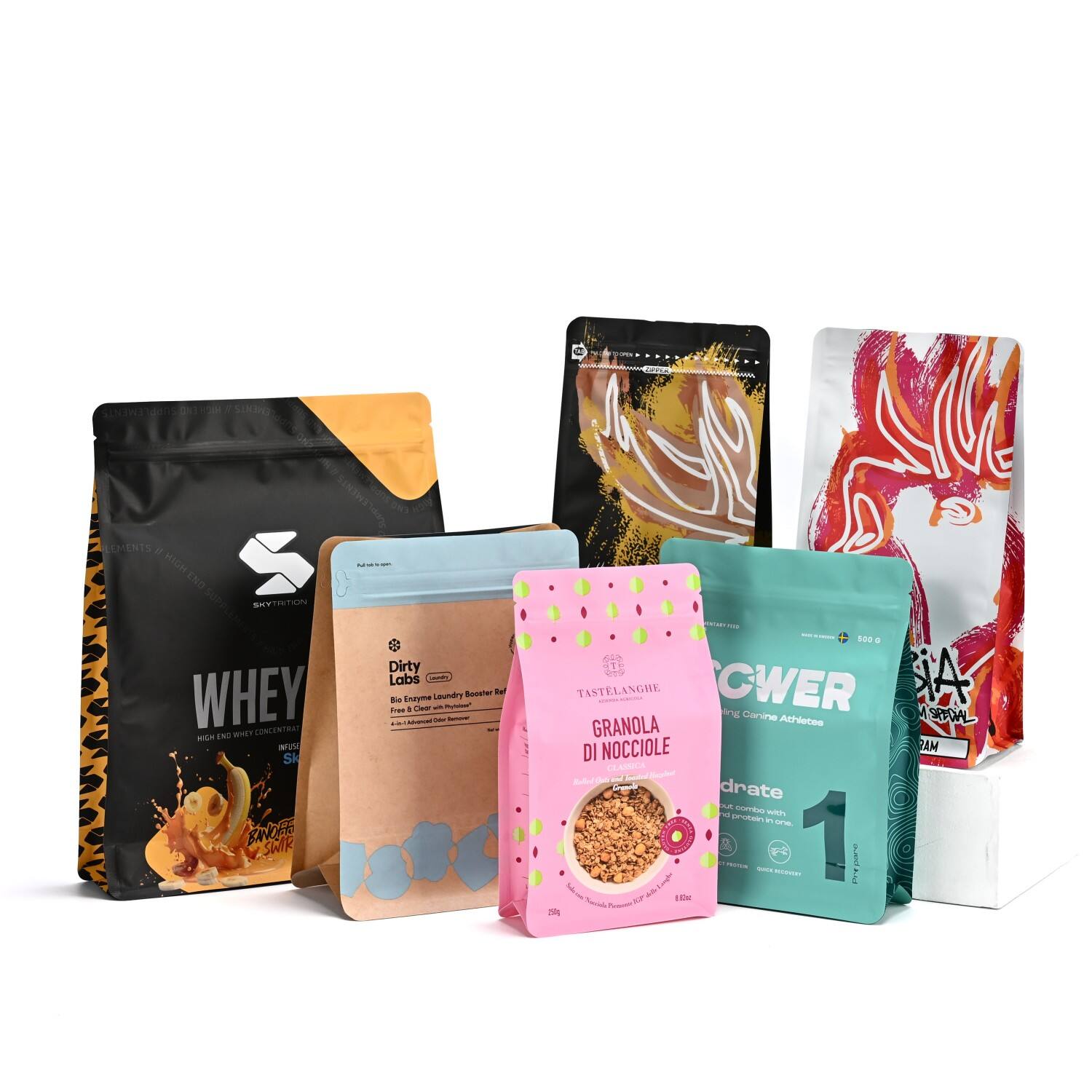
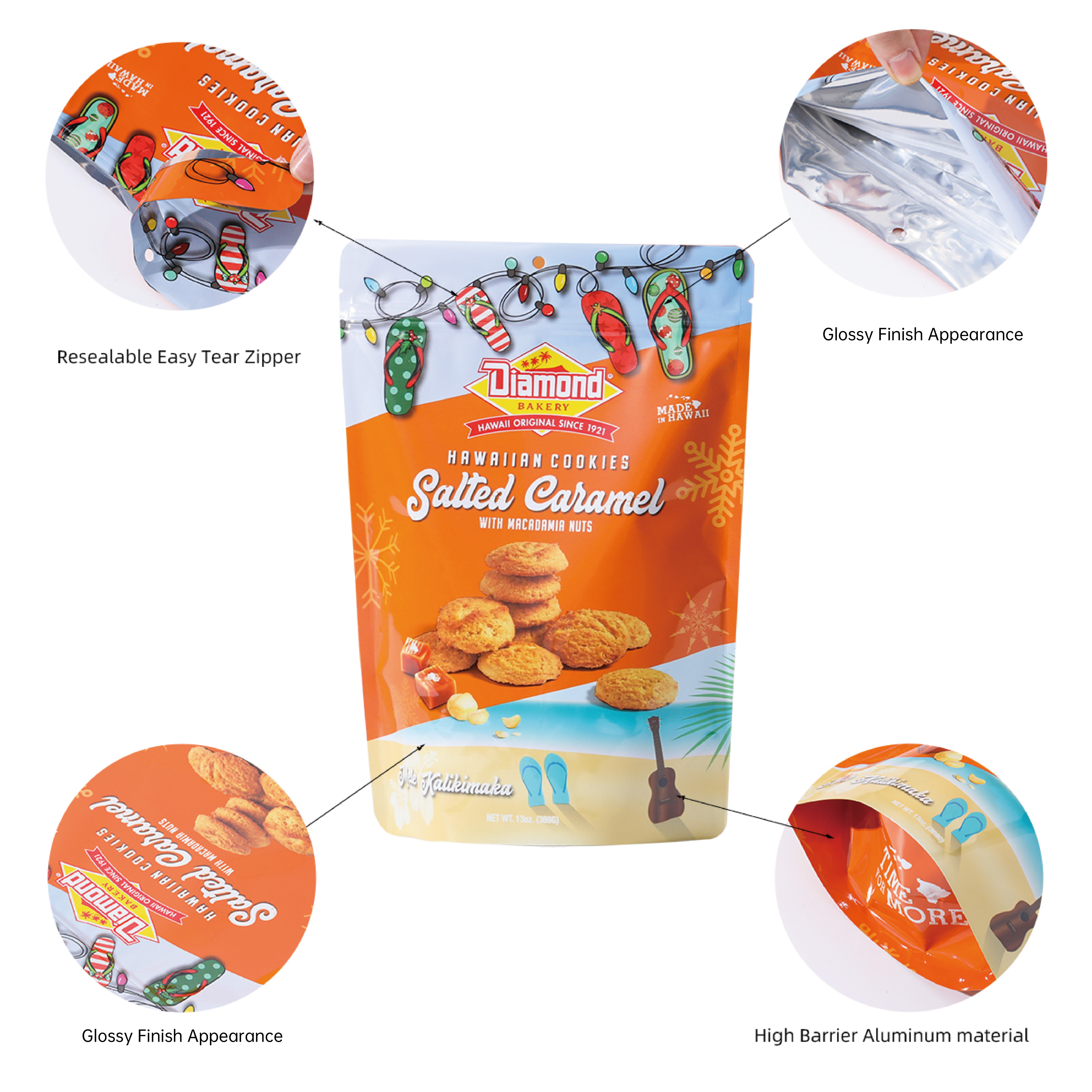
The remarkable versatility of small food bags stems from their adaptable design characteristics that accommodate an extraordinary range of food types, storage conditions, and usage scenarios across residential, commercial, and industrial applications. These bags successfully handle everything from delicate items like fresh herbs and leafy greens to robust products such as nuts, granola, and frozen vegetables, demonstrating their broad applicability across the entire food spectrum. The temperature tolerance built into quality small food bags enables use in freezer applications where temperatures drop below zero degrees Fahrenheit, as well as moderate heating applications for foods that require warming before consumption. This thermal versatility eliminates the need for multiple packaging types, simplifying inventory management while reducing costs for businesses that handle diverse product lines. The size range available in small food bags accommodates everything from individual condiment portions to family-sized snack servings, providing scalability that matches specific application requirements without waste or inefficiency. Food service establishments utilize small food bags for takeout orders, catering portions, and prep work organization, while retail environments depend on them for bulk item portioning, sample distributions, and specialty product packaging. The chemical compatibility of materials used in small food bags ensures safe contact with acidic foods like pickles and citrus products, oily items such as nuts and fried snacks, and alkaline foods without risk of material degradation or flavor transfer. Manufacturing facilities incorporate small food bags into production lines for component separation, finished product packaging, and quality control sample collection, demonstrating their industrial-grade reliability and consistency. The customization options available for small food bags enable businesses to incorporate branding, nutritional information, cooking instructions, or promotional messages directly onto the packaging, transforming functional containers into marketing tools. Educational institutions leverage small food bags for portion-controlled lunch programs, classroom snack distributions, and special event catering where individual servings must be prepared safely and efficiently. Healthcare facilities utilize these bags for dietary programs, medication-related food restrictions, and patient meal components that require separation and identification. The agricultural sector employs small food bags for seed packaging, sample collection, and direct-to-consumer sales of specialty crops where presentation and protection are equally important. Home preservation enthusiasts appreciate small food bags for garden harvest storage, meal prep organization, and seasonal food preservation projects that require flexible, reliable packaging solutions.


 EN
EN